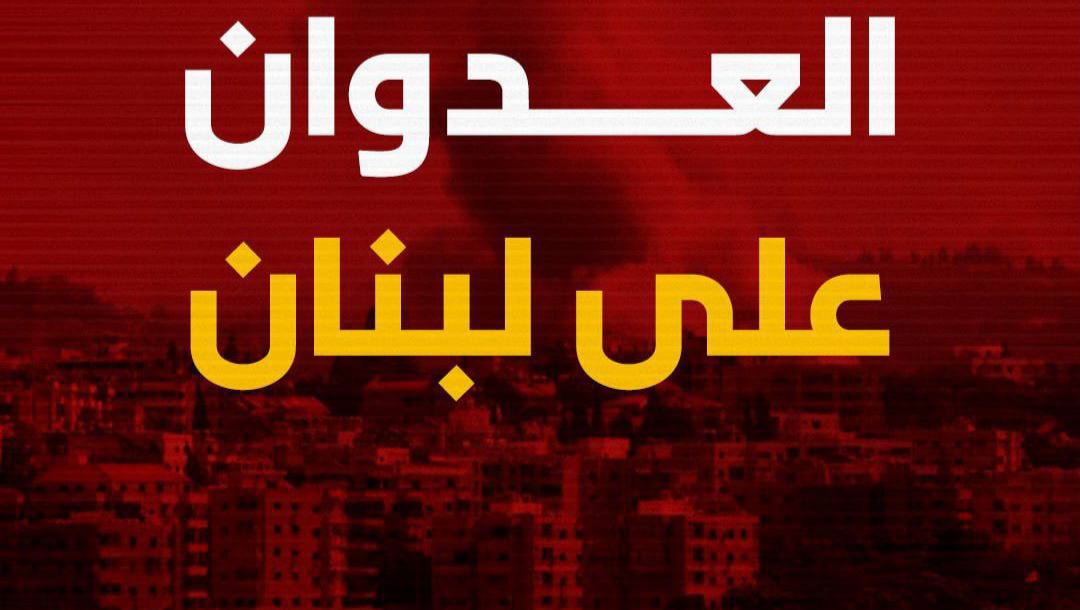
The Lebanese Ministry of Health has announced that Israeli airstrikes on the country have resulted in the deaths of more than 1500 individuals since the war began. This military escalation occurs at a time when Lebanon is suffering from a severe humanitarian crisis, with a noticeable increase in the need for humanitarian assistance.
Reports indicate that the airstrikes have targeted residential and civilian areas, leading to the destruction of numerous homes and infrastructure. Local sources have also reported that the number of injured has exceeded 5000, placing additional pressure on hospitals that are already facing severe resource shortages.
Details of the Ongoing Conflict
Israeli airstrikes on Lebanon continue daily, focusing on areas such as Southern Lebanon and Beirut. Images from the affected regions show massive destruction, with buildings ablaze and residents suffering from acute shortages of food and water.
At the same time, human rights organizations have confirmed that the Israeli attacks violate international humanitarian law, as they deliberately target civilians. These organizations have called on the international community to intervene and stop these violations.
Background & Context
The history of the conflict between Lebanon and Israel spans decades, with the region witnessing numerous wars and disputes. The current escalation comes amid increasing tensions in the area, particularly following recent events in Palestine, which have significantly impacted the security situation in Lebanon.
Lebanon, already grappling with economic and political crises, finds itself in an extremely difficult position. The Lebanese government faces severe criticism for its inability to protect civilians or provide necessary assistance to those affected by the war.
Impact & Consequences
The ramifications of this war will be profound for Lebanon, as it is expected to exacerbate humanitarian and economic crises. Furthermore, the ongoing conflict may lead to mass displacement of populations, increasing pressure on neighboring countries.
On the international front, these events could affect relations between major powers in the region, with expectations of increased pressure on the international community to intervene and halt hostilities.
Regional Significance
The situation in Lebanon has direct implications for neighboring Arab countries, as it could escalate tensions in the region. Additionally, the continuation of the conflict may negatively impact peace efforts in Palestine and intensify conflicts in other areas.
In conclusion, the situation in Lebanon requires urgent attention from the international community. Arab and global nations must work together to de-escalate tensions and provide the necessary humanitarian assistance to those affected.