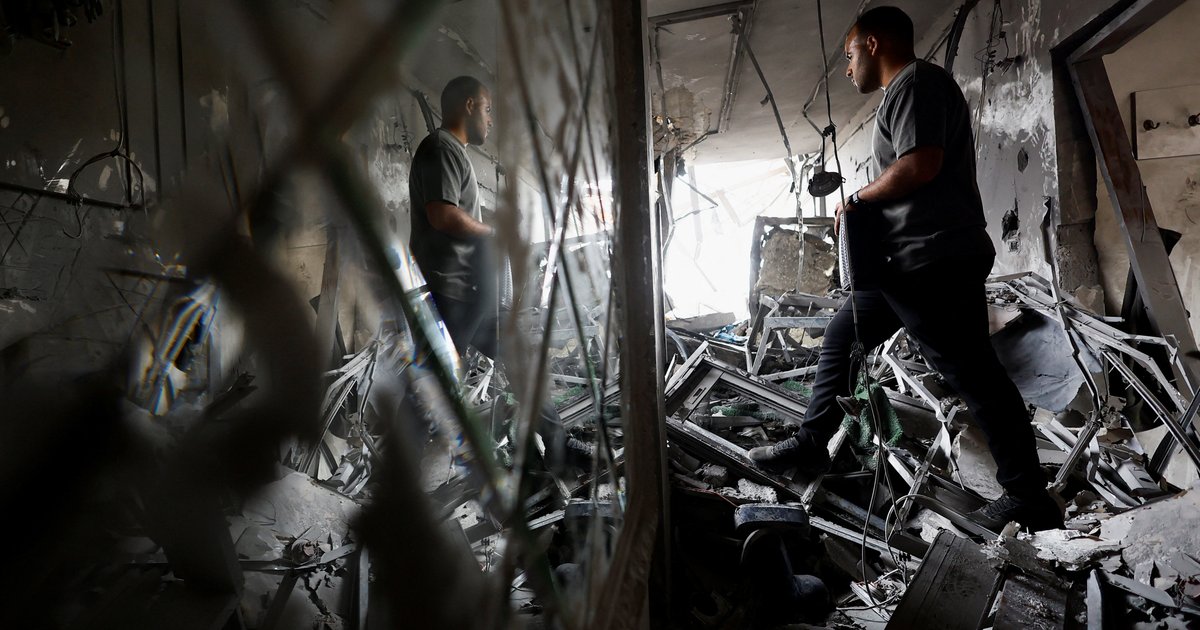
As families in Gaza and Lebanon were gearing up to celebrate Eid al-Adha, their regions were struck by Israeli airstrikes that led to the deaths of numerous civilians. In Gaza, the strikes targeted a residential building in the Al-Rimal neighborhood, resulting in the deaths of six individuals and injuring 20 others, according to sources at Al-Shifa Hospital.
Videos circulated on social media depicted scenes of destruction and panic, as people rushed to search for their loved ones amid the rubble. The Israeli forces confirmed that the strike targeted Mohammed Awda, believed to be a military leader in Hamas's Al-Qassam Brigades, who was killed along with his wife and son in the attack.
Details of the Incident
These airstrikes come at a sensitive time, as Palestinians were preparing to celebrate Eid al-Adha, one of the most significant Islamic holidays. While children were shopping for new clothes and sweets, their joy turned into tragedy as many were injured.
In Lebanon, Israeli forces launched a series of strikes that resulted in the deaths of 31 people and injuries to 40 others, according to the Lebanese Ministry of Health. Since the beginning of March, over 3,200 individuals have been killed in Israeli attacks on Lebanon, raising international concerns about the escalating violence in the region.
Background & Context
Historically, the region has witnessed recurring conflicts between Israel and Palestinian factions, with clashes periodically reigniting. Since October 2025, more than 906 Palestinians have been killed in Gaza, according to the Palestinian Ministry of Health, highlighting the deteriorating humanitarian situation in the area.
These events coincide with widespread international criticism of Israel for its repeated violations of the ceasefire, with many observers considering these airstrikes as part of a systematic policy targeting civilians.
Impact & Consequences
These airstrikes underscore the urgent need for a resolution to the Israeli-Palestinian conflict, as civilians live in a state of constant fear and anxiety. The ongoing violence in the region negatively impacts peace efforts and complicates humanitarian conditions.
Moreover, these events could escalate tensions in the region, threatening the stability of neighboring countries and increasing the suffering of civilians living under dire conditions.
Regional Significance
These events serve as a wake-up call for Arab nations, emphasizing the need to intensify diplomatic efforts to resolve the conflict. The continuation of violence could lead to negative repercussions for security and stability across the entire region.
In conclusion, what is happening in Gaza and Lebanon is a stark reminder that peace remains elusive, and there is an urgent need for action to end this prolonged conflict.