In a new escalation of tensions in the region, Israeli airstrikes have led to the deaths of seven individuals in southern Lebanon, targeting several locations across different areas. The first strike targeted a vehicle in the town of Kfar Rumman, resulting in the deaths of four people, according to the Lebanese National News Agency.
Another strike was recorded in the town of Siddiqin, where one person was killed and another injured, while civil defense teams were working to recover victims from the previous attack. In the Haris area, part of the Bent Jbeil district, a drone strike resulted in the deaths of two more individuals, bringing the total number of casualties to seven.
Details of the Incident
These airstrikes come at a sensitive time marked by increasing tensions in the region, with clashes escalating between Israeli forces and armed groups in Lebanon. The aerial attacks targeting Kfar Rumman, Siddiqin, and Haris reflect an escalation in Israeli military operations, which often target sites believed to be associated with Hezbollah or other armed groups.
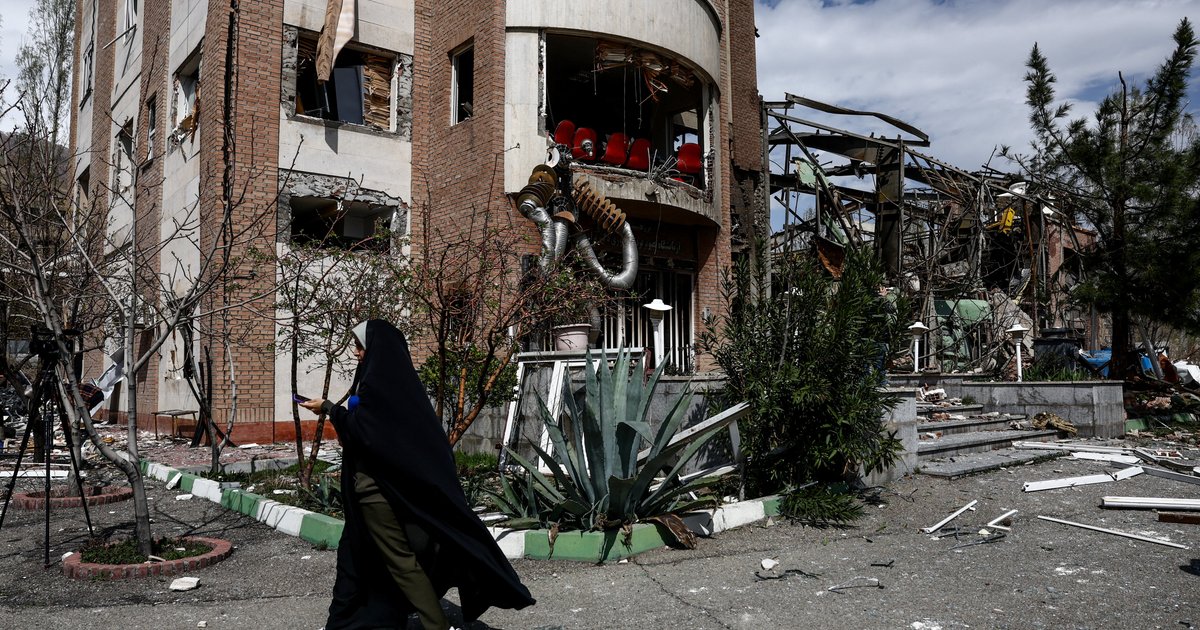
Civilians are paying the price in these conflicts, as affected areas suffer extensive destruction, raising concerns about the humanitarian situation in southern Lebanon. Images circulated on social media have shown the devastation left by the airstrikes, with buildings collapsed and infrastructure damaged.
Background & Context
Historically, the Lebanese-Israeli border has been a theater for clashes and disputes. Since the 2006 war, the region has witnessed numerous tensions, with Hezbollah being a prominent actor in southern Lebanon. The Israeli airstrikes are part of a deterrence policy that Israel employs against any potential threats from Lebanon, complicating the security situation further.
In recent years, tensions have notably escalated, especially with the increase in military activities by Hezbollah, which many observers consider an irregular military force. This military escalation raises fears of a new war that could impact stability across the entire region.
Impact & Consequences
These airstrikes underscore the ongoing tensions between Israel and Hezbollah, placing the region in a state of instability. These events are likely to lead to further escalation in military operations, threatening civilian lives and increasing their suffering.
Moreover, these airstrikes may affect relations between Lebanon and the international community, as many countries are expected to condemn these attacks, potentially leading to diplomatic pressure on Israel. At the same time, Hezbollah may exploit these events to strengthen its internal position, further complicating the political landscape in Lebanon.
Regional Significance
The events in Lebanon hold significant importance for the Arab region, reflecting ongoing tensions between regional powers. These airstrikes could provoke reactions from other Arab countries, complicating regional relations.
Additionally, the situation in Lebanon may affect regional security, as countries like Syria and Jordan could be impacted by waves of displacement or border tensions. It is crucial for Arab nations to remain vigilant regarding these developments and to seek peaceful solutions to conflicts in the region.