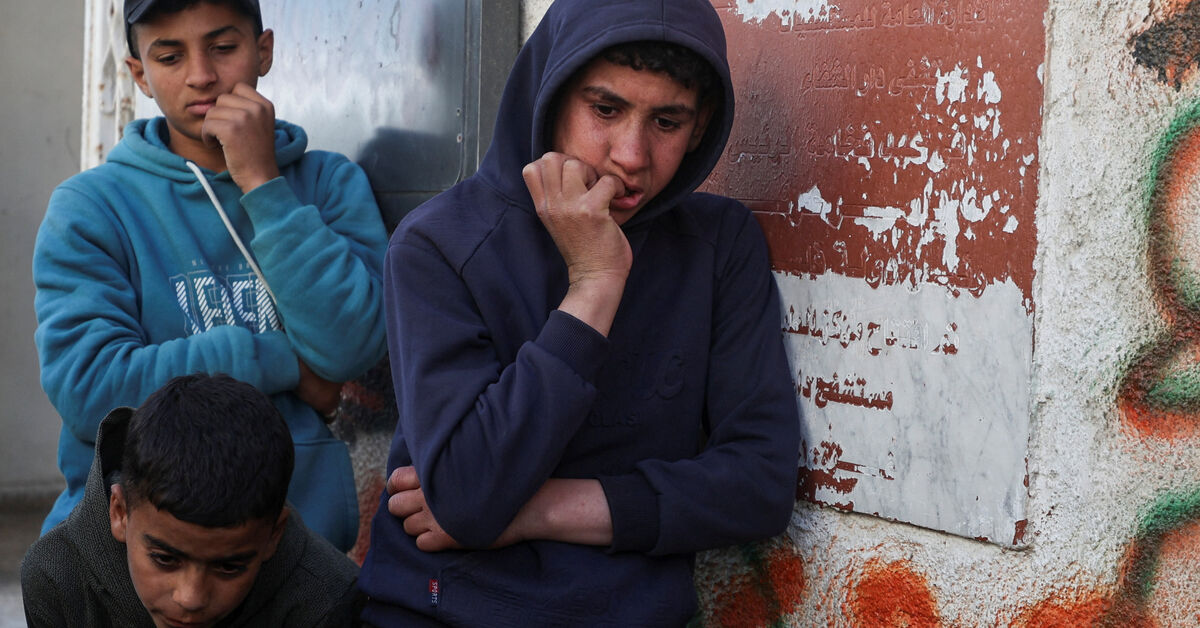
Three Palestinians were killed in Israeli airstrikes on the Gaza Strip on Saturday, with medical sources reporting that one victim died in a strike targeting a vehicle in Khan Younis, while two brothers were killed in another strike in the Shuja'iyya neighborhood east of Gaza City. These incidents occur at a sensitive time, as fears grow over escalating violence in the region despite the ceasefire reached through U.S. mediation more than five months ago.
The airstrikes come amid rising tensions between Palestinians and Israelis, with recent weeks witnessing numerous similar incidents. Palestinian officials have indicated that these attacks represent a blatant violation of the declared ceasefire, raising questions about the effectiveness of international efforts to halt violence in the region.
Details of the Incident
According to medical sources, the first strike targeted a vehicle in Khan Younis, resulting in the death of one man. Meanwhile, the second strike, which occurred in the Shuja'iyya neighborhood, led to the deaths of two adult brothers. These events unfold at a critical juncture, as it was believed that the ceasefire had contributed to reducing violence between the two sides, yet recent events suggest that the situation remains fragile.
On the other hand, Israeli military sources confirmed that the airstrikes targeted armed elements, stating that military operations would continue as long as threats persisted. These statements raise concerns about the potential escalation of military operations in the coming days.
Background & Context
Historically, the Gaza Strip has witnessed escalations in violence between Palestinians and Israelis, with airstrikes and military operations occurring periodically. Since 2007, when Hamas took control of the territory, humanitarian conditions in Gaza have deteriorated significantly, increasing tensions between both sides.
The current ceasefire, reached in October 2022, aimed to alleviate violence, but recent events indicate that conditions remain tense. The United States and other countries have attempted to mediate ceasefire agreements, but these efforts often face difficulties due to mutual distrust between the parties involved.
Impact & Consequences
The recent airstrikes underscore the fragility of the security situation in Gaza, which could lead to further escalation of violence. The continuation of these military operations may exacerbate humanitarian conditions in the territory, where residents suffer from severe shortages of essential resources.
Moreover, these events could impact peace efforts in the region, potentially increasing tensions between Palestinians and Israelis, complicating any future attempts to reach a lasting agreement. International reactions to these airstrikes could be crucial in determining the course of upcoming events.
Regional Significance
The events in Gaza have significant implications for the broader Arab region, raising concerns among Arab nations about the stability of conditions in Palestine. The continuation of violence could lead to heightened tensions in neighboring countries and may contribute to escalating positions between Arab governments and Israel.
Additionally, public reactions in Arab countries may influence diplomatic relations, as protests and demonstrations in solidarity with Palestinians are expected in many Arab cities. These dynamics could affect the domestic and foreign policies of Arab nations, further complicating the situation in the region.