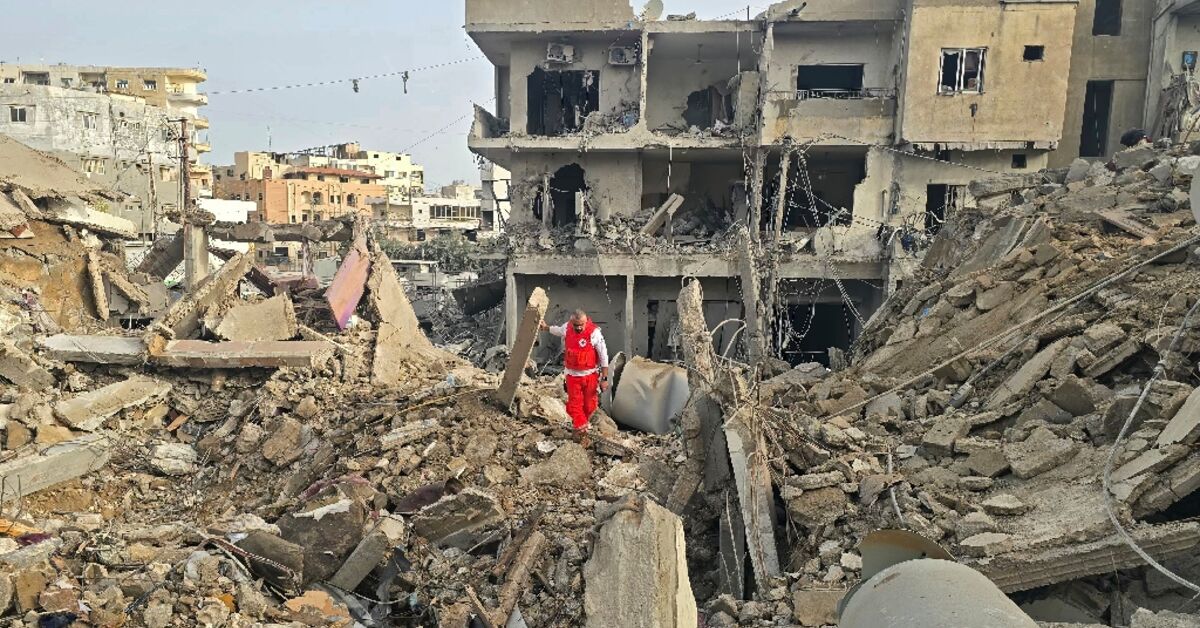
Israeli airstrikes on areas in southern Lebanon on Saturday led to the deaths of two girls and injuries to 40 individuals, as reported by the Lebanese Ministry of Health. At the same time, Israeli forces announced the death of another soldier during ongoing clashes in the region. These events come amid escalating tensions since Hezbollah entered the war in the Middle East alongside its ally Iran on March 2.
The Israeli airstrikes continue to target Lebanese territory, frequently hitting sites believed to be affiliated with Hezbollah. These military operations have exacerbated the humanitarian situation in the area, with residents suffering from the effects of the ongoing conflict.
Details of the Incident
Reports indicate that the Israeli airstrikes targeted residential areas, resulting in the deaths of the two girls and injuries to numerous civilians. This incident is considered one of the deadliest in recent times, with the frequency of attacks increasing since the conflict began. Human rights organizations have expressed grave concern over the targeting of civilians in these operations.
On the other side, Israeli forces reported the death of a soldier during clashes with Hezbollah fighters, reflecting the intensifying nature of the battles in the region. These casualties are indicative of the rising tensions between the two sides, as each seeks to achieve its military objectives.
Background & Context
Historically, the relationship between Israel and Lebanon has been marked by ongoing tensions, especially since the 2006 war that resulted in widespread destruction in Lebanon. Since then, there have been multiple attempts to achieve peace; however, armed conflicts continue to recur, complicating the situation in the region.
Hezbollah entered the war in the Middle East on March 2, altering the dynamics of the conflict. Hezbollah is known as an Iranian-backed group, recognized for its capability to conduct complex military operations against Israel. This intervention may further complicate the security situation in Lebanon and lead to greater escalation in the conflict.
Impact & Consequences
These events underscore the tragic humanitarian impact of the ongoing conflict, with civilians bearing the brunt of the war's consequences. Reports indicate that the humanitarian situation in Lebanon has significantly deteriorated, with increasing numbers of displaced individuals and casualties. The continued Israeli airstrikes may exacerbate the economic and social conditions in the country.
From a military perspective, these developments could lead to further escalation in the conflict, as each party strives to gain ground. Additionally, Iranian involvement in the conflict may complicate matters, threatening stability across the entire region.
Regional Significance
These events are part of a broader regional conflict that encompasses several countries in the Middle East. Regional security is significantly affected by these disputes, with rising fears of violence spilling over into neighboring countries. Furthermore, the situation in Lebanon could impact relations between Arab states and Israel, complicating peace efforts in the region.
In conclusion, these events highlight the urgent need for peaceful solutions to the conflict, as civilians suffer from the ongoing effects of war. The current situation requires an immediate international response to protect civilians and achieve stability in the region.