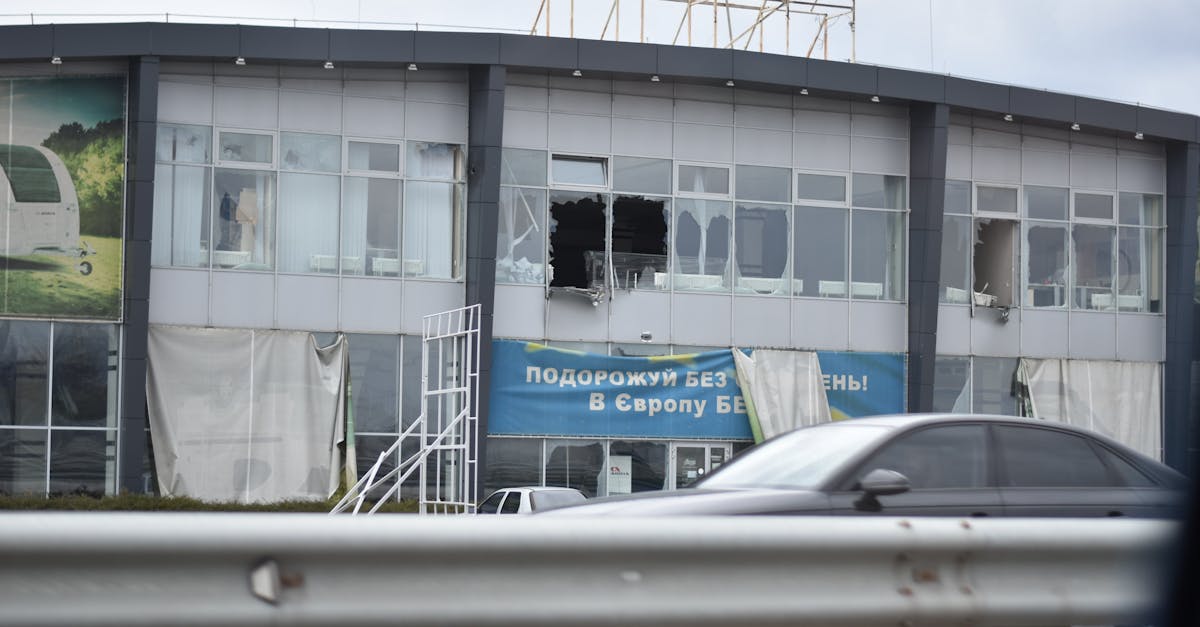
On Wednesday, the Israeli occupation forces carried out a series of airstrikes and artillery shelling on several towns in southern and eastern Lebanon, resulting in casualties and extensive property damage.
The Lebanese news agency reported that Israeli warplanes targeted the towns of al-Ghandouriya, Kafra, Hanin, Srifa, and al-Marwaniya, where these areas witnessed an unprecedented escalation in Israeli military operations.
Details of the Incident
The Israeli escalation also included targeting the area between Houmine al-Tahta and Bani Afoul, where four airstrikes were carried out, leading to the destruction of numerous homes and infrastructure. Images circulated on social media showed the massive destruction left by these airstrikes, provoking widespread outrage in local and international circles.
These attacks come at a time when Lebanon is suffering from a severe economic crisis, exacerbating the hardships faced by citizens living under difficult conditions. Eyewitnesses reported that the artillery shelling was intense, causing panic among the civilian population.
Background & Context
Historically, the Lebanese-Israeli border has witnessed increasing tensions, especially following the recent conflict in 2006. Since then, bombardments and airstrikes have recurred, raising fears of a new conflict in the region. Additionally, the political situation in Lebanon, which is plagued by internal divisions, complicates the landscape further.
These events coincide with rising tensions in the region, as Israel seeks to bolster its security along the northern border, while Lebanon faces multiple challenges related to political and economic stability. These conditions have exacerbated the humanitarian situation in Lebanon, where many citizens live below the poverty line.
Impact & Consequences
These airstrikes could lead to greater military escalation between the two sides, threatening to ignite a full-scale conflict in the region. Furthermore, the continuation of these attacks may adversely affect peace and stability efforts in Lebanon, increasing the suffering of civilians who are already grappling with economic and social crises.
Moreover, these events could provoke international reactions, as some countries are likely to condemn these attacks and call for a cessation of hostilities. These developments may impact Israel's relations with Arab states, especially amid ongoing normalization attempts in the region.
Regional Significance
The ongoing events in Lebanon serve as an indicator of the persistent tensions in the Middle East, where political and economic crises intersect with military conflicts. These events may contribute to heightened tensions between Arab states and Israel, hindering peace and stability efforts in the region.
Additionally, the situation in Lebanon could affect neighboring countries, as an influx of refugees or escalating violence could destabilize neighboring nations such as Syria and Jordan. Therefore, the international community is urged to intervene urgently to halt the escalation and protect civilians.
In conclusion, the situation in Lebanon remains tense, and citizens urgently need support to face the challenges they encounter. The ongoing bombardment and Israeli assaults could exacerbate humanitarian crises, necessitating an effective international response.