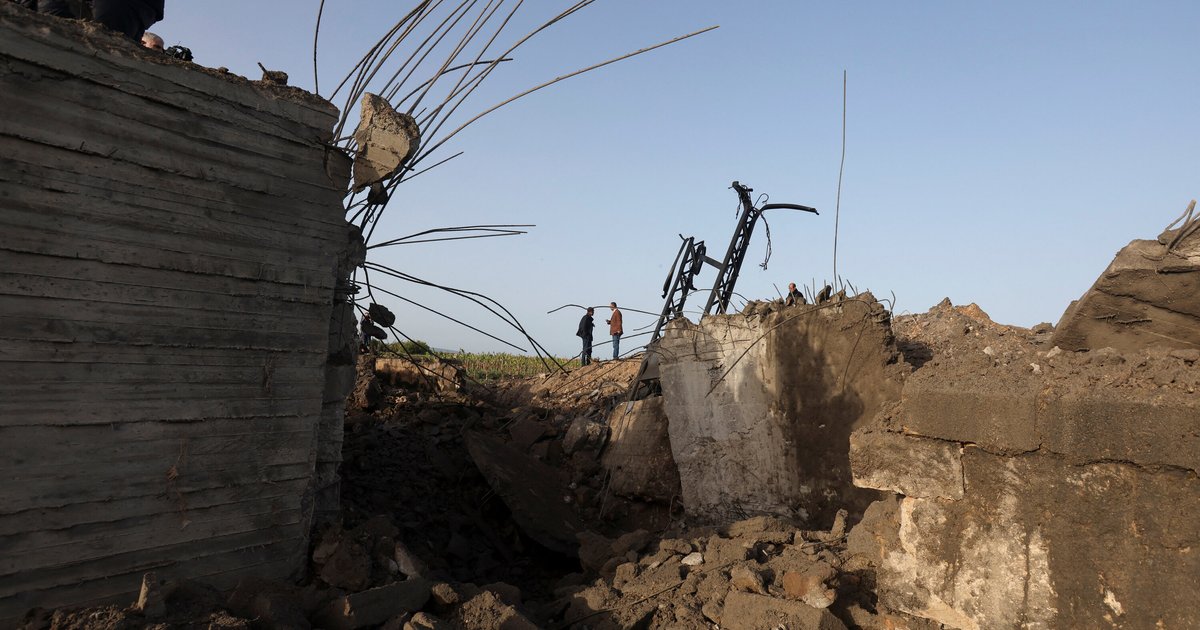
The Lebanese Ministry of Health has announced that the death toll from Israeli airstrikes on Lebanon since the start of the conflict with Hezbollah on March 2, 2023, has exceeded 1200 fatalities, with the numbers rising to 1238 by March 29. Among these, 52 are medics and healthcare workers, and 124 are children, reflecting the scale of the humanitarian tragedy the country is enduring.
These figures come at a time when Lebanese regions are experiencing unprecedented military escalation, as airstrikes continue across many areas, exacerbating civilian suffering and complicating the humanitarian situation in the country.
Details of the Incident
The Israeli airstrikes on Lebanon have seen a notable increase since the beginning of March, targeting residential areas and vital facilities, leading to the destruction of numerous homes and infrastructure. The Ministry of Health has confirmed that the numbers are continuously rising, as search and rescue operations continue in the affected areas.
The statement also noted that the number of fatalities among children and women has significantly increased, raising concerns about the psychological and social impact on Lebanese families. The healthcare sector is under immense pressure due to the rising number of injured, with hospitals facing severe shortages of equipment and resources.
Background & Context
Historically, Lebanon has witnessed multiple conflicts with Israel, but the current situation is considered one of the most severe in years. The recent conflict stems from escalating tensions between Hezbollah and Israel, with both sides exchanging accusations of inciting violence. These tensions have led to military confrontations, significantly affecting civilian lives.
It is worth noting that Lebanon is already suffering from a crippling economic crisis, making the humanitarian situation even more complex. The economic and social conditions in the country worsened following the devastating explosion at the Beirut port in 2020, which led to a decline in living standards.
Impact & Consequences
Reports indicate that the continuation of Israeli airstrikes will exacerbate the humanitarian situation in Lebanon, with an expected rise in the number of displaced persons and refugees. Additionally, the psychological effects on children and women will be profound, necessitating urgent intervention from humanitarian organizations.
Furthermore, the escalation of violence could destabilize the entire region, with fears that the conflict may extend to neighboring countries, complicating security and political conditions.
Regional Significance
The situation in Lebanon exemplifies the humanitarian crises faced by many Arab countries. With increasing armed conflicts and economic crises, citizens in the region face significant challenges in achieving security and stability. The conditions in Lebanon may also impact relations between Arab states, as international pressures for peaceful solutions are expected to rise.
In conclusion, hope remains pinned on the international community to play its role in ending the conflict and providing necessary humanitarian aid to affected civilians. The rising numbers of fatalities and injuries reflect a humanitarian tragedy that requires urgent response.