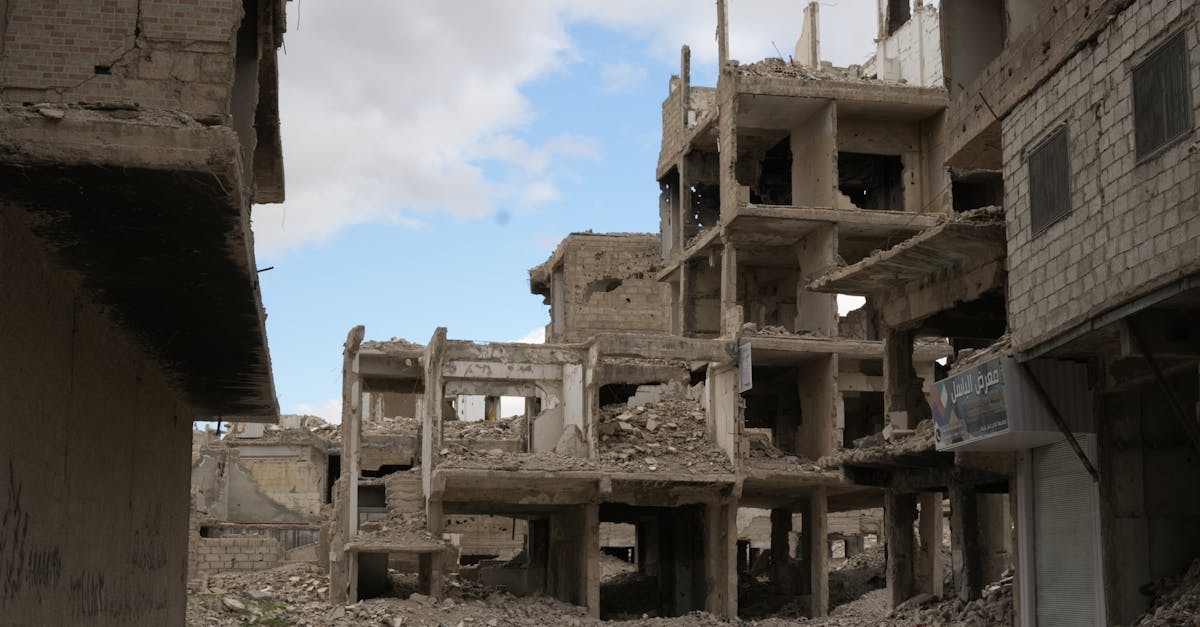
Israeli airstrikes targeting areas in Lebanon have resulted in the deaths of 14 individuals and injuries to 25 others, marking a new escalation in regional tensions. These events occur at a sensitive time, raising fears of a larger conflict.
The Israeli attacks on Lebanon are part of ongoing military operations, targeting sites believed to be affiliated with Hezbollah. These airstrikes have provoked angry reactions from the Lebanese government, which condemned these actions as violations of Lebanese sovereignty.
Details of the Incident
In the early hours of the morning, Israeli warplanes launched strikes on several areas in Lebanon, causing widespread destruction to property and infrastructure. The strikes specifically targeted regions near the Lebanese-Israeli border, where military activities of Hezbollah are believed to be taking place.
These airstrikes follow a series of escalating tensions between Israel and Hezbollah, with both sides exchanging accusations of inciting violence. Reports indicate that the strikes resulted in significant damage to buildings and public facilities, exacerbating the suffering of local residents.
Background & Context
Historically, Lebanese-Israeli relations have been marked by ongoing tensions, especially since the 2006 war. Since then, the border between the two countries has become a hot zone, with repeated clashes and airstrikes. Hezbollah, considered one of the prominent armed factions in Lebanon, receives support from Iran and is viewed as a constant threat to Israel.
In recent years, Israeli attacks on Lebanon have intensified as part of what Tel Aviv describes as efforts to prevent Hezbollah from gaining military capabilities. The situation remains precarious, with fears of further escalation looming over the region.
Impact & Consequences
The humanitarian impact of these airstrikes is severe, leading to widespread destruction and increasing the hardships faced by local populations. The casualties and damage to infrastructure raise urgent questions about the humanitarian situation in Lebanon.
Moreover, the escalation of violence may provoke military responses from Hezbollah, potentially leading to a cycle of retaliation that could destabilize the region further. The international community is urged to pay attention to the deteriorating conditions in Lebanon and the implications for regional stability.
Regional Significance
These events highlight the rising tensions in the Middle East, where fears of a larger conflict are growing. The situation reflects the deteriorating humanitarian conditions in Lebanon, necessitating international attention and intervention.
As the conflict continues, the potential for broader regional implications increases, with various stakeholders closely monitoring developments. The need for diplomatic solutions becomes more pressing as the cycle of violence threatens to engulf neighboring areas.