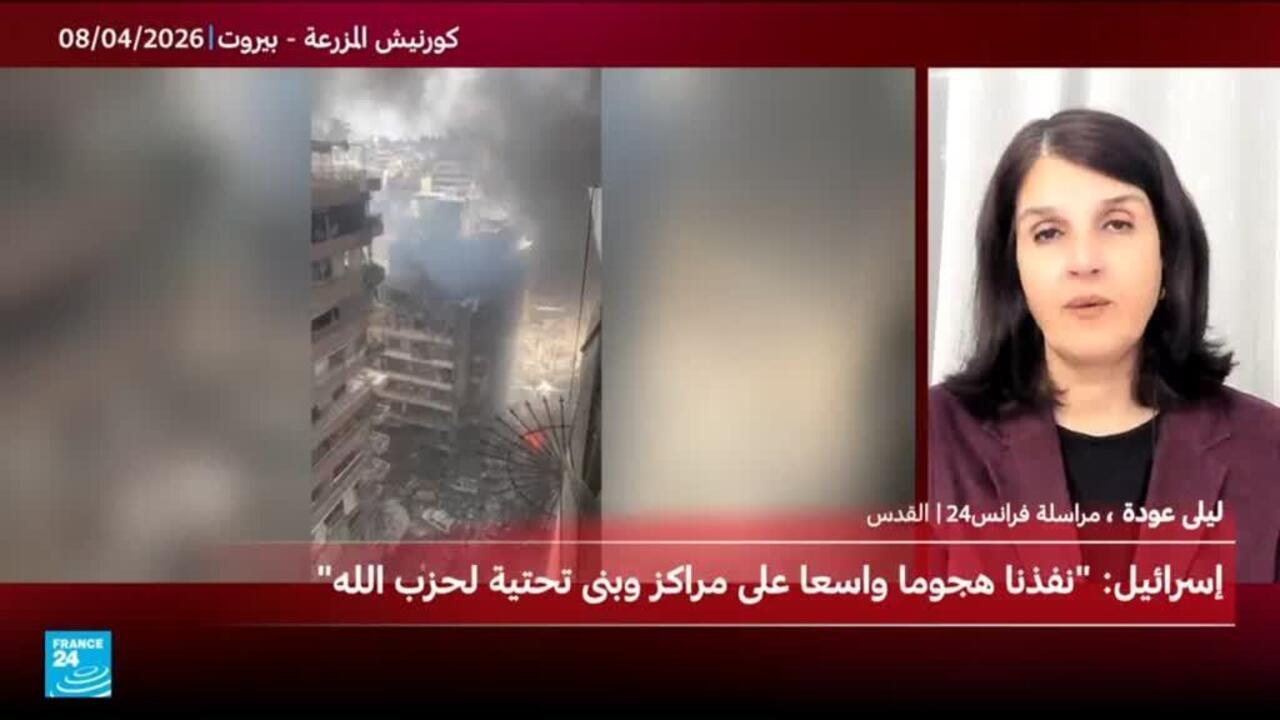
The Lebanese Ministry of Health reported that Israeli airstrikes launched on Wednesday against Lebanese territory resulted in dozens of deaths and hundreds of injuries. These attacks come at a sensitive time, as tensions in the region escalate, raising concerns about the humanitarian situation in Lebanon.
Israeli Defense Minister Yoav Gallant confirmed in a video statement that the Israeli army executed a surprise attack targeting "hundreds" of Hezbollah members, noting that this strike is considered the most severe since the Beirut Operation that took place in September 2024. Gallant explained that the attacks targeted the party's command centers across Lebanon, reflecting an Israeli strategy aimed at undermining the military capabilities of Hezbollah.
Details of the Incident
The Israeli attacks followed a series of escalating tensions between Lebanon and Israel, where the border between the two countries has seen an increase in military operations. The airstrikes targeted multiple areas, leading to widespread destruction of infrastructure. Lebanese authorities confirmed that the death toll exceeded dozens, while reports indicate that the number of injured could reach hundreds, exacerbating the suffering of civilians amid the difficult economic conditions faced by Lebanon.
As military operations escalate, international calls for de-escalation continue. The United Nations expressed concern over the rising violence, urging all parties to exercise restraint and avoid escalation that could worsen the humanitarian situation in the region.
Background & Context
Historically, Lebanese-Israeli relations have been marked by ongoing tensions, with numerous armed conflicts between the two sides. Hezbollah, which is considered a political and military force in Lebanon, faces significant challenges amid increasing Israeli pressures. Since 2006, when the Second Lebanon War broke out, military operations from both sides have not ceased, leading to a worsening humanitarian situation in Lebanon.
These airstrikes occur within a broader context of regional conflicts, as Israel seeks to undermine Iran's influence in the area, primarily represented by its support for Hezbollah. This military escalation could have significant implications for regional stability, with growing fears of an outbreak of a comprehensive war that could affect neighboring countries.
Impact & Consequences
The consequences of these airstrikes could be far-reaching, as they are expected to lead to a new escalation in the conflict between Lebanon and Israel. Additionally, the humanitarian situation in Lebanon may deteriorate further, compounding the suffering of civilians who are already grappling with a severe economic crisis.
Politically, these attacks may bolster Hezbollah's internal position, as the party could exploit these events to affirm its legitimacy as a resistance force against occupation. Conversely, the Lebanese government may seek to take diplomatic steps to ease tensions with Israel, but this could be challenging under the current circumstances.
Regional Significance
This military escalation has direct implications for neighboring Arab countries, as fears of a refugee influx into neighboring states such as Syria and Jordan increase. The deteriorating security situation in Lebanon could also affect stability across the entire region, raising concerns among Arab nations striving for regional stability.
In conclusion, recent events reflect escalating tensions in the region, necessitating serious international action to mitigate escalation and ensure the protection of civilians. The situation in Lebanon requires urgent attention, as the continuation of violence could lead to catastrophic outcomes for the Lebanese people and the region as a whole.