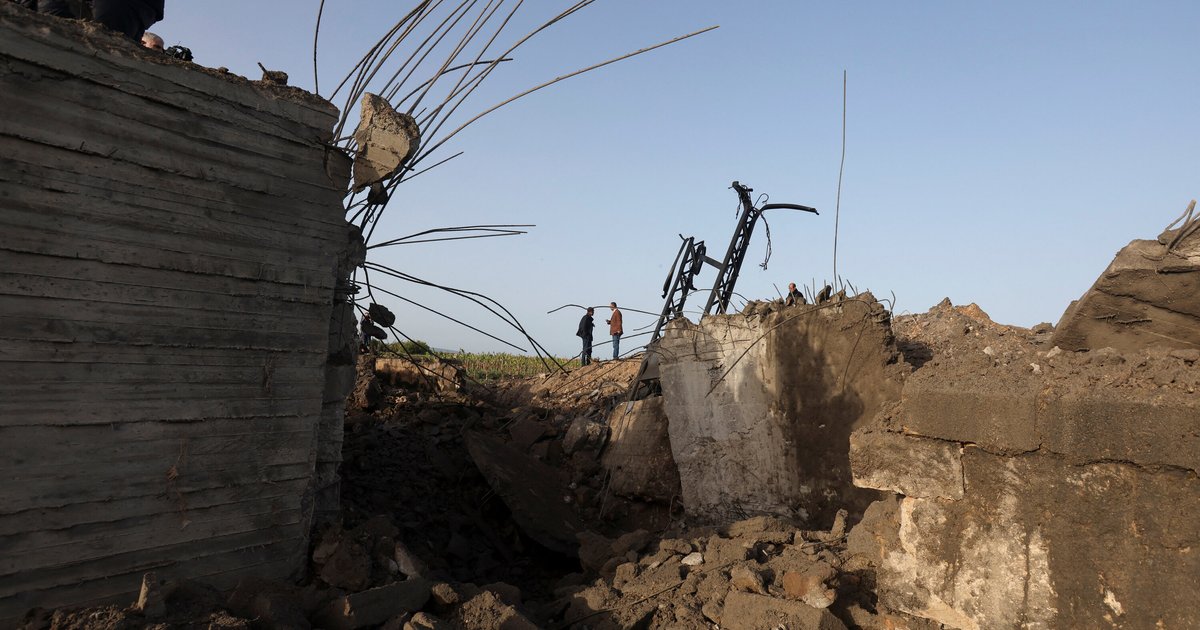
Since dawn on Saturday, Israel has conducted air and artillery strikes on 42 towns and cities across Lebanon, leading to the martyrdom of 7 individuals, including a paramedic, and injuring 29 others as of 10:20 UTC. The attacks, which have particularly focused on southern Lebanon, are part of an escalating military escalation in the region.
The Lebanese National News Agency reported that the Israeli occupation forces carried out airstrikes on the cities of Nabatieh and Bint Jbeil, in addition to other areas in the south. This escalation comes amid increasing tensions between Israel and Hezbollah, with repeated clashes occurring along the border between the two countries in recent weeks.
Details of the Incident
The Israeli strikes targeted civilian areas, raising international concerns about the rising violence in Lebanon. Testimonies from local residents indicate that the bombardment was indiscriminate, resulting in the destruction of numerous homes and infrastructure. Furthermore, the attacks coincided with warnings from the United Nations regarding the deteriorating humanitarian conditions in Lebanon.
Earlier, there had been calls from the international community to cease hostilities, but the Israeli military escalation reflects the ongoing instability in the region. Additionally, the political and economic pressures in Lebanon have been exacerbated by these events, increasing the suffering of its citizens.
Background & Context
Historically, the Lebanese-Israeli border has witnessed repeated tensions, especially since the 2006 war. Since then, there have been numerous attempts to achieve peace, but security conditions remain fragile. Hezbollah, which is considered a military and political force in Lebanon, faces significant challenges amid ongoing Israeli pressures.
The economic crisis in Lebanon, which has worsened since 2019, has made the situation more complex. Many Lebanese live below the poverty line, increasing public discontent towards the government and political factions. The recent Israeli attacks come at a sensitive time as Lebanon seeks to recover from its multiple crises.
Impact & Consequences
The Israeli military escalation could exacerbate the humanitarian situation in Lebanon, where residents are suffering from severe shortages of basic resources. Additionally, the attacks may increase tensions between Hezbollah and Israel, potentially dragging the region into a wider conflict.
The international community is closely monitoring the situation, as these events may lead to new diplomatic interventions. At the same time, the continuation of attacks could place Lebanon in the face of greater challenges, including repercussions for regional security.
Regional Significance
The events in Lebanon have wide-ranging implications for the Arab region. The escalation of violence could reignite old conflicts and deepen divisions among Arab states. Moreover, the situation in Lebanon may affect relations between Arab countries and Israel, especially in light of the normalization attempts witnessed in recent years.
In conclusion, the situation in Lebanon remains complex, with political, economic, and security dimensions intertwined. It is crucial for the international community to unite in supporting Lebanon during these difficult times and to work towards achieving peace and stability in the region.