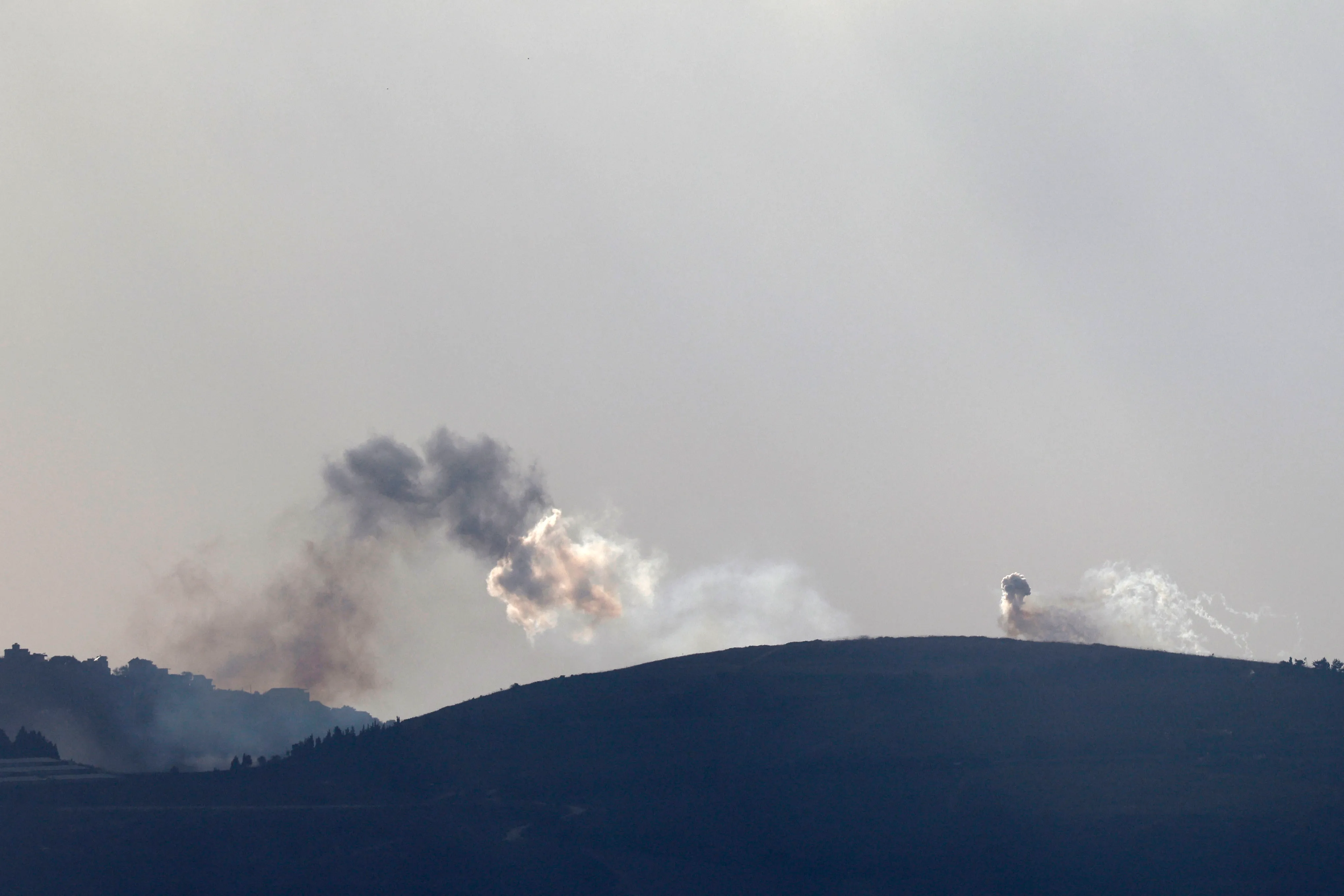
The Israeli Chief of Staff, General Herzi Halevi, has affirmed that Israeli forces will continue to target Hezbollah in Lebanon, stating that airstrikes will not stop until the defined goals are achieved. These remarks come at a sensitive time when the region is witnessing a notable escalation in military actions.
During a press conference, Halevi explained that the Israeli army is closely monitoring Hezbollah's movements and is conducting preemptive operations to ensure the security of Israel's northern borders. He also noted that any threats issued by the group will be met with strong responses from the Israeli military.
Details of the Situation
The Chief of Staff's statements are part of a broader Israeli strategy to confront security threats from the Lebanese front. In recent weeks, a series of airstrikes targeting Hezbollah positions have occurred, provoking varied reactions in political and military circles.
Halevi added that the military operations aim to undermine Hezbollah's ability to carry out any attacks against Israel, emphasizing that the Israeli army possesses the capability to deliver precise and impactful strikes. He confirmed that these operations will continue as long as threats persist.
Background & Context
Historically, relations between Israel and Hezbollah have been marked by ongoing tension since the 2006 war. Since then, skirmishes and military operations between the two sides have continued, leading to a persistent escalation in the region. Hezbollah, regarded as one of the prominent armed factions in Lebanon, receives support from Iran, complicating the conflict further.
In recent years, tensions have significantly increased due to events in Syria, where Hezbollah has intervened directly to support the Syrian regime. This intervention has heightened Israeli concerns regarding the enhancement of Hezbollah's military capabilities, prompting preemptive actions.
Impact & Consequences
Halevi's statements underscore Israel's determination to confront any threats from Hezbollah, which could lead to greater escalation in military actions. This dynamic may affect the stability of Lebanon, which is already grappling with economic and political crises.
Moreover, the continuation of Israeli airstrikes could provoke reactions from Hezbollah, increasing the likelihood of a widespread conflict in the region. Should this occur, the consequences would be severe for civilians in both Lebanon and Israel.
Regional Significance
These statements signal the ongoing conflict in the region, with many Arab countries closely monitoring developments. Such events may impact relations between Arab nations and Israel, especially amidst normalization attempts by some countries.
Ultimately, the situation in Lebanon and Israel remains complex and requires comprehensive political solutions to ensure regional stability. Military escalation will only exacerbate humanitarian and political conditions in the area.