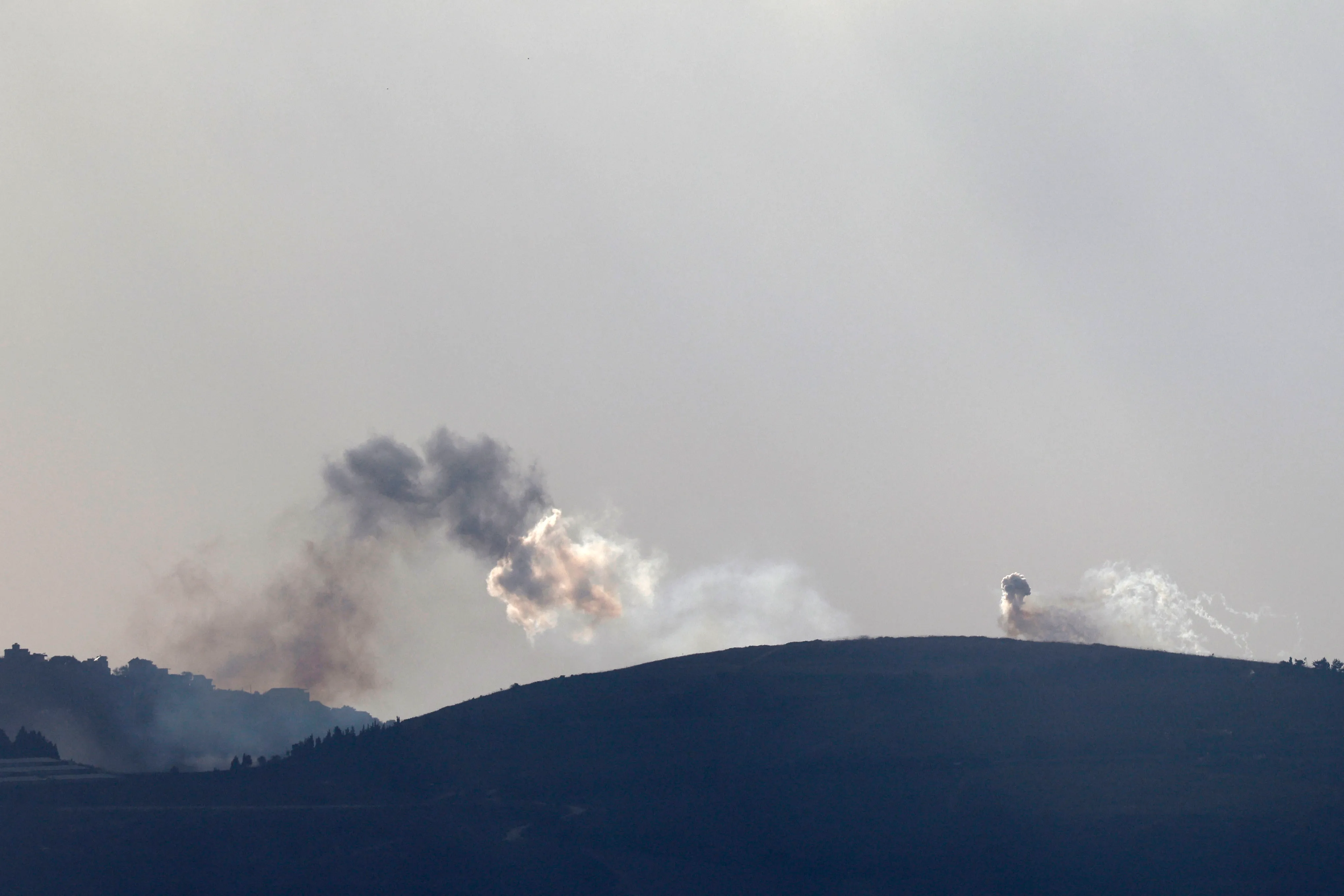
Renewed Israeli airstrikes on Lebanon have led to a number of casualties, causing growing concern among local and international communities. This escalation comes as Hezbollah persists in responding to these aggressions, further heightening tensions in the area.
These events coincide with rising tensions in the Middle East, where the Israeli occupation seeks to assert control over the Lebanese border. Local sources have confirmed that the airstrikes targeted residential and civilian areas, resulting in injuries among civilians.
Details of the Incident
In recent hours, Israeli warplanes have launched strikes on several areas in Lebanon, resulting in multiple casualties. Reports indicate that the airstrikes targeted sites believed to be affiliated with Hezbollah, prompting the group to retaliate by launching rockets at Israeli positions.
These developments occur during a sensitive time, as the region is engulfed in tension due to ongoing events. Hezbollah has declared that it will continue to respond to any aggressions, intensifying the existing conflict.
Background & Context
Historically, the Lebanese-Israeli border has experienced ongoing tensions, with several rounds of conflict between the two parties. The conflict dates back decades, as the Israeli occupation seeks to impose control over Lebanese territory, while Hezbollah rejects this occupation and views it as an infringement on Lebanon's sovereignty.
In recent years, the intensity of clashes between both sides has escalated, resulting in numerous casualties. Hezbollah is considered a major force in Lebanon, playing a significant role in resisting the Israeli occupation, which makes it a constant target for Israeli airstrikes.
Impact & Consequences
Recent developments suggest that military escalation could exacerbate the situation in the region. As airstrikes and retaliations continue, the situation may escalate further, threatening security and stability in Lebanon and neighboring countries.
Moreover, these airstrikes could impact relations between Lebanon and other countries, as some nations may call for intervention or take a firm stance against the Israeli occupation. The international community views these events as a challenge to regional security, necessitating urgent action.
Regional Significance
The ongoing events in Lebanon are part of the larger picture of the Arab-Israeli conflict, which directly affects Arab nations. With rising tensions, relations between Arab countries and Israel may be impacted, increasing polarization in the region.
Additionally, these events could lead to increased popular support for Hezbollah in Lebanon, strengthening its position in the political arena. At the same time, they may provoke negative reactions from some Arab countries seeking to improve relations with Israel.
In conclusion, the situation in Lebanon remains under scrutiny, with observers expecting continued airstrikes and responses, complicating the political and security landscape in the region.