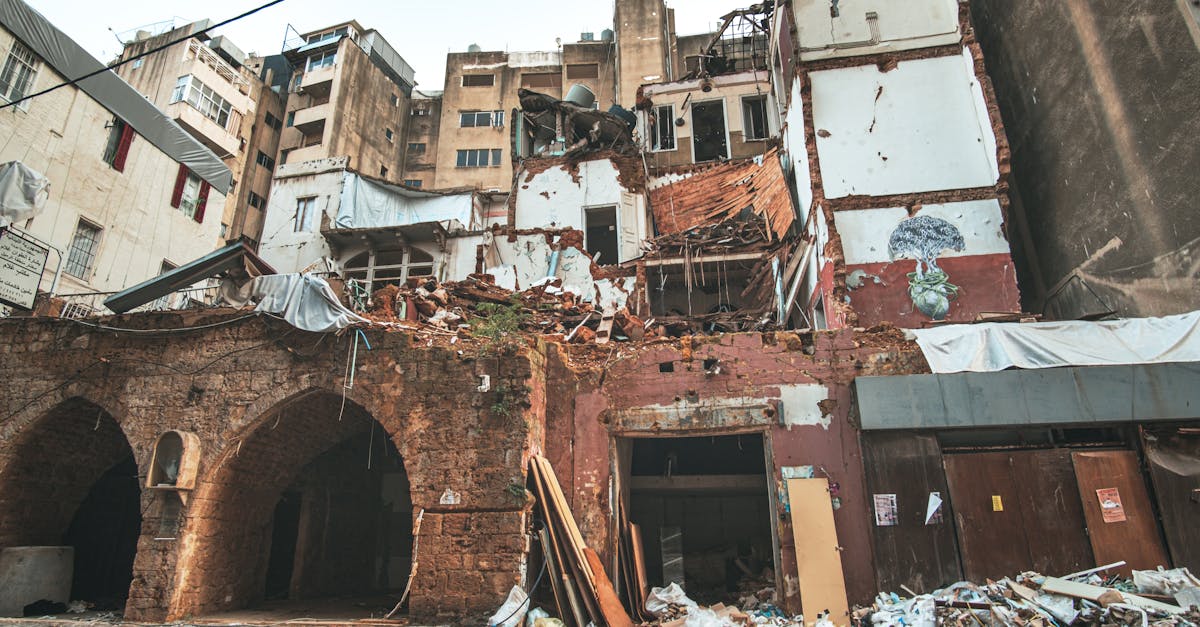
Three Israeli airstrikes on Lebanon resulted in the deaths of 10 individuals and injuries to 57 others, escalating tensions in the region. These attacks come at a sensitive time marked by rising conflict among involved parties.
The airstrikes targeted various areas in Lebanon, leading to widespread destruction of property and infrastructure. Local sources confirmed that the attacks were focused on residential areas, provoking widespread international condemnation.
Details of the Incident
According to reports, the Israeli Air Force conducted the strikes in the late hours of the night, targeting sites believed to be associated with armed groups. These attacks caused panic among residents, who took to the streets in search of safety.
The reported victims were civilians, raising questions about international laws regarding military operations. Images circulated on social media depicted the devastation inflicted on homes and public facilities.
Background & Context
These airstrikes occur amidst escalating tensions between Israel and Hezbollah, with repeated clashes reported along the Lebanese-Israeli border in recent weeks. This escalation reflects the deeper ongoing conflict in the region, which has persisted for decades.
Historically, Lebanon has been a battleground for regional conflicts, where political and military interests intertwine. The Israeli-Palestinian conflict has exacerbated conditions in Lebanon, making the country vulnerable to further attacks.
Impact & Consequences
Analysts predict that these airstrikes may lead to greater escalation in the conflict, as armed groups may retaliate against the attacks. This escalation could threaten stability across the entire region and increase civilian suffering.
Additionally, these events may affect international relations, as external powers might intervene to mediate or support one of the parties involved. The airstrikes could elicit reactions from the international community, potentially leading to calls for a ceasefire.
Regional Significance
These airstrikes serve as a reminder of the tense situation in the Middle East, where many countries are affected by ongoing conflicts. Such events could heighten tensions in neighboring countries, threatening regional security.
Moreover, these incidents may impact the humanitarian situation in Lebanon, where many residents are suffering from the effects of the ongoing conflict. It is crucial for the involved parties to take steps to de-escalate and protect civilians.