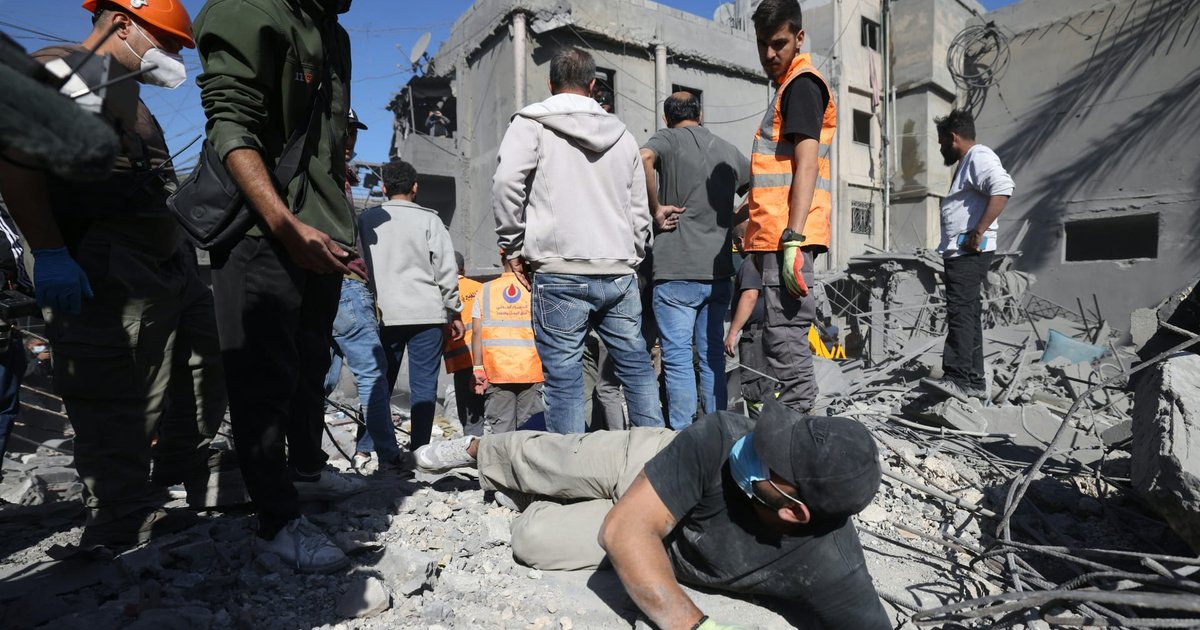
Israeli airstrikes on Lebanon have resulted in the deaths of 8 individuals and injuries to 55 others, in a serious escalation of hostilities between the Israeli occupation and Hezbollah. At the same time, Hezbollah announced that it had carried out 23 attacks on Israeli targets since dawn on Sunday, reflecting the rising tensions in the region.
The Lebanese news agency reported that one of the airstrikes targeted the Jnah area in the southern suburbs, leading to the deaths of 5 people, including a 15-year-old girl, as well as two Sudanese nationals. Additionally, 52 others were injured, including 8 children, highlighting the tragic impact of these airstrikes on civilians.
Details of the Incident
In another strike, Israeli aircraft targeted the Ain Saadeh hills, resulting in the deaths of 3 citizens, including two women, and injuring 3 women. This toll comes after the Lebanese Ministry of Health announced that the total number of casualties from the Israeli aggression on Lebanon since March 2 has reached 1461 dead and 4430 injured, in addition to over 1 million displaced individuals.
In contrast, the Israeli occupation army stated that it targeted Hezbollah headquarters in Beirut, claiming they were being used to plan attacks against Israel. This claim is part of a broader narrative that seeks to justify the ongoing military operations in the region.
Background & Context
The recent escalation in violence can be traced back to a series of provocations and retaliatory actions between Israel and Hezbollah. The conflict has deep historical roots, with both sides engaging in a cycle of violence that has resulted in significant loss of life and displacement over the years. The current situation is exacerbated by the ongoing humanitarian crisis in Gaza, which has drawn international attention and condemnation.
Lebanon has been grappling with its own internal challenges, including economic instability and political fragmentation, which have made it difficult for the government to respond effectively to external threats. The involvement of Hezbollah, a powerful militant group in Lebanon, complicates the situation further, as it has both local support and regional backing from Iran.
Impact & Consequences
The immediate impact of the Israeli airstrikes has been devastating for the affected communities, with families mourning the loss of loved ones and many others facing injuries that will require long-term medical care. The psychological toll on survivors, particularly children, is also significant, as they grapple with the trauma of living in a conflict zone.
On a broader scale, the escalation of violence could lead to a wider regional conflict, drawing in other countries and non-state actors. The international community is closely monitoring the situation, with calls for restraint and dialogue to prevent further bloodshed. However, the entrenched positions of both Israel and Hezbollah make a peaceful resolution challenging.
Regional Significance
The ongoing conflict between Israel and Hezbollah has implications beyond Lebanon's borders, affecting regional stability and security. Neighboring countries are wary of the potential for spillover violence, and the situation has become a focal point for various geopolitical interests in the Middle East.
Moreover, the humanitarian crisis in Gaza continues to resonate with the Lebanese population, many of whom express solidarity with the Palestinian cause. This solidarity can lead to increased support for Hezbollah's actions, further complicating the dynamics of the conflict and the potential for peace.
In conclusion, the recent Israeli airstrikes on Lebanon have underscored the fragility of peace in the region and the urgent need for diplomatic efforts to address the underlying issues fueling the conflict. The international community must engage with all parties to seek a sustainable resolution that prioritizes the safety and well-being of civilians.