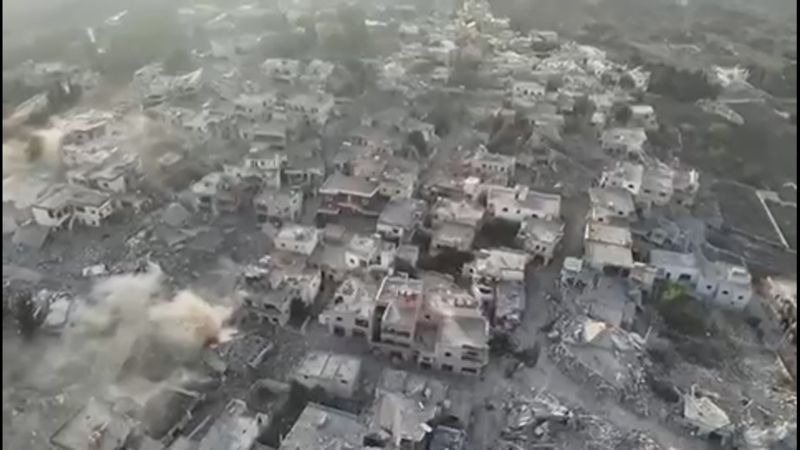
Two Israeli airstrikes on southern Lebanon have resulted in the deaths of four individuals, marking a new escalation in regional tensions. This incident occurs amid increasing political and security unrest in Lebanon, raising concerns about the stability of the region.
The Israeli attacks targeted specific areas in the south, where local sources reported extensive damage to property and infrastructure. Medical sources confirmed that the martyrs were civilians, raising questions about the true objectives of these airstrikes.
Details of the Incident
According to reports, the airstrikes occurred late at night, targeting sites believed to be affiliated with armed factions in the area. The strikes caused panic among local residents, who expressed fears of a larger military escalation.
The Israeli military has not officially commented on these airstrikes, but Israeli security sources confirmed that the aim was to undermine the military activities of armed factions in southern Lebanon. These attacks follow a series of border clashes between Israeli forces and Hezbollah, further heightening tensions in the region.
Background & Context
Historically, the Lebanese-Israeli border has experienced ongoing tensions, especially since the 2006 war. Since then, there have been several rounds of violence between the two sides, as each seeks to strengthen its military positions. The situation in Lebanon is complex, as the country suffers from economic and political crises, complicating the security landscape.
The Israeli military presence in the region raises concerns among the international community, as many observers believe these airstrikes could lead to a larger escalation in the conflict. Lebanon, grappling with internal crises, finds itself in a difficult position, having to deal with external threats and internal pressures.
Impact & Consequences
The potential ramifications of these airstrikes could be far-reaching. They may provoke reactions from armed factions in Lebanon, potentially escalating the conflict further. Additionally, these attacks could affect relations between Lebanon and Israel, complicating peace efforts in the region.
Internally, these airstrikes may increase tensions among various Lebanese factions, which could exacerbate the political and economic crises Lebanon is currently facing. The international community is closely monitoring the situation, as any escalation in the region is considered a threat to regional security.
Regional Significance
The Israeli military operations in Lebanon are not merely local events; they have wide-ranging implications for the entire Arab region. The escalation of tensions between Israel and Lebanese factions could provoke reactions from other countries in the region, potentially reigniting old conflicts.
Furthermore, the situation in Lebanon may impact relations between Arab states and Israel, especially in light of normalization efforts being pursued by some countries. Any escalation in Lebanon could reverse progress and deepen divisions within the Arab world.
In conclusion, the situation in Lebanon remains under close watch, as all eyes are on how events will unfold in light of these Israeli airstrikes. There is hope that the international community can intervene to de-escalate tensions and ensure the safety of civilians in the region.