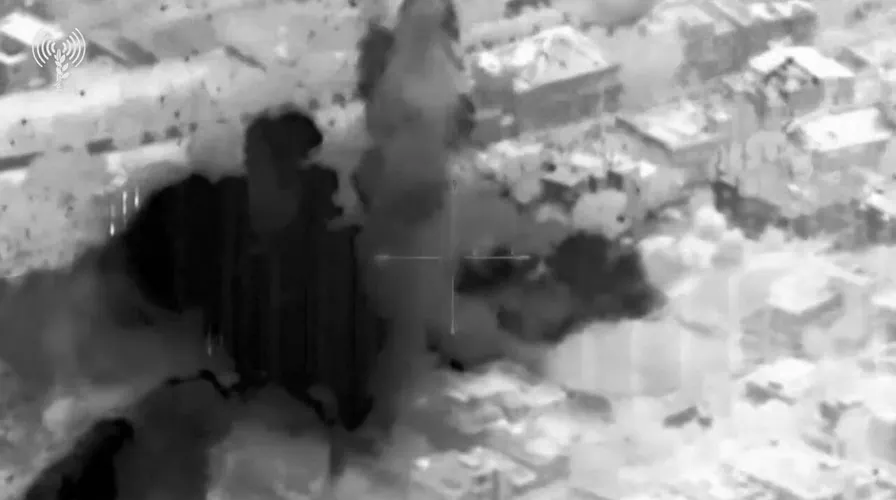
Israeli warplanes launched intensive airstrikes on Beirut and multiple regions in Lebanon, resulting in the deaths of 89 people and injuries to 700 others. The Israeli army confirmed that it targeted around 100 military sites affiliated with Hezbollah, marking the largest operation since the conflict with the group began.
These airstrikes come amid escalating tensions between Israel and Hezbollah, with military operations increasing in recent times. Lebanese officials noted that the airstrikes caused widespread destruction in the targeted areas, exacerbating the suffering of civilians.
Details of the Airstrikes
Late at night, the Israeli strikes targeted multiple Hezbollah sites, including weapon depots and command centers. Significant damage to buildings and infrastructure has been documented, leading to panic among the residents.
The Israeli army reported that these operations are a response to Hezbollah's escalation of attacks on the Israeli border, where the group launched several rockets at Israeli military positions. These airstrikes are seen as a strong message from Tel Aviv to Hezbollah, indicating that it will not hesitate to use military force to protect its territory.
Background & Context
Historically, relations between Israel and Hezbollah have been marked by severe tensions, especially since the 2006 war. Since then, intermittent clashes between the two sides have continued, leading to ongoing violence. These airstrikes occur at a sensitive time, as both parties seek to strengthen their positions in the region.
The situation in Lebanon is further complicated by the economic and political crises the country is facing, increasing the challenges for the Lebanese government in dealing with the aftermath of these airstrikes. Observers have pointed out that these operations could worsen the humanitarian situation in Lebanon, where residents are suffering from severe shortages of basic resources.
Impact & Consequences
Analysts expect these airstrikes to lead to a greater escalation in the conflict between Israel and Hezbollah, potentially dragging the region into further violence. Additionally, international pressure may increase on both sides to de-escalate, especially with calls from the international community for calm.
At the same time, these events may impact the internal situation in Lebanon, potentially increasing political divisions and exacerbating economic and social crises. Some experts have warned that the continuation of this escalation could have catastrophic consequences for civilians.
Regional Significance
The airstrikes highlight the rising tensions between Israel and Hezbollah and their impact on regional stability. As both sides prepare for potential further confrontations, the international community remains watchful, urging restraint and dialogue to prevent a broader conflict.
In conclusion, the situation remains precarious, with the potential for significant humanitarian repercussions as the conflict unfolds. The international community's response will be crucial in shaping the future dynamics of the region.