Israeli warplanes have launched airstrikes on areas in southern Lebanon, following direct orders from Israeli Prime Minister Benjamin Netanyahu to target what has been described as Hezbollah positions. The airstrikes targeted several towns, including Hadatha, Zbqin, Kherbet Salim, and Sultaniyya, raising increasing concerns in the region.
According to the Lebanese National News Agency, these airstrikes are part of an escalating military confrontation between Israel and Hezbollah, with tensions having risen recently, signaling a potential escalation in the ongoing conflict between the two parties.
Details of the Event
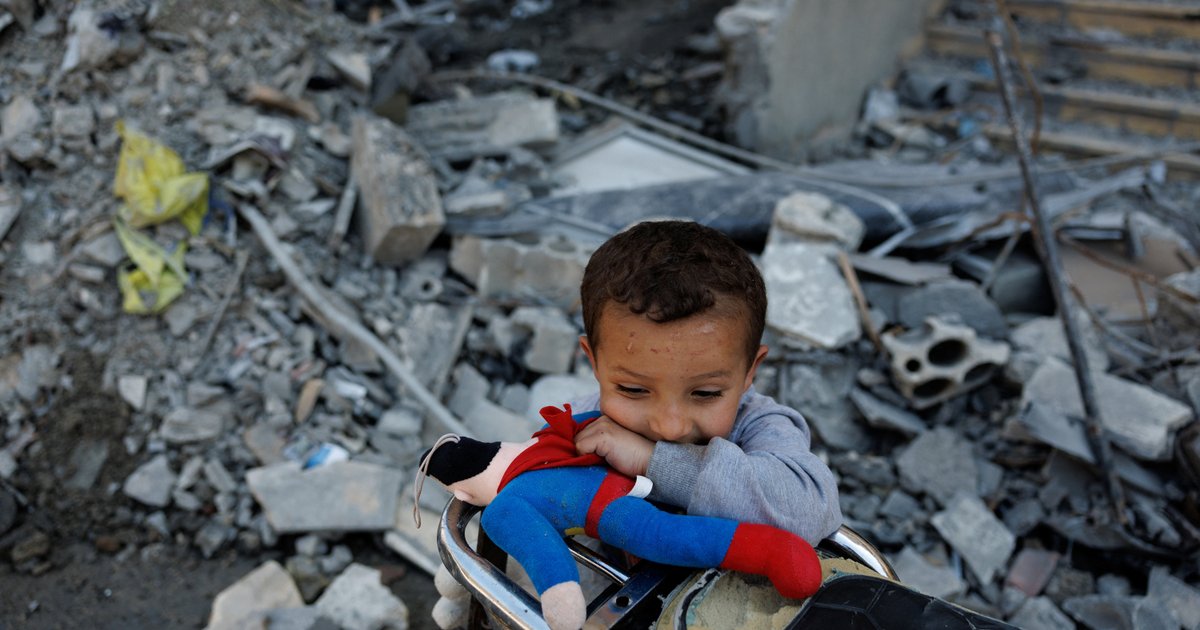
The airstrikes carried out by Israel come at a sensitive time, as fears of a broader military escalation in the region are increasing. Images circulated on social media have shown the destruction left by the strikes, reflecting the extent of damage inflicted on the infrastructure in those areas.
These military operations follow a series of mutual threats between Israel and Hezbollah, with each side seeking to demonstrate its strength and ability to respond to any aggression. Reports have confirmed that the airstrikes targeted sites believed to be used for storing weapons or planning military operations against Israel.
Background & Context
Historically, the Lebanese-Israeli border has witnessed ongoing tensions, with Hezbollah being one of the most prominent armed factions in Lebanon, having fought several wars against Israel, most notably in 2006. Since then, the border has maintained a state of tension, with exchanges of attacks and threats between both sides.
In recent years, Israeli military activities in the region have increased, as Tel Aviv seeks to prevent any potential threats from Hezbollah, which many observers consider one of the greatest security challenges for Israel in the area. Additionally, the situation in Syria and the impacts of the civil war there have contributed to complicating the security landscape in Lebanon.
Impact & Consequences
The Israeli military operations could lead to greater escalation in the conflict, which may negatively affect stability in Lebanon and the region as a whole. If the airstrikes continue, civilians in the targeted areas may suffer further harm, exacerbating humanitarian conditions.
Moreover, military escalation could open the door to international or regional interventions, as some countries seek to calm the situation and prevent the outbreak of conflict. There are also concerns that these operations could provoke reactions from Hezbollah, further complicating the security situation in the region.
Regional Significance
This military escalation comes at a sensitive time for the Arab region, where many countries are grappling with internal and external crises. The escalation between Israel and Hezbollah could impact peace and stability efforts in the region and may adversely affect relations between Arab states and Israel.
Recent events may also evoke memories of past conflicts in the region, potentially leading to increased tensions among various factions. It is crucial for Arab states to monitor the situation closely, as any escalation could affect their interests and security.