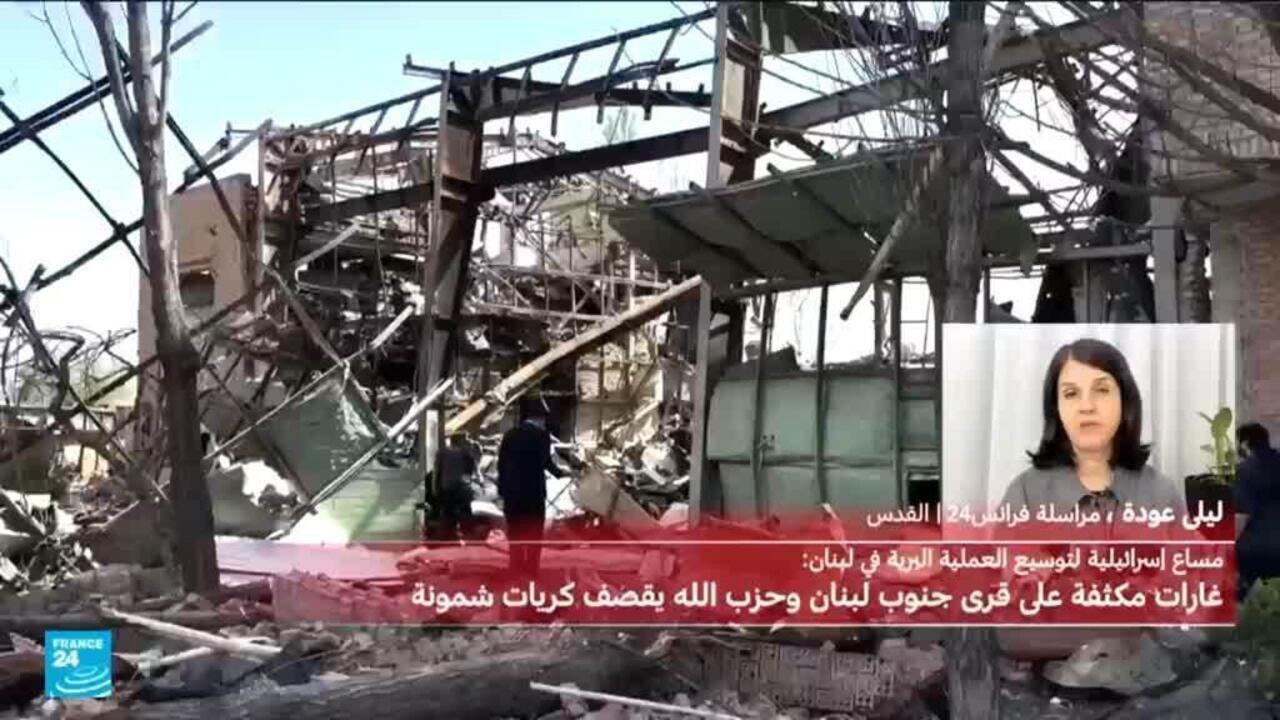
Early on Tuesday morning, the Israeli military revealed that it had completed a wave of airstrikes targeting the infrastructure of the Iranian government in the capital Tehran and other areas of the country. These strikes come amid escalating tensions between Israel and Iran, as Israeli air defense systems were activated to intercept missiles launched from Iranian territory.
Through these airstrikes, Israel aims to undermine Iranian military capabilities, which it views as a direct threat to its national security. The Israeli army indicated that these operations are part of a response to Iranian escalation in the region, which includes Tehran's support for armed groups in Lebanon and Syria.
Details of the Incident
According to official reports, the Israeli strikes targeted strategic sites in Tehran, including military facilities and research and development centers. A number of missiles were documented being launched from Iran, and Israeli air defense systems successfully intercepted them, reflecting the effectiveness of these systems in countering missile threats.
These events coincide with rising tensions in the region, with both sides exchanging accusations regarding military escalation. Military sources confirmed that the strikes were precise and effectively achieved their objectives, reflecting Israel's strategy in dealing with potential threats.
Background & Context
Historically, relations between Israel and Iran have been increasingly tense, especially following the Iranian nuclear agreement in 2015. Israel has considered this agreement to enhance Iran's ability to develop its nuclear program, prompting it to take proactive measures to ensure its security. Additionally, Iran's support for armed groups in the region, such as Hezbollah, heightens the tension.
In recent years, Iran has intensified its military activities in the region, leading to strong reactions from Israel. The Lebanese border with Israel has seen an escalation in hostilities, with Hezbollah repeatedly targeting Israeli positions, complicating the security landscape in the area.
Impact & Consequences
These airstrikes serve as a strong message from Israel to Iran, indicating that it will not hesitate to take military action to protect its security. The military escalation may provoke reactions from Iran, increasing the likelihood of a larger conflict in the region.
On a regional level, these events may affect relations between Arab states and Iran, as Arab countries closely monitor the rising tensions. These developments could lead to a reassessment of national security strategies among Arab nations, particularly those near the Iranian border.
Regional Significance
These events suggest that the Arab region may be on the brink of a larger conflict, as fears grow that military actions between Israel and Iran could destabilize neighboring countries. Furthermore, these developments may impact peace efforts in the region, as divisions between Arab states and Iran deepen.
In conclusion, the situation in the region remains tense, and the military escalation between Israel and Iran appears set to continue influencing the regional landscape. The current situation requires Arab states to adopt strategic positions to ensure their security and stability amid these growing challenges.