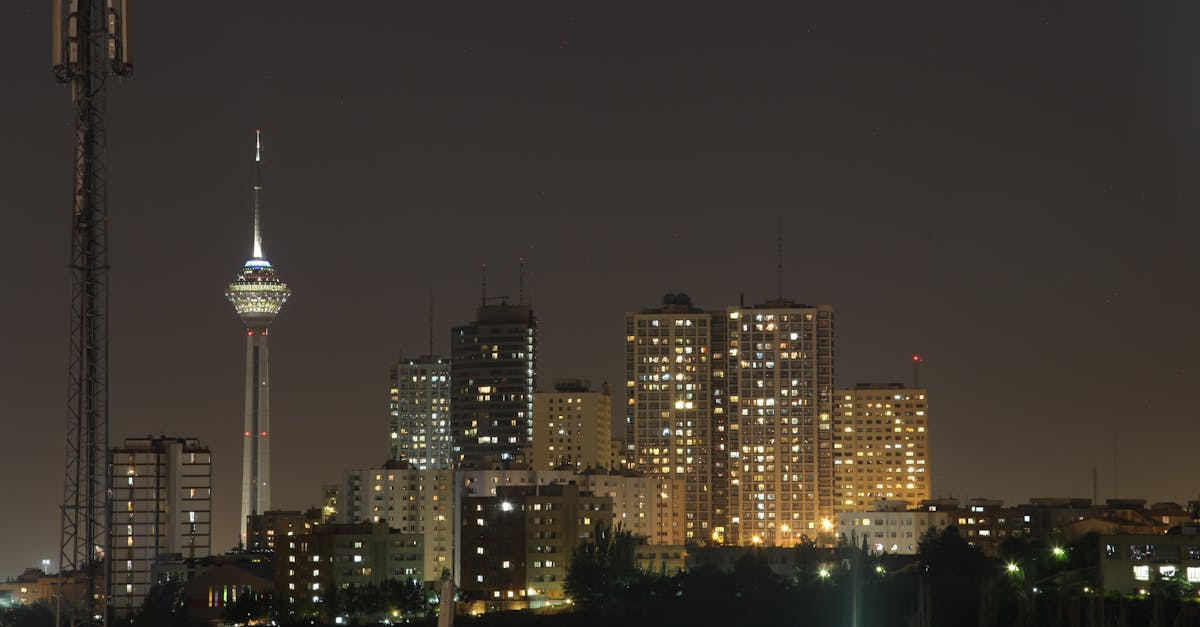
The Israeli military executed airstrikes late Monday night targeting three major airports in the Iranian capital, Tehran. Israeli military sources confirmed that these strikes resulted in the destruction of several Iranian aircraft and helicopters, reflecting a significant escalation in military operations between the two sides.
These airstrikes occur at a sensitive time as tensions between Israel and Iran are on the rise, particularly given the complex regional circumstances. The Israeli military indicated that these operations aim to undermine Iranian military capabilities, which it views as a direct threat to its national security.
Details of the Operations
According to reports, the airstrikes targeted Mehrabad, Imam Khomeini, and Kish airports, where movements of Iranian aircraft and helicopters were detected. Military sources reported that Israeli aircraft employed advanced technologies to ensure precision strikes, resulting in the destruction of several planes that were prepared for takeoff.
These strikes are considered part of Israel's broader strategy to counter Iranian influence in the region, as Tel Aviv seeks to prevent Tehran from bolstering its military presence in neighboring countries such as Syria and Lebanon.
Background & Context
Historically, relations between Israel and Iran have been marked by ongoing tension, with Israel viewing Iran as a primary adversary in the Middle East. Since the Islamic Revolution in 1979, relations between the two countries have taken a hostile turn, with Israel accusing Iran of supporting armed groups that threaten its security.
In recent years, Iran has intensified its nuclear program, raising concerns within the international community and leading to economic sanctions against it. For its part, Israel continues to carry out military operations against Iranian targets in Syria, viewing them as a direct threat to its security.
Impact & Consequences
These airstrikes serve as a strong message from Israel to Iran, indicating that it will not hesitate to use military force to protect its interests. Such operations may provoke strong reactions from the Iranian side, potentially leading to further escalation of military tensions in the region.
Additionally, these airstrikes could impact relations between Iran and Western countries, possibly reopening discussions about the Iranian nuclear deal, which has seen a decline in recent times. If military operations continue, the situation may escalate further, threatening regional stability.
Regional Significance
The military developments between Israel and Iran directly affect neighboring Arab countries, which are closely monitoring the rising tensions. These airstrikes could lead to strengthened regional alliances, as some Arab nations may seek to enhance their cooperation with Israel to counter the Iranian threat.
Furthermore, these events could influence the course of negotiations between Palestinians and Israelis, as Israel might exploit these circumstances to bolster its military and political position in the region.
In conclusion, the Israeli airstrikes on Iranian airports reflect a serious escalation in the conflict between the two sides, necessitating careful monitoring by the international community to avoid worsening conditions in the region.