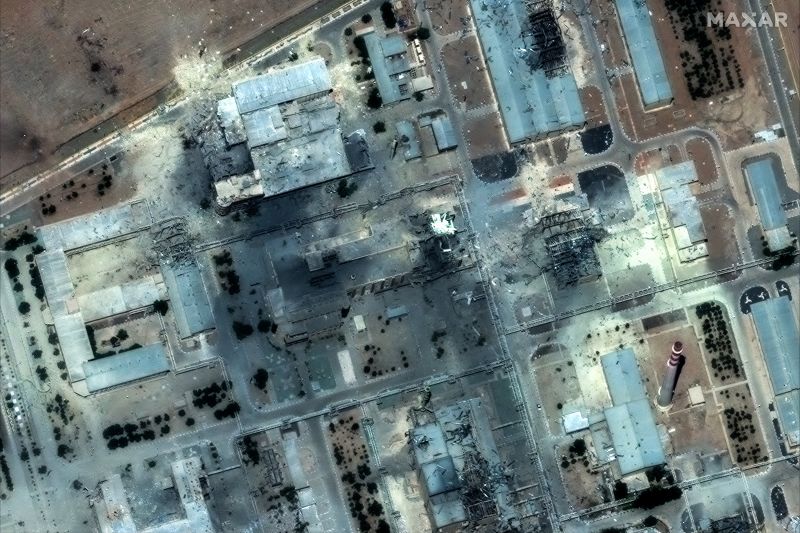
In a new escalation of regional tensions, U.S. and Israeli forces have launched airstrikes on sensitive sites in Iran, including nuclear facilities. The Fars News Agency reported that the Khandab Heavy Water Complex was subjected to a double attack by what it described as the "American and Zionist enemy," reflecting growing international concern over Iran's nuclear program.
The Iranian news agency IRNA also confirmed that the strikes targeted another facility producing nuclear materials, raising questions about the true objectives of these airstrikes and their potential impact on regional security.
Details of the Incident
Reports indicate that the strikes on the Khandab Heavy Water Complex, considered one of Iran's most prominent nuclear facilities, were carried out in two phases, suggesting careful planning by the executing forces. This facility is a crucial part of Iran's nuclear program, which has raised widespread international concerns due to doubts about Tehran's intentions to develop nuclear weapons.
In a related context, Iranian officials have called on neighboring countries to evacuate areas close to the targeted facilities, reflecting concerns about potential reactions to these attacks. These calls have raised questions about the potential humanitarian impact on civilians in those areas.
Background & Context
These airstrikes come at a time of heightened tensions between Iran and the United States and its allies, especially following Washington's withdrawal from the Iranian nuclear agreement in 2018. Since then, pressure on Iran has increased, prompting it to expand its nuclear program beyond the agreed limits.
Additionally, these events occur amid escalating tensions in the region, as Iran seeks to enhance its influence in Iraq, Syria, and Lebanon, raising concerns among neighboring countries such as Saudi Arabia and Israel.
Impact & Consequences
These airstrikes represent a serious escalation in the ongoing conflict and may provoke military responses from Iran, increasing the likelihood of armed conflict in the region. Furthermore, these events could impact potential peace talks between Iran and Western nations, as these attacks may hinder diplomatic efforts aimed at de-escalating the situation.
Moreover, military escalation could lead to increased tensions between major powers, especially given the conflicting interests in the region, which could negatively affect regional stability.
Regional Significance
These events directly impact neighboring Arab countries, where fears of escalating conflict in the region are growing. The airstrikes may increase tensions between Iran and Arab nations, undermining regional cooperation efforts and heightening instability.
Additionally, these events could affect oil prices and financial markets, as any military escalation in the region could lead to significant price fluctuations, impacting Arab economies.
In conclusion, the situation in the region remains tense and requires intensive diplomatic efforts to avoid further escalation. The international community must intervene urgently to alleviate tensions and ensure that conditions do not worsen.