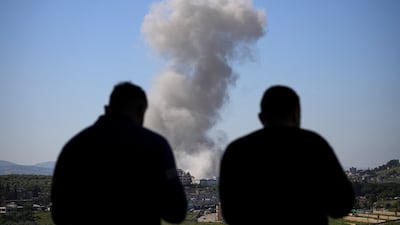
In recent hours, Israeli forces have launched airstrikes on targets in Lebanon, escalating military tensions in the region. This comes at a critical time as hostilities between Israel and Hezbollah intensify, raising concerns about the potential for further conflict. The Israeli strikes targeted sites believed to be associated with Hezbollah, reflecting the ongoing struggle between the two parties.
At the same time, a significant vote took place in London for British Labour leader Keir Starmer, highlighting the growing global interest in the political events unfolding in the region. As crises escalate in the Middle East, attention remains focused on how these developments will impact international politics.
Details of the Incident
The Israeli airstrikes on Lebanon followed a series of escalating tensions, with reports indicating that Israeli forces targeted locations in southern Lebanon, prompting strong reactions from Hezbollah. These strikes are part of a broader Israeli policy aimed at undermining Hezbollah's military capabilities and are considered a component of a larger strategy to address security threats in the region.
In response, Hezbollah threatened to escalate the situation, further heightening tensions. Observers have noted that these events could lead to a larger escalation in the ongoing conflict, especially given the complex regional circumstances.
Background & Context
Historically, relations between Israel and Lebanon have been marked by ongoing tensions, with several wars and conflicts occurring over the past decades. Hezbollah, established in the 1980s, is one of the prominent armed factions in Lebanon and has engaged in multiple confrontations with Israel, the most notable being in 2006. This historical backdrop reflects the deep-rooted nature of the ongoing conflict, which continues to impact security and stability in the region.
In recent years, tensions between Israel and Hezbollah have increased due to disputes over maritime and land borders, along with Iranian interventions in Lebanese affairs. These factors complicate the prospects for achieving peace and stability in the region, raising the likelihood of military escalation.
Impact & Consequences
The recent military escalation could have serious implications for regional security, potentially leading to a larger conflict between Israel and Hezbollah. Additionally, these events may affect relations between Arab countries and Israel, particularly as some Arab nations seek normalization with Israel.
Moreover, the military escalation could impact Lebanon's struggling economy, which is already facing a severe crisis. Any military escalation could exacerbate the humanitarian situation in the country, increasing the suffering of the Lebanese people.
Regional Significance
The recent events are part of a series of tensions affecting the Arab region, where security and political challenges are on the rise. The escalation between Israel and Hezbollah may influence neighboring countries and increase instability in the region.
These events also underscore the importance of dialogue and understanding among the various parties involved, as the continuation of conflict will only lead to further suffering. The international community must play an active role in supporting peace and stability efforts in the region.
In conclusion, the situation in Lebanon and Israel remains tense and requires close monitoring by the international community. The recent military escalation highlights the ongoing challenges facing the region and emphasizes the need for peaceful solutions to existing conflicts.