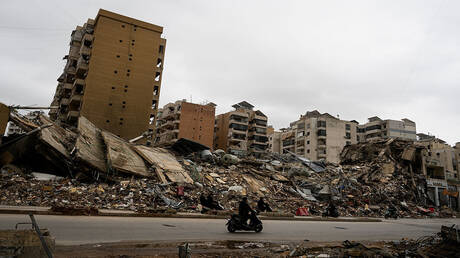
The Israeli army has confirmed the execution of new airstrikes in Lebanon, releasing footage documenting these operations and asserting that they resulted in the destruction of a series of infrastructures and arms depots concealed within civilian areas. These strikes occur at a sensitive time, as tensions in the region have noticeably escalated.
The Israeli military clarified that the airstrikes targeted strategic sites, indicating that these operations are part of its efforts to counter perceived security threats from Hezbollah and other armed groups. These strikes have sparked mixed reactions within political and media circles.
Details of the Airstrikes
According to reports, the airstrikes targeted multiple areas in Lebanon, where the destruction of several facilities believed to be used for arms storage was documented. The Israeli army confirmed that these operations were conducted with high precision to minimize collateral damage to civilians, although reports indicate that the strikes may have caused damage to civilian property.
These airstrikes come at a time when Lebanon is experiencing a severe economic crisis, further complicating the humanitarian situation in the country. International organizations have expressed concern about the impact of these operations on civilians, especially given the difficult conditions faced by the Lebanese people.
Background & Context
Historically, relations between Israel and Lebanon have been marked by increasing tensions, particularly following the conflict that erupted in 2006. Since then, military operations have continued between the two sides, with Hezbollah being one of the prominent armed factions opposing Israel. These airstrikes are part of an Israeli strategy aimed at undermining Hezbollah's military capabilities.
In recent years, tensions have escalated due to disputes over maritime and land borders, increasing the likelihood of a new conflict. Additionally, the complex regional situation, including Iranian interventions in the area, complicates matters further.
Impact & Consequences
These airstrikes could lead to a greater escalation in the conflict between Israel and Hezbollah, which may negatively affect stability in Lebanon and the region. Furthermore, these operations could impact relations between Lebanon and other Arab countries, especially amid the political and economic crises the country is facing.
It is likely that these events will provoke international reactions, with some countries potentially calling for restraint and avoidance of escalation. At the same time, certain parties may exploit these events to bolster their political positions in the region.
Regional Significance
These airstrikes are considered part of the broader conflict in the Middle East, which involves complex issues related to security and sovereignty. The potential impact of these operations could extend to neighboring countries, potentially leading to increased tensions in other areas such as Syria and Palestine.
Moreover, the situation in Lebanon could affect Syrian refugees and residents within the country, further complicating humanitarian conditions. Under these circumstances, the international community must exert greater efforts to reduce escalation and ensure the protection of civilians.