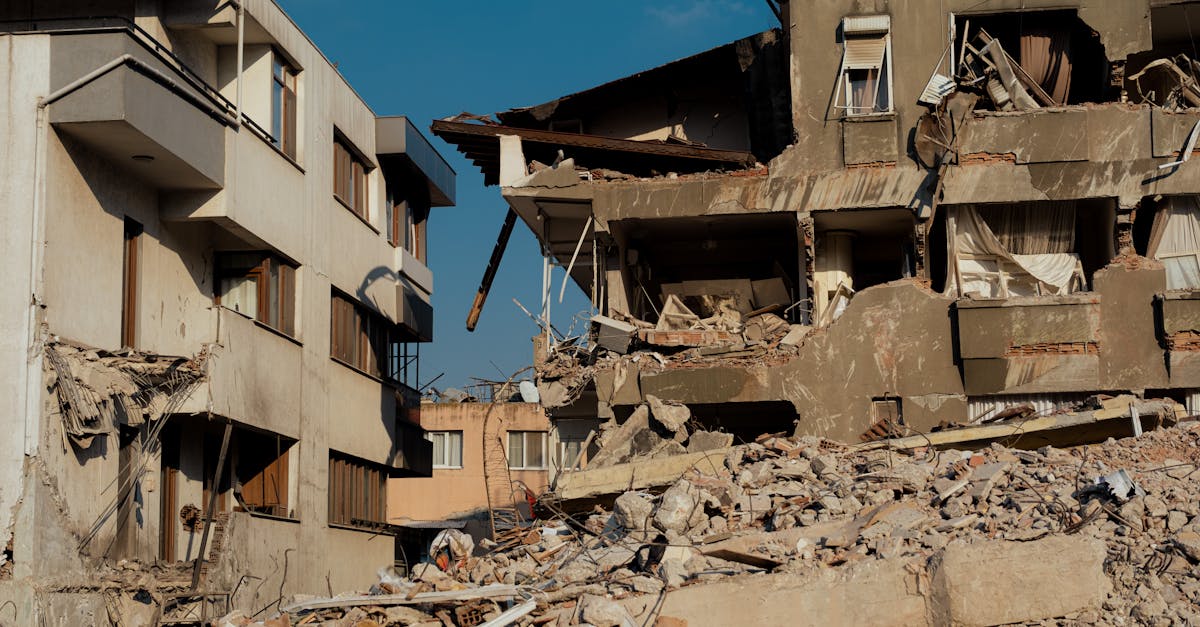
Israeli warplanes launched a series of airstrikes early Thursday targeting the southern suburbs of Beirut and towns in southern Lebanon, raising increasing concerns about military escalation in the region. These strikes come at a sensitive time as Lebanon faces significant economic and political challenges.
Hezbollah, considered one of the key players in the Lebanese arena, announced its continued response to the Israeli attacks, indicating that these airstrikes would not go unpunished. The party's statements reflect its determination to confront any aggression against Lebanese territory, further intensifying tensions in the area.
Details of the Event
The Israeli strikes included targeting specific sites in the southern suburbs of Beirut, which are regarded as a stronghold for Hezbollah. Initial reports indicated material damage, but no human casualties have been recorded so far. These airstrikes are part of an ongoing Israeli policy aimed at undermining Hezbollah's military capabilities.
It is worth noting that this is not the first time Lebanon has been subjected to airstrikes from Israeli aircraft, as the past years have witnessed numerous attacks targeting various sites, exacerbating the security situation in the country.
Background & Context
Historically, relations between Lebanon and Israel have been marked by ongoing tensions, especially since the 2006 war that resulted in widespread destruction in Lebanon. Hezbollah, regarded as a resistance group, refuses to recognize Israel's existence and considers it a primary enemy. This historical backdrop casts a shadow over current events, as each side seeks to strengthen its position against the other.
Moreover, the economic situation in Lebanon, which is suffering from a severe crisis, complicates matters further. As economic conditions deteriorate, Hezbollah finds itself compelled to escalate military actions as a means to bolster its popularity domestically, creating a vicious cycle of violence and tension.
Impact & Consequences
The recent Israeli airstrikes underscore the rising tensions in the region and may provoke military responses from Hezbollah, increasing the likelihood of a larger conflict. This escalation could impact regional security, with growing fears that it might lead to a comprehensive war in the area.
Furthermore, the continuation of these military operations could negatively affect international efforts to stabilize Lebanon, as many international actors seek to support the Lebanese government in addressing economic and security challenges.
Regional Significance
The events in Lebanon are of significant importance to the Arab region as a whole, reflecting ongoing conflicts between armed factions and states. Military escalation can affect relations between Arab countries and Israel, increasing internal divisions in Lebanon.
Additionally, the situation in Lebanon may encourage other groups in the region to adopt similar stances, further complicating security conditions in countries like Iraq and Syria. Under these circumstances, the hope for achieving peace and stability in the region remains elusive.
The Israeli airstrikes on Lebanon reflect a serious escalation in regional tensions, necessitating close monitoring by the international community. Given the economic and political challenges facing Lebanon, the question of how to address these crises remains open, calling for concerted efforts to achieve stability in the region.