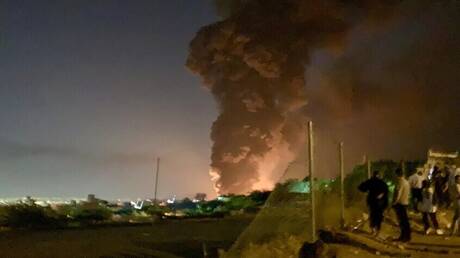
On Tuesday, Israeli air forces conducted intensive strikes on military and industrial facilities in Isfahan, Iran, targeting a factory considered one of the most important in the production of explosive materials. The spokesperson for the Israeli army, Avichai Adraee, confirmed that these operations are part of Israel's efforts to confront the rising security threats posed by Iran.
These airstrikes are part of a broader Israeli strategy aimed at undermining Iranian military capabilities, especially amid escalating tensions in the region. Images circulated on social media have shown the extent of the destruction left by the strikes, reflecting the scale of the attack on these facilities.
Details of the Incident
According to reports, the Israeli airstrikes targeted several sites in Isfahan, including facilities believed to be linked to Iran's weapons development program. Adraee emphasized that these operations are a response to Iranian activities that threaten Israeli national security, indicating that Israel will not hesitate to take necessary actions to protect itself.
At the same time, Iranian authorities have yet to issue any official comment regarding these strikes, but it is expected that these attacks will provoke strong reactions from the Iranian government, which views these operations as a violation of its sovereignty.
Background & Context
Tensions between Israel and Iran have been escalating for years, with Israel accusing Iran of developing a nuclear program that could threaten its existence. The region has witnessed numerous retaliatory attacks between the two sides, including cyberattacks and direct military operations.
Isfahan is considered one of the major Iranian cities housing numerous industrial and military facilities, making it a strategic target in any potential conflict. The city has previously been the scene of several Israeli military operations, reflecting the importance of the location in the regional conflict.
Impact & Consequences
These airstrikes are expected to escalate tensions between Iran and Israel, and Iran may respond to these attacks in various ways, either by enhancing its military capabilities or through retaliatory operations against Israeli targets.
Furthermore, these events could impact relations between Iran and Western countries, especially amid ongoing discussions regarding the Iranian nuclear program. These airstrikes may complicate efforts to reach a comprehensive agreement on the nuclear program, increasing the likelihood of escalating conflict in the region.
Regional Significance
These airstrikes signal a rise in conflict in the region, which could affect security and stability in neighboring Arab countries. While some Arab nations seek to improve relations with Iran, these events may lead to increased divisions and tensions between Arab states and Iran.
The military escalation between Israel and Iran could also negatively impact peace efforts in the region, further complicating the political and security landscape in the Middle East.
In conclusion, events in Isfahan remain a focal point for the world, highlighting the security challenges facing the region and underscoring the need for peaceful solutions to avoid further escalation.