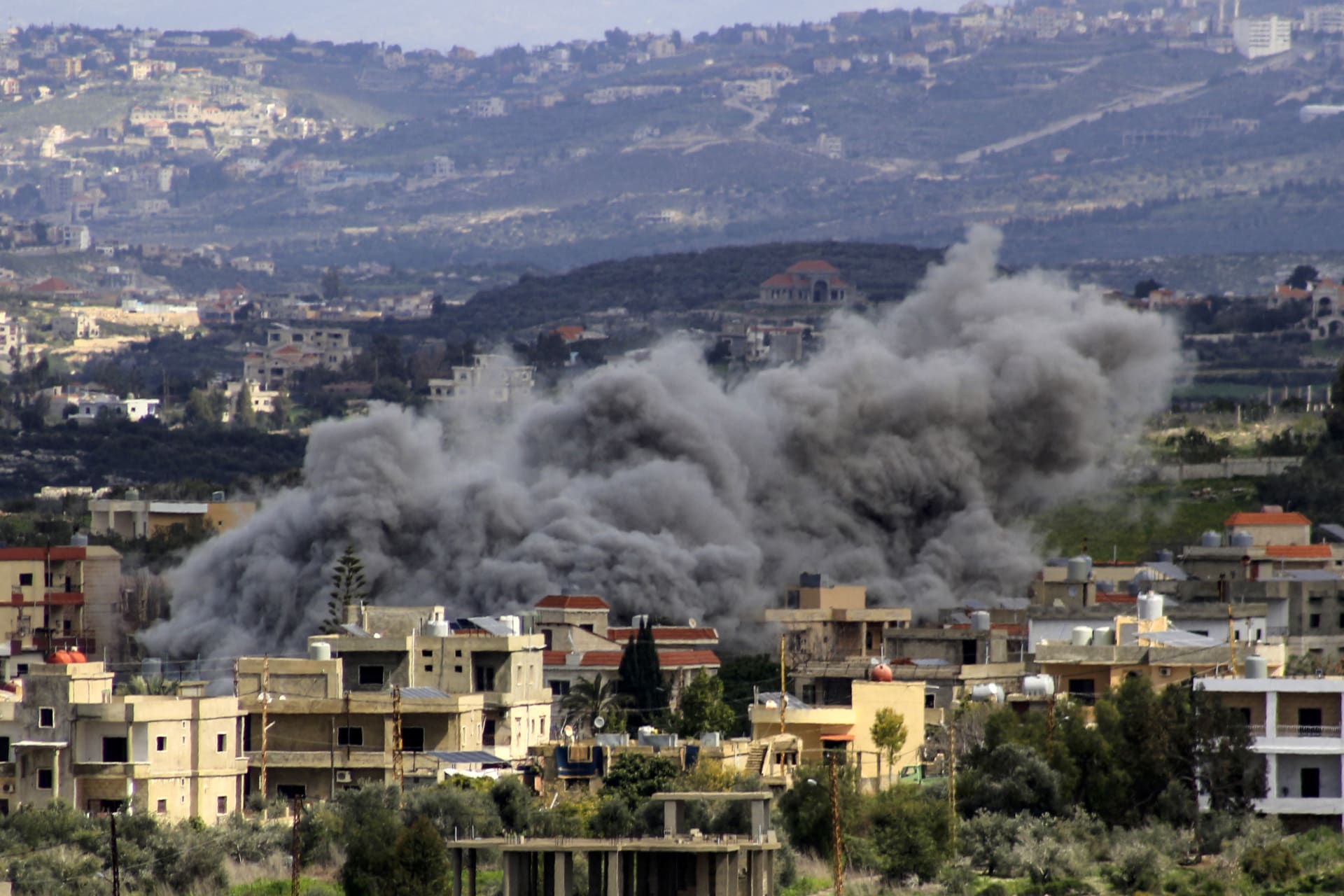
Israeli warplanes have conducted airstrikes on several towns in southern and eastern Lebanon, specifically targeting the regions of Nabatieh and Bekaa. According to reports from Al Jazeera, Israeli aircraft executed strikes on the towns of Haboush and Kfar Tabnit in southern Lebanon, and the strikes also included the town of Yahmour in Bekaa, in addition to the Zefta Valley and the town of Arab Salim.
These airstrikes come at a sensitive time, as the region is experiencing increasing tensions amid volatile political and security conditions. These attacks have sparked angry reactions from the Lebanese government, which considers the airstrikes a violation of its sovereignty and stability.
Details of the Event
The Israeli airstrikes are spread across several areas, targeting the towns of Haboush and Kfar Tabnit in the south, both of which are densely populated. The town of Yahmour in Bekaa, known for its large population clusters, was also targeted. So far, the airstrikes have not resulted in human casualties, but the material damages have been significant, exacerbating the suffering of local residents.
These airstrikes are part of an ongoing Israeli policy targeting sites believed to be associated with Hezbollah, which the Israeli occupation considers a major threat to its security. Recently, there has been an escalation in Israeli military operations against targets in Lebanon, raising concerns about increasing tensions in the region.
Background & Context
Historically, Lebanese-Israeli relations have seen escalating tensions for decades, marked by several wars and conflicts between the two parties. Since the July 2006 war, one of the bloodiest conflicts, Israeli airstrikes on Lebanon have not ceased, particularly targeting sites believed to be affiliated with Hezbollah.
These airstrikes coincide with rising tensions in the region, especially following recent events in Palestine, where Israeli attacks on civilians and residential areas have increased. This military escalation reflects an Israeli policy aimed at strengthening its military power in the region, raising fears of a larger conflict in the future.
Impact & Consequences
These airstrikes directly affect the security situation in Lebanon, heightening tensions between the Lebanese government and Israel. Additionally, these attacks may provoke reactions from Hezbollah, which may feel compelled to respond to these aggressions, increasing the likelihood of escalating the conflict.
Moreover, the continuation of Israeli airstrikes could impact internal stability in Lebanon, which is already suffering from severe economic and political crises. These pressures may exacerbate the humanitarian situation in the country, increasing the suffering of citizens.
Regional Significance
These airstrikes are part of a broader conflict in the region, where Israeli interests intersect with the situations in Palestine and Syria. The escalation of Israeli military operations may affect relations between Arab countries and Israel, especially amid attempts by some Arab nations to normalize relations with Israel.
Ultimately, the situation in Lebanon remains under scrutiny, with growing concerns about escalating violence and conflict in the region. The continuation of Israeli airstrikes could lead to serious repercussions for security and stability in Lebanon and the entire region.