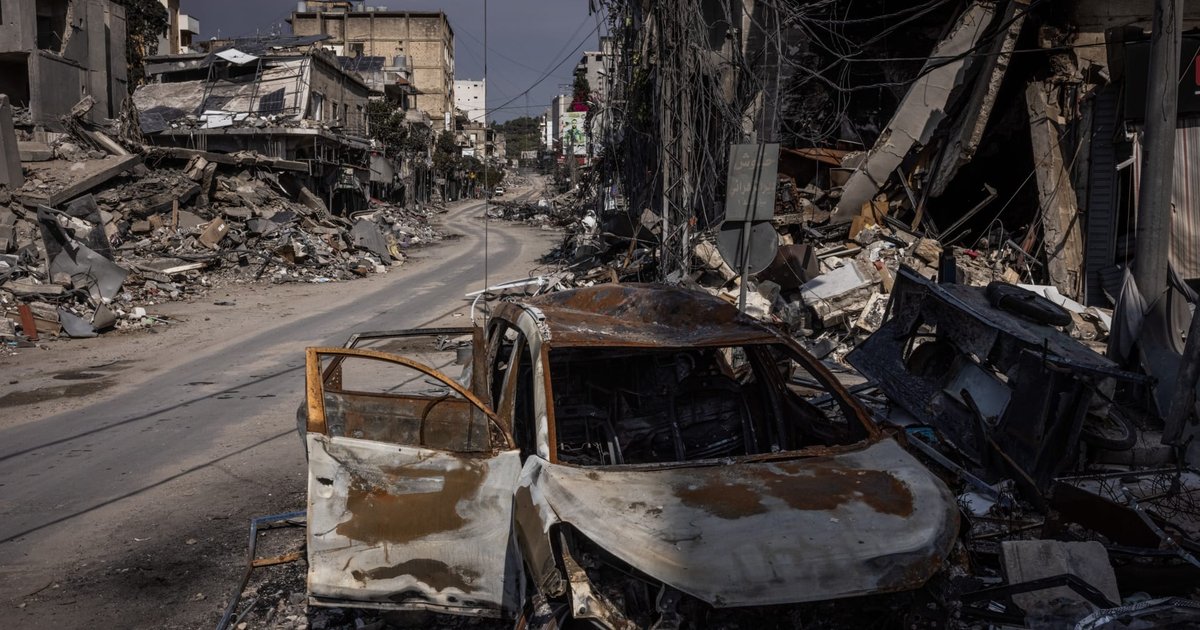
Israeli warplanes conducted airstrikes in southern Lebanon, targeting a house near Qlayla, which is located in the southern city of Tyre. Reports also indicated Israeli artillery shelling targeting areas in southern Lebanon, including Naqoura and Hammoul. Several villages in western Lebanon were subjected to Israeli artillery fire during the early hours.
These escalations come at a sensitive time when the region is witnessing increasing tensions, as this attack is seen as part of a series of military operations conducted by Israel in Lebanon. This escalation has raised significant concerns among political and public circles in Lebanon, where fears grow regarding its implications for security and stability in the country.
Details of the Incident
According to the Lebanese National News Agency, the Israeli airstrikes targeted a house in Qlayla, resulting in significant material damage. Artillery shelling was also reported in other areas, reflecting an unprecedented military escalation in the region. It was reported that the artillery fire also targeted areas near the Lebanese-Israeli border, heightening tensions between the two sides.
Information suggests that these military operations are part of Israel's response to what it considers threats from Hezbollah, which possesses a significant arsenal of weapons and is regarded as one of the key players in the Lebanese arena. The Israeli government has expressed its determination to take strict measures against any threats that may affect its national security.
Background & Context
Historically, Lebanese-Israeli relations have been marked by ongoing tensions, especially since the 2006 war that led to widespread destruction in Lebanon. Since then, mutual shelling between the two sides has continued, with tensions escalating at various times. Hezbollah, which enjoys substantial popular support in Lebanon, is one of the main actors opposing Israel, making any military escalation in the region carry significant risks.
In recent years, tensions in the region have increased due to political and economic events, including the economic crises plaguing Lebanon. This has exacerbated humanitarian conditions, making any military escalation more dangerous for civilians.
Impact & Consequences
These airstrikes could lead to a greater escalation in the conflict between Israel and Hezbollah, potentially dragging the region into a new war. Additionally, these military operations may affect internal stability in Lebanon, where the Lebanese people are suffering from severe economic and social crises.
Moreover, these escalations could prompt international interventions, as Lebanon is considered a sensitive area in the regional conflict. These events may elicit reactions from the international community, which seeks to calm the situation in the region.
Regional Significance
These airstrikes are part of the broader conflict in the Middle East, where regional and international interests intersect. These events may impact neighboring countries, such as Syria and Palestine, potentially leading to new escalations in existing conflicts.
Furthermore, the situation in Lebanon could affect regional security, necessitating clear positions from Arab countries regarding the Israeli escalations. Stability in Lebanon is an integral part of stability in the Arab region as a whole, making recent events of significant importance.