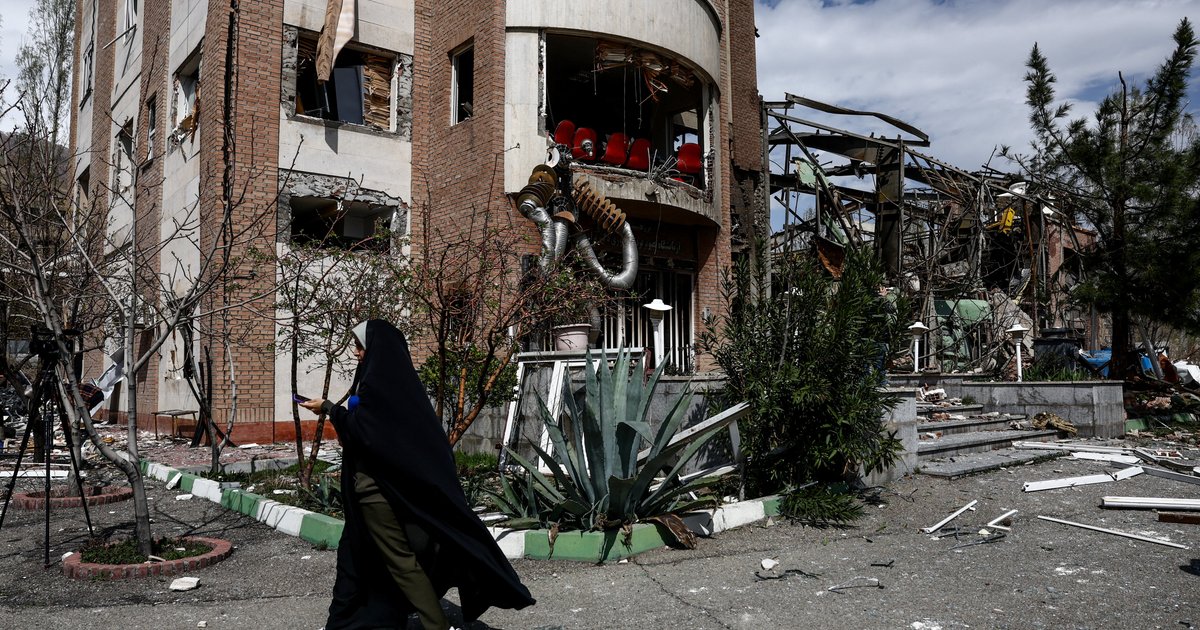
Israeli forces have launched new airstrikes targeting three airports in the Iranian capital, Tehran, as announced by Israeli military authorities. The airstrikes, which come amid increasing military escalation, focused on military infrastructure and aircraft at the mentioned airports.
The airports targeted include Bahram Airport, Mehrabad Airport, and Azmaish Airport. Israel claims that these strikes aim to destroy dozens of aircraft, helicopters, and military infrastructure located at these sites.
Details of the Event
These airstrikes occur at a time of rising tensions in the Middle East, where Israel seeks to undermine Iranian military capabilities. Reports have confirmed that the strikes have caused significant damage to the targeted airports, raising questions about Iran's ability to protect its military infrastructure.
These operations are part of a broader Israeli strategy aimed at preventing Iran from enhancing its military presence in the region, especially given the escalating tensions between the two sides. Israeli military spokespeople have indicated that these strikes are part of their ongoing efforts to counter potential threats from Iran.
Background & Context
Historically, relations between Israel and Iran have been extremely tense, with Israel viewing Iran as an existential threat. Since the Islamic Revolution in 1979, relations between the two countries have taken a hostile turn, with mutual accusations of interference in each other's affairs.
In recent years, Israel has increased its military operations against Iranian targets in Syria, claiming that Iran uses Syrian territory to develop its military capabilities. These strikes on Iranian airports represent a new escalation in this ongoing conflict.
Impact & Consequences
These airstrikes raise questions about how Iran will respond to these attacks, as they could lead to further escalation in the region. Iran may seek to retaliate against these strikes by targeting Israeli interests or its allies in the area.
Additionally, these airstrikes could impact international relations, potentially prompting major powers to reassess their strategies in dealing with the Israeli-Iranian conflict. Under these circumstances, there may be increased pressure on the international community to intervene and contain military escalation.
Regional Significance
These events are particularly significant for Arab countries, as they may affect regional stability. Many Arab nations are closely monitoring the escalating tensions between Israel and Iran, as any escalation could impact regional security.
Furthermore, these airstrikes may lead to strengthened regional alliances, as Arab nations might seek to enhance their security cooperation to address potential threats. In this context, calls for dialogue and cooperation between Arab countries and Israel may increase in response to shared challenges.