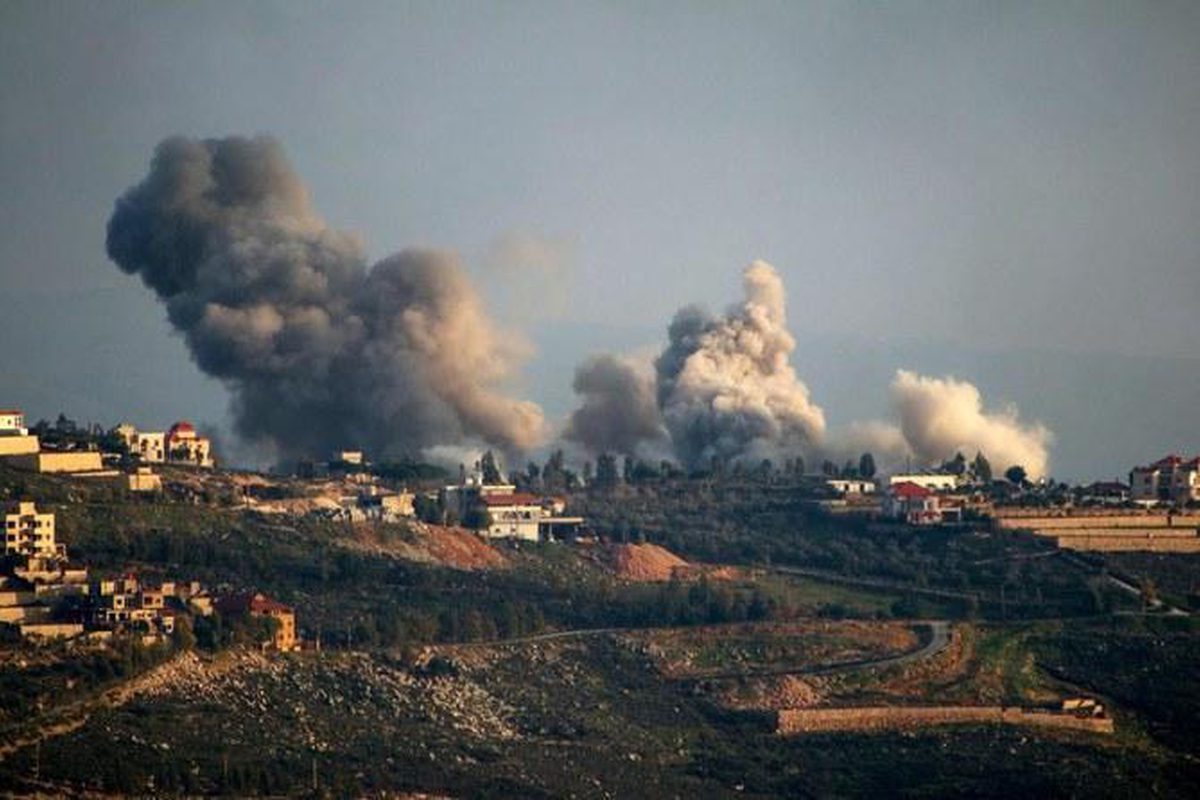
Israeli warplanes continue to bombard several villages and towns in southern and eastern Lebanon since early Tuesday, resulting in a death toll of 14 in the past 24 hours.
These airstrikes are part of an ongoing military escalation in the region, focusing on residential areas, leading to the destruction of numerous homes and significant damage to infrastructure.
Details of the Incident
According to local sources, the Israeli strikes targeted several villages in southern Lebanon, including areas close to the border with occupied Palestine. These regions have been subjected to intense shelling, causing panic among residents who were forced to flee their homes in search of safety.
It is noteworthy that these airstrikes come at a sensitive time, as tensions in the region are rising, raising fears of a larger escalation that could extend to neighboring countries.
Background & Context
Historically, the Lebanese-Israeli border has witnessed recurring tensions, especially following the recent conflict that erupted in 2006. Since then, Israel has continued to carry out military operations in Lebanon under the pretext of combating what it describes as "terrorism," while Lebanese people view these actions as violations of their sovereignty.
These events coincide with the escalation of political and economic crises in Lebanon, where the country is suffering from a crippling economic collapse, further increasing the suffering of citizens and complicating the government's efforts to provide protection and security.
Impact & Consequences
These airstrikes are expected to exacerbate the humanitarian situation in Lebanon, where residents are facing severe shortages of food and medicine. Additionally, the military escalation may provoke reactions from Lebanese resistance factions, increasing the likelihood of new confrontations.
Moreover, these events could affect relations between Lebanon and neighboring countries, as regional and international parties may intervene in the conflict, further complicating the situation in the region.
Regional Significance
These airstrikes are part of a broader landscape of tensions in the Middle East, where conflicts are igniting in several countries, affecting the overall stability of the region. Such events may raise concerns among other Arab nations, especially those experiencing internal conflicts or tensions with Israel.
In this context, these airstrikes could enhance Arab solidarity with Lebanon, as calls for support for the Lebanese people in the face of Israeli aggression are expected to increase.
The escalation of Israeli airstrikes on Lebanon highlights the ongoing crises in the region and reflects the urgent need for peaceful solutions to the conflicts plaguing the Middle East.