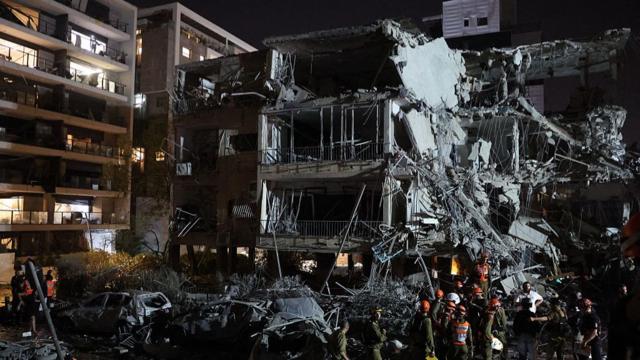
In a new escalation of tensions between Israel and Iran, Israel announced airstrikes on Iranian government infrastructure in the capital Tehran and other areas. Israeli forces confirmed that they are targeting strategic sites, warning Iranian citizens to stay away from railways or use trains.
In a swift reaction, Iran launched missiles at the city of Tel Aviv, reflecting the rising intensity of the conflict between the two sides. These events come at a sensitive time, as fears of a comprehensive military escalation in the region are increasing.
Details of the Incident
Reports indicate that the Israeli airstrikes targeted vital sites, including military facilities and logistical centers in Tehran. Israeli military sources confirmed that these operations are part of their efforts to curb Iranian activities that they consider a threat to Israeli national security.
On the other hand, Iran launched missiles at Tel Aviv, marking an unprecedented escalation in the exchange of strikes between the two sides. Images circulated on social media showed damage to some buildings, but there were no reports of casualties.
Background & Context
The roots of the conflict between Israel and Iran date back decades, with Israel viewing Iran as a major threat in the region due to its nuclear program and support for armed groups in Lebanon and Syria. In recent years, tensions have significantly increased, especially after the United States withdrew from the Iranian nuclear agreement.
Iran seeks to enhance its influence in the region, while Israel attempts to prevent any Iranian advances that could threaten its security. This ongoing conflict reflects the complex geopolitical tensions in the Middle East.
Impact & Consequences
These events could lead to greater military escalation, as Iran is likely to respond to the Israeli airstrikes with further attacks. The escalation may also affect regional stability, increasing the likelihood of an all-out conflict.
Concerns are growing that these developments could have negative repercussions on the regional economy, as trade and transportation in the area could be significantly impacted.
Regional Significance
Neighboring Arab countries, such as Lebanon and Syria, are on high alert due to these developments. Any military escalation could destabilize these countries, increasing civilian suffering and affecting the humanitarian situation.
These events may also raise concerns among other Arab nations, which seek to maintain their stability amid these rising tensions.
The current escalation between Israel and Iran highlights the complex security challenges in the region and underscores the urgent need for diplomatic efforts to reduce tensions and ensure stability.