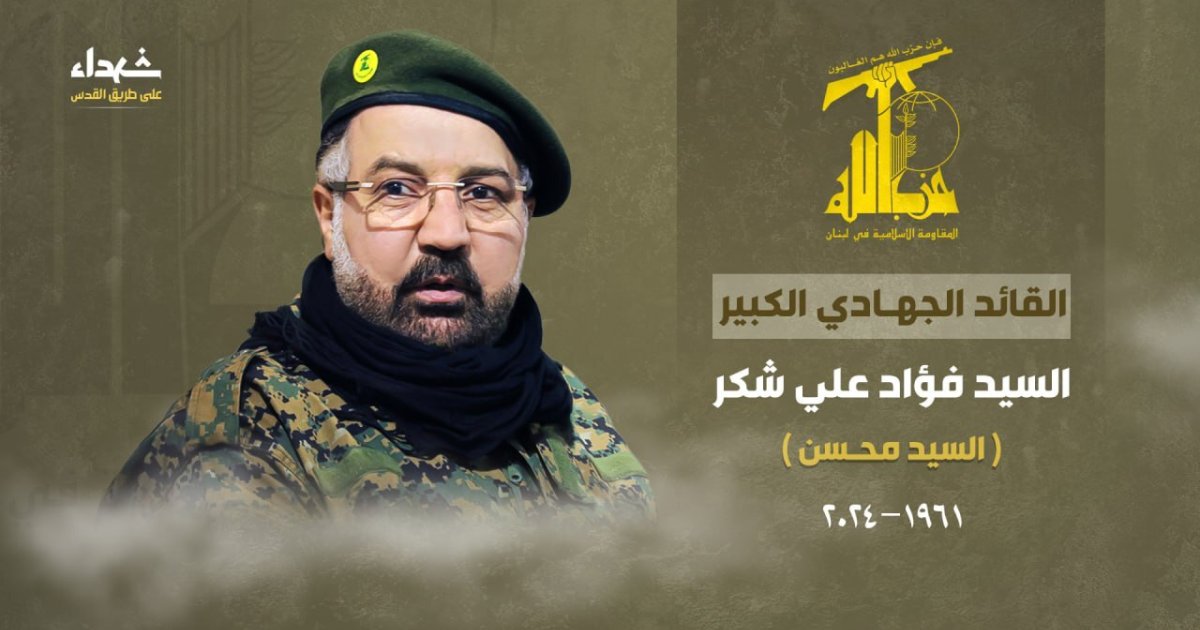
In a controversial move, the Israeli army has announced the assassination of the commander of Hezbollah's Radwan Unit, raising questions about the potential consequences of this operation. These developments come amid escalating tensions between Israel and Hezbollah, as the targeted unit commander is considered one of the most prominent military figures in the organization.
The Radwan Unit is regarded as an elite unit within Hezbollah and has played a pivotal role in military operations against Israel. The Israeli army indicated that the operation was carried out with high precision, based on accurate intelligence. This announcement reflects an Israeli strategy aimed at undermining Hezbollah's capacity to conduct hostile operations.
Details of the Assassination
According to reports, the assassination took place in an area near the Lebanese border, where Israeli forces targeted the unit commander during his movements. Images circulated on social media showed the destruction left by the operation, reflecting the intensity of Israeli attacks.
Hezbollah's leadership has not issued any official comment yet, but it is expected that they will take retaliatory steps in response to this aggression. The assassination is part of a series of operations targeting Hezbollah leaders, aimed at diminishing their influence in the region.
Background & Context
Historically, relations between Israel and Hezbollah have seen increasing tensions, especially after the 2006 war. Since then, Israel has taken numerous military actions against Hezbollah-affiliated targets in an effort to curtail their military capabilities. The assassination of military leaders is part of a broader Israeli strategy aimed at achieving military superiority in the region.
Hezbollah, established in the 1980s, is one of the most prominent armed factions in Lebanon and has significant influence on the political and military landscape. Regional conflicts, such as the war in Syria, have enhanced the party's military capabilities, complicating the security situation in the area.
Impact & Consequences
The assassination could lead to heightened tensions between Israel and Hezbollah, threatening stability in Lebanon and the broader region. Hezbollah is expected to respond to this operation, potentially leading to a new cycle of violence.
These developments may also affect relations among regional countries, as other powers could intervene in the conflict, further complicating the situation. Israeli military actions may provoke reactions from countries like Iran, which supports Hezbollah, escalating the conflict.
Regional Significance
These events are particularly significant for the Arab region, reflecting the ongoing conflicts between armed factions and states. Such developments could increase divisions in the region and exacerbate humanitarian crises, especially in Lebanon.
Moreover, military escalation could impact peace efforts in the area, as the international community seeks to achieve lasting stability. The continuation of these conflicts may worsen the economic and social conditions in the affected countries.
In conclusion, the assassination of the commander of Hezbollah's Radwan Unit represents a significant event that could have serious implications for regional security. The international community must closely monitor developments and work to prevent escalation in the region.