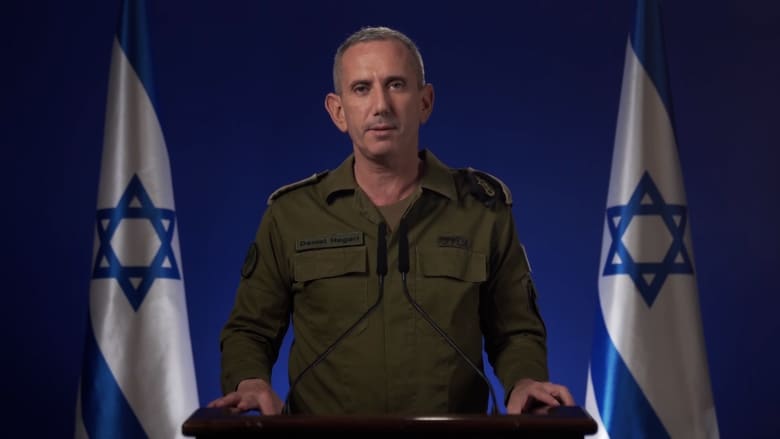
On Thursday, the Israeli army declared that it had "completed a wide wave of strikes" across Iranian territory. These statements come at a time when tensions between Israel and Iran are escalating, with these strikes viewed as part of a broader Israeli strategy to counter the threats posed by Iran to its national security.
The Israeli strikes, the precise details of which have not been disclosed, are part of an ongoing escalation between the two sides, with Israel accusing Iran of supporting armed groups in the region and developing a nuclear program that is considered a direct threat to it. These strikes are believed to target military and strategic sites in Iran, further intensifying tensions in the Middle East.
Details of the Event
While Israel has not revealed specific details about the targeted sites or the damage caused by these strikes, official statements indicate that the operation was part of ongoing efforts to weaken Iranian military capabilities. These strikes coincided with warnings from Israeli officials about the increasing threats posed by Iran, especially in light of its continuing nuclear program.
This move follows a series of military skirmishes between the two sides, with previous reports of cyberattacks and mutual intelligence operations. This military escalation demonstrates that both parties are willing to go far in their conflict, which could lead to severe consequences for regional security.
Background & Context
Historically, relations between Iran and Israel have been tense since the Islamic Revolution in 1979. These relations have seen a notable escalation in recent years, particularly with the rise of Iranian threats in the region and its support for groups like Hezbollah in Lebanon. Additionally, the Iranian nuclear program is a major point of contention, as Israel fears that this program could lead to the development of nuclear weapons that threaten its existence.
In recent years, Israel has conducted several military operations against Iranian targets in Syria, where Iran is believed to use Syrian territory as a base for its military operations. These strikes indicate that Israel does not hesitate to take direct military action against Iran, even if these operations extend beyond Syrian borders.
Impact & Consequences
The recent strikes may lead to further escalation in the conflict between Iran and Israel, potentially plunging the region into a cycle of violence. There are fears that Iran may respond to these strikes with retaliatory operations, either through direct attacks or via its proxies in the region. This dynamic could increase tensions in countries like Iraq, Syria, and Lebanon, where armed groups linked to Iran are present.
Moreover, these developments may impact international relations, as Iran is viewed as a major supporter of terrorism in the region. These strikes could bolster the position of the United States and its allies in pressuring Iran to curb its military activities, but they may also complicate diplomatic dialogue efforts.
Regional Significance
The Israeli strikes in Iran serve as a wake-up call for Arab countries, highlighting that the conflict in the region may accelerate unexpectedly. Arab nations experiencing internal and external tensions may find themselves in a difficult position, needing to take clear stances regarding the military escalation in the region.
Furthermore, these events could affect regional security, as there are concerns that they may lead to heightened conflicts in countries like Iraq and Syria, where armed groups linked to Iran operate. It is crucial for Arab states to remain vigilant regarding these developments and to work on strengthening their internal stability to face potential challenges.