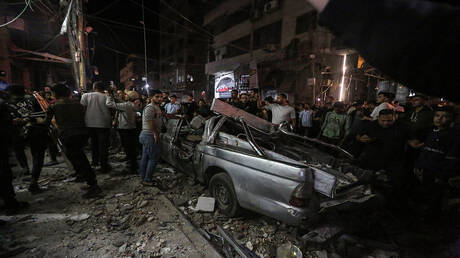
The Israeli army, in collaboration with the Shin Bet, has successfully assassinated Imad Hasan Hussein Aslim, the deputy commander of the Gaza City Brigade and commander of the Olive Battalion in the military wing of Hamas. This operation is part of a broader strategy aimed at undermining Hamas's military capabilities, targeting Aslim, who is considered a prominent figure within the organization. The operation was executed during a sensitive time, as tensions in the region are escalating.
According to official reports, the operation took place late at night, utilizing advanced techniques to ensure precision and minimize collateral damage. Military sources confirmed that the operation was meticulously planned and that the intelligence gathered was accurate. This targeted action follows a series of reciprocal attacks between Palestinian factions and the Israeli army, intensifying the tensions in the area. Reports indicate that Aslim played a significant role in planning military operations against Israel, making his targeting a priority for the Israeli army.
Details of the Operation
The operation was characterized by its careful execution, with Israeli forces employing cutting-edge technology to achieve their objectives. The timing of the operation is critical, as it coincides with rising violence and retaliatory strikes in the region. The assassination of Aslim is expected to have significant ramifications, not only for Hamas but also for the broader dynamics of the conflict.
This incident is part of an ongoing series of military confrontations that have marked the relationship between Israel and Palestinian factions, particularly Hamas. The escalation of violence has led to increased military operations, with both sides engaging in retaliatory strikes that further complicate the situation on the ground.
Background & Context
Historically, the Gaza Strip has witnessed an escalation in Israeli military operations against Hamas, especially following the increase in rocket attacks from the territory. Imad Aslim is recognized as one of the military leaders who contributed to enhancing Hamas's military capabilities, thereby making him a primary target for Israeli operations. The ongoing conflict has deep roots, with both sides entrenched in their positions, leading to a cycle of violence that has proven difficult to break.
These events occur amidst a growing humanitarian crisis in Gaza, where residents are suffering from dire living conditions due to the continuous blockade and military operations. The impact of these circumstances on civilian life is profound, complicating the already challenging situation in the region.
Impact & Consequences
The assassination of Aslim is likely to escalate tensions in Gaza, with Hamas potentially responding to this targeting with new military operations. This action may also affect the relationships among Palestinian factions, as some may seek to strengthen their positions by retaliating against Israeli attacks. The dynamics of internal Palestinian politics could shift as factions reassess their strategies in light of this significant event.
Furthermore, these developments may increase international pressure on Israel, as such operations could be viewed as violations of human rights. Reactions from the international community are anticipated, particularly from countries that support Palestinian rights, which could lead to diplomatic repercussions for Israel.
Regional Significance
These events highlight the ongoing Israeli-Palestinian conflict and its impact on security and stability in the region. The escalation of violence in Gaza could have repercussions for neighboring countries, increasing the likelihood of refugee flows or rising protests in Arab nations. The regional implications of this conflict extend beyond Gaza, affecting geopolitical dynamics and relationships among countries in the Middle East.
Additionally, these developments may complicate peace efforts in the region, as they could hinder negotiations between Palestinians and Israelis. The current circumstances may necessitate greater international intervention to achieve stability and address the underlying issues fueling the conflict.
In conclusion, the situation in Gaza remains complex, with military, political, and humanitarian dimensions intertwining. As the escalation continues, the hope for achieving peace appears increasingly distant.