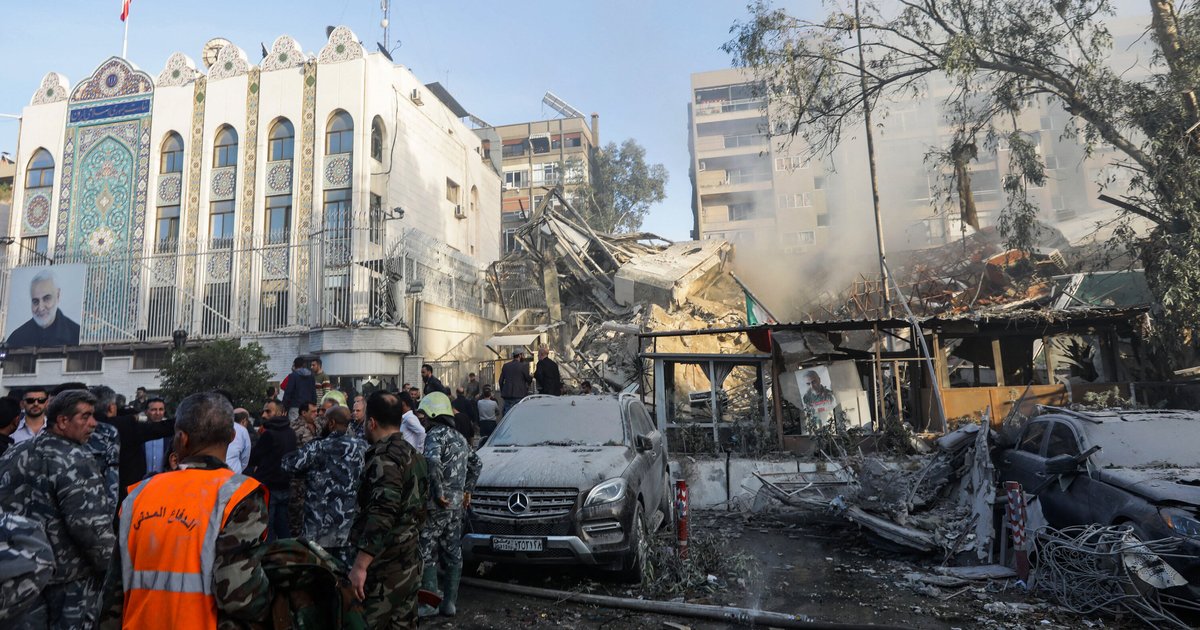
The Israeli army has announced that it has launched an attack on infrastructure in the Iranian capital, Tehran, underscoring the escalating tensions between Israel and Iran. The attack, which occurred late at night, comes amid increasing tensions in the region, where the two countries have been exchanging accusations regarding military activities.
Reports indicate that the attack targeted facilities believed to be linked to Iran's nuclear program, raising international concerns about Iran's ability to develop nuclear weapons. This strike follows a series of mutual threats between the two sides, with Iran asserting that it would not hesitate to respond to any aggression targeting its sovereignty.
Details of the Event
According to military sources, the Israeli attack targeted several sites in Tehran, including facilities believed to be used for military purposes. Iranian authorities have not disclosed specific details regarding the damage or casualties resulting from the attack, but initial reports suggest that significant damage has occurred to the targeted infrastructure.
In contrast, the Israeli army confirmed that this attack is part of its strategy to prevent Iran from developing its military capabilities, especially amid rising tensions in the region. Israeli officials have indicated that Iran poses a direct threat to Israel's security, necessitating preemptive measures.
Background & Context
Historically, relations between Israel and Iran have been marked by increasing tensions, particularly since the Iranian Revolution in 1979. Since then, Israel has viewed Iran as an existential threat, prompting it to take preemptive military actions on several occasions. In recent years, these tensions have escalated with the increase of Iranian military activities in the region, including its support for armed groups in Lebanon and Syria.
Additionally, the Iranian nuclear agreement signed in 2015, from which the United States withdrew in 2018, has heightened tensions. Israel believes that this agreement was insufficient to deter Iran from developing its nuclear program, leading it to carry out military operations against Iranian targets.
Impact & Consequences
The Israeli attack on Tehran could lead to significant escalation in the conflict between the two sides, with Iran expected to respond to this aggression in various ways, whether through direct attacks or via its proxies in the region. This escalation could impact regional stability and increase tensions among major powers in the area.
Moreover, this attack may affect international relations, as other countries might intervene in the conflict, complicating the situation further. This could lead to international calls for de-escalation, particularly from European nations seeking to revive the nuclear agreement with Iran.
Regional Significance
The Arab region could be significantly affected by this escalation, as any conflict between Israel and Iran may have security and economic repercussions for neighboring countries. Arab nations facing internal tensions may find themselves in a difficult position, as they might be compelled to take clear stances regarding this conflict.
Furthermore, the rising tensions between Israel and Iran could lead to increased divisions among Arab states, as their positions on this conflict may vary. This situation could impact peace and stability efforts in the region, exacerbating existing conflicts.
In conclusion, the situation in the region remains tense, as the Israeli attack on Tehran reflects the escalating tensions between the two sides, raising concerns about a larger escalation that could affect security and stability in the area.