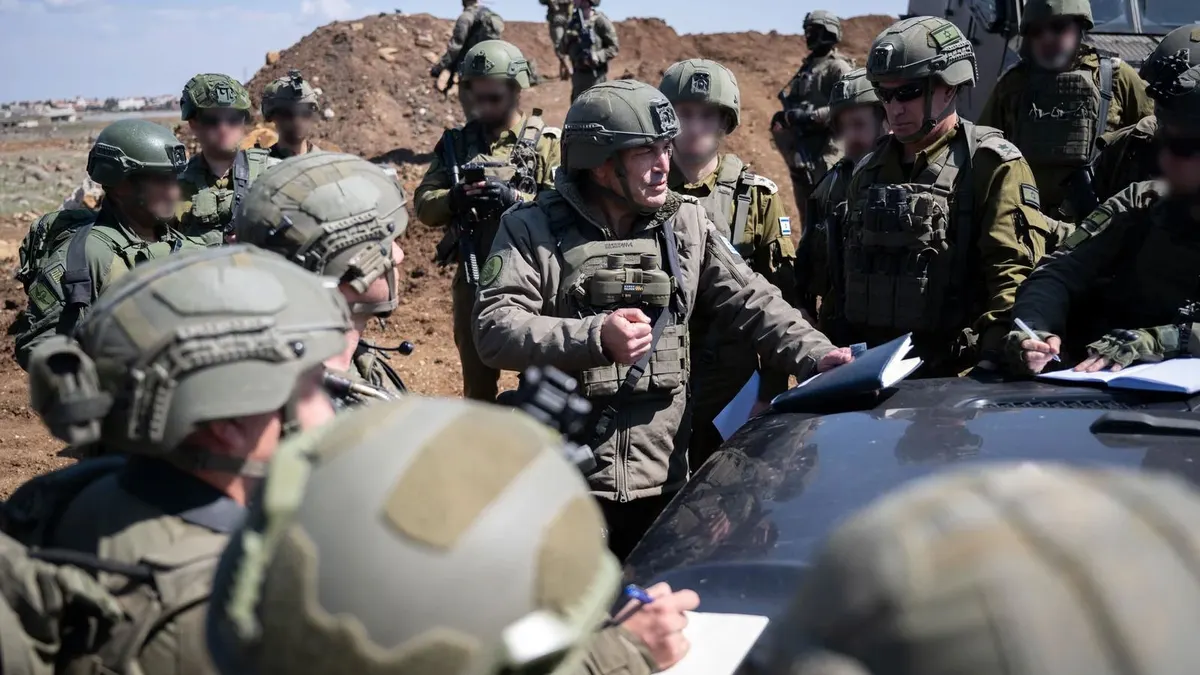
Israeli Army Chief Eyal Zamir stated on Wednesday that Iran has transformed from being just a front to now representing the heart of the 'Axis of Evil', indicating a rise in tensions between Tel Aviv and Tehran. These remarks come at a time when the region is experiencing increasing tensions, with heightened fears regarding Iranian activities in the Middle East.
Zamir's statements reflect a growing concern among Israeli authorities regarding Iran's expanding influence, which is viewed as a threat to Israeli national security. He noted that Iranian activities include supporting armed groups in the region, such as Hezbollah in Lebanon and Shiite militias in Iraq and Syria, complicating the security situation further.
Details of the Event
During his address, Zamir emphasized that Iran is seeking to expand its influence in the region, posing a threat not only to Israel but also to many Arab countries. He clarified that this influence is evident in its support for armed militias, which are utilized as tools to achieve its strategic objectives.
He also indicated that Israel will continue to take all necessary measures to counter this threat, including military and intelligence operations. These statements come at a sensitive time, as international pressure on Iran regarding its nuclear program is increasing, further complicating the security landscape in the region.
Background & Context
Historically, Iran and Israel have been in a state of tension, with Israel viewing Iran as an existential threat. Since the Islamic Revolution in 1979, relations between the two countries have taken a hostile turn, with Iran supporting numerous armed groups that Israel considers terrorist.
In recent years, tensions have escalated, particularly after the United States withdrew from the Iranian nuclear deal in 2018. This withdrawal led to heightened stances between Iran and Western countries, increasing Israel's concerns about the possibility of Iran acquiring nuclear weapons.
Impact & Consequences
Zamir's statements could lead to a new escalation in tensions between Iran and Israel, as Tehran may respond to these remarks with escalatory measures. Such escalation could impact stability in the region and increase the likelihood of new armed conflicts.
Additionally, these statements may affect relations between Israel and Arab countries, as some Arab nations seek to improve their ties with Iran, while others prefer to enhance cooperation with Israel to counter Iranian threats.
Regional Significance
Zamir's remarks signal increasing tensions in the region, potentially leading to greater divisions among Arab states. Some countries may find themselves in a difficult position between supporting Iran or aligning with Israel, complicating the political landscape further.
Moreover, the escalation in Israeli rhetoric may influence regional security, prompting some nations to bolster their military capabilities to address potential threats, thereby intensifying the arms race in the region.
In conclusion, the statements from the Israeli Army Chief reflect a shift in rhetoric towards Iran, heightening fears of a new escalation in tensions in the region. It remains to be seen how Iran will respond to these statements and whether they will lead to a greater escalation in security conditions.