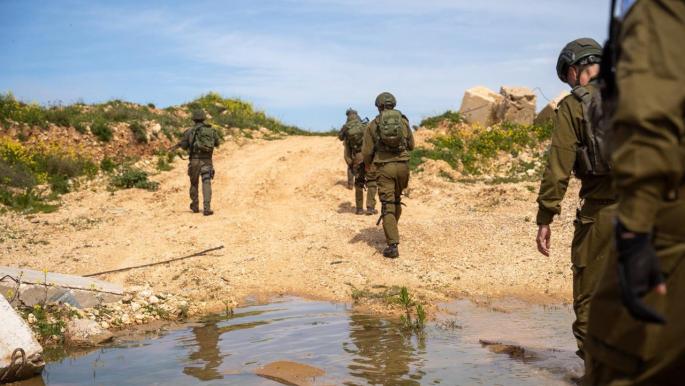
The Israeli army announced this morning, Tuesday, that it has completed its positioning on what is known as the 'anti-tank missile line' in southern Lebanon, marking a new step in the ongoing tensions between the Israeli occupation and Hezbollah.
This move comes at a time when the security situation in the region is experiencing a significant escalation, with increased warnings about the possibility of a new conflict. This positioning is seen as part of the occupation's strategy to enhance its defensive capabilities against any potential threats from the Lebanese side.
Details of the Positioning
According to data released by the Israeli army, this step represents part of a comprehensive plan to strengthen defenses along the northern border. It is believed that this positioning aims to secure vital areas that may be susceptible to attacks from armed groups, particularly Hezbollah, which possesses a stockpile of advanced missiles.
The Israeli preparations also include enhancing cooperation with international forces present in the region, reflecting the occupation's concerns over the rising military activities in Lebanon. Military officials have indicated that these movements are a response to increasing threats.
Background & Context
Historically, the Israeli-Lebanese border has witnessed recurring tensions, with the area being the stage for several armed conflicts. Since the 2006 war, which saw a significant escalation between the Israeli army and Hezbollah, tensions between the two sides have not ceased, rendering the security situation in the region fragile.
Impact & Consequences
In recent years, Hezbollah's military activities have increased, including the development of its missile capabilities, prompting the Israeli army to take proactive measures to bolster its defenses. This positioning is considered a crucial step in the context of the escalating tensions in the region.
Regional Significance
The implications of this military positioning extend beyond the immediate area, as it may influence the dynamics of power in the broader Middle East. The international community is closely monitoring these developments, as they could lead to a significant shift in regional stability.
In conclusion, the Israeli army's recent actions underscore the heightened state of alert in the region, with potential repercussions for both local and international security. The situation remains fluid, and continued vigilance is necessary to prevent further escalation.