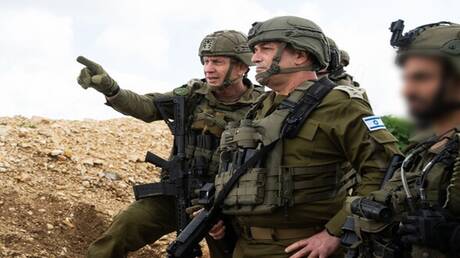
A report from Israeli Channel 12 has unveiled a rise in tensions in northern Israel, where residents are enduring continuous gunfire from Lebanon. Reports indicate that Hezbollah launched approximately 150 rockets towards Israeli settlements during the Passover holiday, raising significant concern within Israeli military and political circles.
This escalation occurs at a sensitive time, as the Israeli army seeks to assess the security situation in southern Lebanon. The report suggests that there is serious consideration to accelerate military operations in that area to counter the increasing threats.
Details of the Incident
Fears are growing that this escalation could lead to a new round of hostilities between Israel and Hezbollah. Statistics show that the number of rockets fired during the Passover holiday is the highest in a long time, reflecting the rising tensions between the two sides. Reports of injuries among Israeli civilians due to these attacks have further heightened anxiety within Israeli society.
Simultaneously, the Israeli army is demonstrating increased preparedness to confront any potential escalation, with reinforcements deployed in border areas with Lebanon. Intensive military drills have also been conducted in preparation for any emergency scenarios that may arise from this escalation.
Background & Context
Historically, the Israeli-Lebanese border has experienced recurring tensions, especially since the last war in 2006. Hezbollah, regarded as one of the prominent armed factions in Lebanon, possesses a substantial arsenal of weapons and rockets, making it a persistent threat to Israeli security. In recent years, numerous border incidents have occurred, leading to heightened tensions between the two parties.
These events unfold amid complex political circumstances in the region, where relations between Arab states and Israel are influenced by geopolitical changes, including developments in the Iranian dossier and the Palestinian conflict. All these factors contribute to creating a tense environment that could lead to greater military escalation.
Impact & Consequences
The escalation of military operations in southern Lebanon could have serious repercussions for regional security. An increase in military operations may provoke responses from Hezbollah, potentially dragging the region into a broader conflict. Furthermore, any escalation could affect relations between Lebanon and other Arab countries, especially in the presence of international powers seeking to mediate in the disputes.
On the internal Israeli front, this escalation may impact the political landscape, as the events could be used to justify tightened security measures or even larger military operations. Additionally, Israeli public opinion may be significantly affected, potentially leading to changes in government policies towards Lebanon and Hezbollah.
Regional Significance
This escalation represents a source of concern for Arab countries, as it may exacerbate security conditions in the region. Any military escalation could impact stability in Lebanon and increase the suffering of the Lebanese people, who are already grappling with severe economic and political crises.
Moreover, these events could influence peace efforts in the region, as many Arab countries strive for lasting stability. The ongoing tensions between Israel and Hezbollah could hinder these efforts and increase uncertainty in the area.
In conclusion, the situation in northern Israel and southern Lebanon appears to be heading towards further complexity, necessitating close monitoring by the international community. The military escalation could have far-reaching implications for regional security, calling for urgent measures to prevent a flare-up of hostilities.