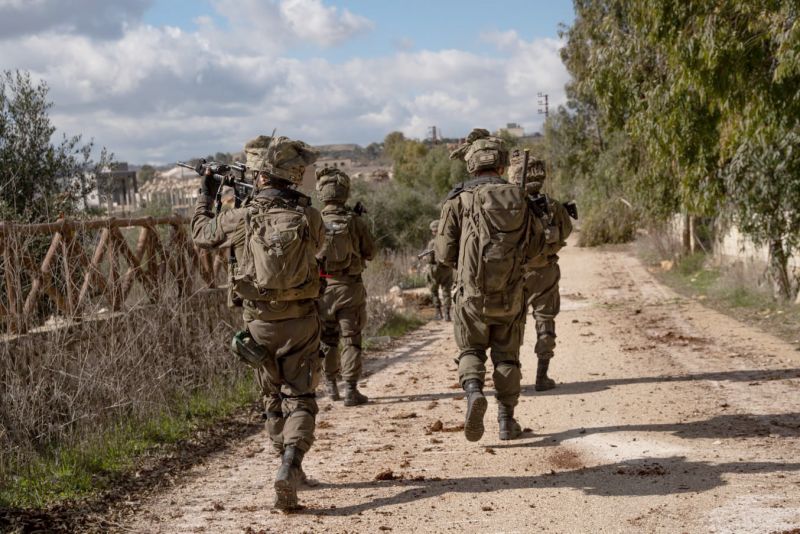
Israeli Defense Minister Yoav Katz announced that the Israeli army will remain in southern Lebanon after its military operations, maintaining its presence until the Litani River. This statement comes at a sensitive time marked by rising tensions between Israel and Hezbollah.
Katz's remarks reflect an Israeli strategy aimed at enhancing security in border areas, amid fears of a potential escalation in military actions. The minister confirmed that the army will work to prevent any threats that may arise from Lebanese territory, indicating that the presence of Israeli forces in the region will be essential to ensure stability and security.
Details of the Announcement
In a press conference, Katz explained that the military operations being conducted by the Israeli army aim to eliminate any potential threats from Hezbollah, which the Israeli army considers a primary enemy. He noted that the operations will continue until the specified objectives are achieved, and that Israeli forces will remain in the area to ensure that these threats do not return.
Katz also added that the Israeli army possesses the capability to respond quickly and effectively to any attacks that may target Israeli territory, reflecting the readiness of Israeli forces to confront any potential escalation. Recently, there has been an increase in military activities along the Israeli-Lebanese border, further heightening tensions in the region.
Background & Context
The roots of the conflict between Israel and Hezbollah extend back decades, with the region witnessing numerous military confrontations. Since the 2006 war, which saw significant escalation between the two sides, tensions have continued to rise, particularly with the increasing military activities of Hezbollah in southern Lebanon.
The Israeli military operations in Lebanon are part of a broader strategy aimed at addressing the security threats posed by armed groups in the region. In recent years, there has been an escalation in reciprocal attacks between Israel and Hezbollah, complicating the security situation in the area.
Impact & Consequences
Katz's statements raise concerns about a potential escalation in military actions between Israel and Hezbollah, which could have serious repercussions for regional security. If military operations continue, this may lead to increased tensions between Lebanon and Israel, affecting security and stability throughout the region.
Moreover, the continued presence of Israeli forces in southern Lebanon could provoke reactions from Hezbollah, which may view this as a threat to its sovereignty. This could contribute to escalating military actions, increasing the suffering of civilians in the area.
Regional Significance
Developments in southern Lebanon are of great importance to the Arab region as a whole, influencing relations between Arab countries and Israel. Any escalation in military actions could lead to interventions from other countries in the region, further complicating the security situation.
Additionally, the ongoing tensions between Israel and Hezbollah may impact peace efforts in the region, as many Arab countries seek to achieve lasting stability. This situation poses a significant challenge to diplomatic efforts aimed at achieving peace in the Middle East.
In conclusion, the situation in southern Lebanon remains under observation, with analysts expecting tensions between Israel and Hezbollah to persist, potentially leading to serious repercussions for security and stability in the region.