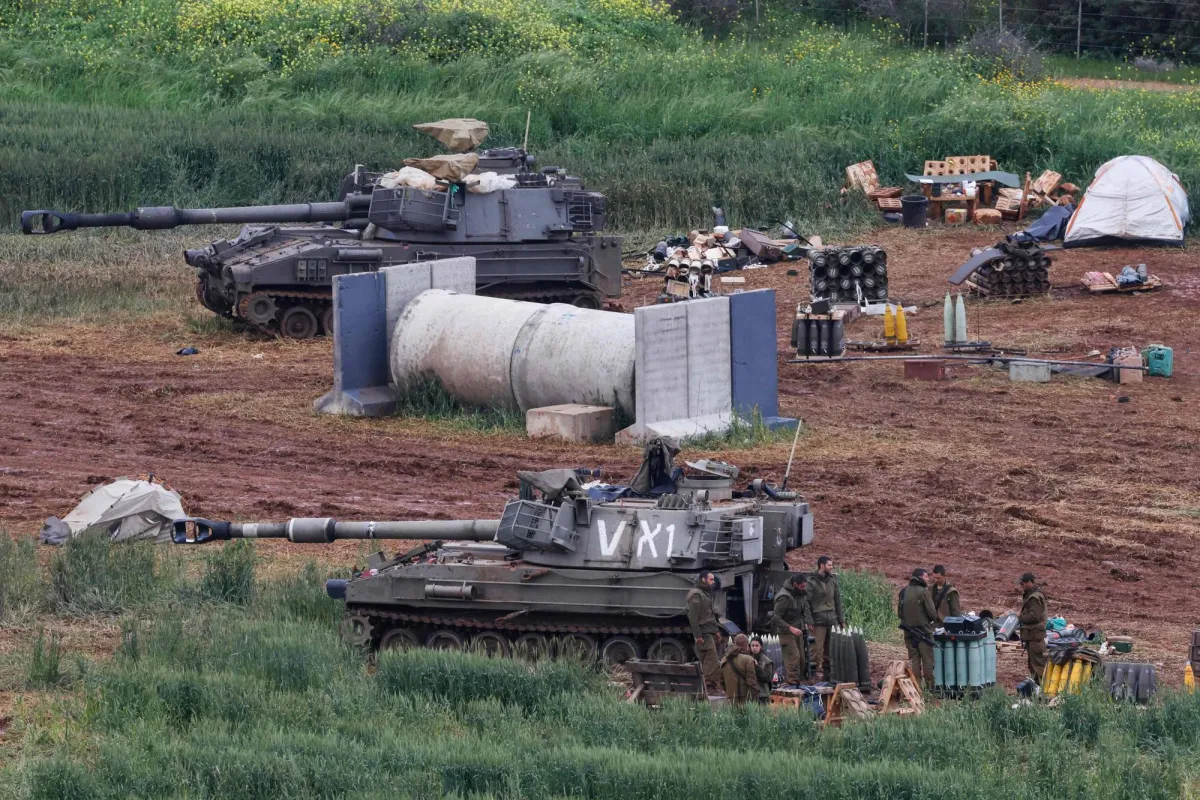
The Israeli army reported on Sunday that no negligence or shortcomings were recorded by the involved officers in the incident that led to the death of Israeli farmer Ofer Moskowitz, which occurred near the Lebanese border earlier this month. The incident, which has sparked widespread reactions, comes at a time when tensions between Israel and Hezbollah are rising.
In related developments, Israeli Prime Minister Benjamin Netanyahu ordered the army to expand the buffer zone along the border with Lebanon, a move aimed at containing any potential threats from Hezbollah fighters. Netanyahu confirmed in a video statement that the purpose of these measures is to prevent any attacks that could target Israel, including the launch of anti-tank missiles.
Details of the Incident
The incident involving the death of farmer Ofer Moskowitz, who was working in an area close to the border, has sparked significant debate within Israeli circles. Some quarters view the incident as a reflection of the deteriorating security situation in the region, while the army maintains that the incident was the result of unforeseen circumstances. The army has confirmed that comprehensive investigations are underway to ascertain the circumstances surrounding the incident.
At the same time, Israel continues its military operations in southern Lebanon, where clashes with Hezbollah fighters are escalating. These operations are part of an Israeli strategy aimed at enhancing security along the border, especially following an increase in missile attacks from Lebanon.
Background & Context
Historically, the border between Israel and Lebanon has witnessed ongoing tensions, with several wars and conflicts occurring between the two parties. Hezbollah, considered one of the most prominent armed factions in Lebanon, has long been in confrontation with Israel, particularly due to Iranian support for the group. The recent incident comes at a sensitive time, as fears of military escalation that could plunge the region into further chaos are increasing.
Since the beginning of the year, the area has seen a rise in reciprocal attacks, with Israel targeting Hezbollah sites in Lebanon, while the group has responded by launching rockets towards Israeli territory. This escalation reflects a state of instability in the region and complicates the security situation further.
Impact & Consequences
The expansion of the buffer zone may lead to increased tensions between Israel and Hezbollah, as this could provoke reactions from the group. Additionally, any military escalation could impact civilians in border areas, potentially leading to population displacement and increased humanitarian burdens.
Moreover, the increase in Israeli military spending, which is expected to exceed $10 billion, may affect other budgets such as education and health. This move reflects the priorities of the Israeli government in light of rising security threats, but it may lead to public discontent due to the reduction of essential services.
Regional Significance
The repercussions of this incident extend beyond Israeli borders, affecting the stability of the region as a whole. The escalation between Israel and Hezbollah could draw other countries into the conflict, threatening regional security. Furthermore, ongoing tensions may impact relations between Arab countries and Israel, especially amid normalization attempts being witnessed by some nations.
In conclusion, the situation along the Israeli-Lebanese border remains tense, with political and military circles closely monitoring any new developments that may affect regional security. The recent incident highlights the ongoing challenges Israel faces in its security policy and underscores the necessity for diplomatic solutions to avoid further escalation.