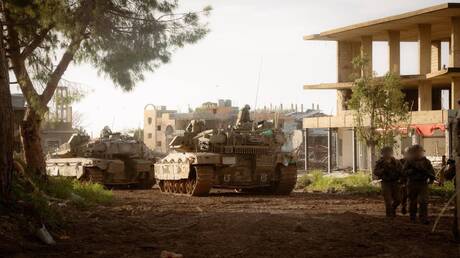
The Israeli army has announced that the Golani Brigade is intensifying its military activities in southern Lebanon, successfully destroying over 300 facilities linked to Hezbollah. These operations are part of the army's efforts to strengthen the security zone in the region, amidst escalating tensions between the two parties.
This move is considered part of a broader Israeli strategy aimed at reducing Hezbollah's influence in southern Lebanon, which the Israeli army views as a threat to national security. Images and videos released by the army showcase the extent of the destruction inflicted on the targeted facilities, reflecting the intensity of the military pressure exerted by Israel.
Details of the Operations
Israeli forces continue their operations in border areas, focusing attacks on sites believed to be used for weapon storage or as launch bases for military operations. Reports indicate that these operations were conducted with advanced intelligence support, aiding in the precise identification of targets.
The army also noted that these operations are a response to the increasing threats posed by Hezbollah, which is regarded as one of the most prominent armed factions in Lebanon. Israel has issued multiple warnings to Hezbollah, asserting that it will not hesitate to take stringent measures against any threats to its security.
Background & Context
Historically, the Israeli-Lebanese border has witnessed recurring tensions, with Hezbollah playing a key role in the conflict. Since the 2006 war, which resulted in widespread destruction in Lebanon, clashes between the two sides have persisted, making the region one of the most volatile areas in the Middle East.
Israel has consistently sought to diminish Hezbollah's influence, which enjoys significant Iranian support. In recent years, Israel has increased its military operations against Hezbollah-linked targets in Syria and Lebanon, reflecting a broader strategy to counter regional threats.
Impact & Consequences
These operations could lead to an escalation of tensions in the region, as Hezbollah may retaliate with counterattacks against Israeli forces. Such escalation could affect stability in Lebanon and increase the suffering of civilians living in border areas.
The continuation of military operations may also provoke international reactions, as some countries seek to de-escalate the situation in the region. These events could lead to diplomatic interventions by the international community, especially from nations striving for peace in the Middle East.
Regional Significance
The events in southern Lebanon are part of the larger picture of conflicts in the Middle East, where regional and international interests intersect. These operations may impact relations between Arab countries and Israel, particularly amid attempts by some nations to normalize relations with Israel.
Furthermore, rising tensions could affect the economic situation in Lebanon, which is already grappling with multiple crises. Military operations may exacerbate humanitarian conditions, increasing pressure on the Lebanese government.
In conclusion, the situation in southern Lebanon remains tense, with the Israeli army continuing its military operations against Hezbollah. All eyes are on the potential reactions from the party and what the future may hold for the region.