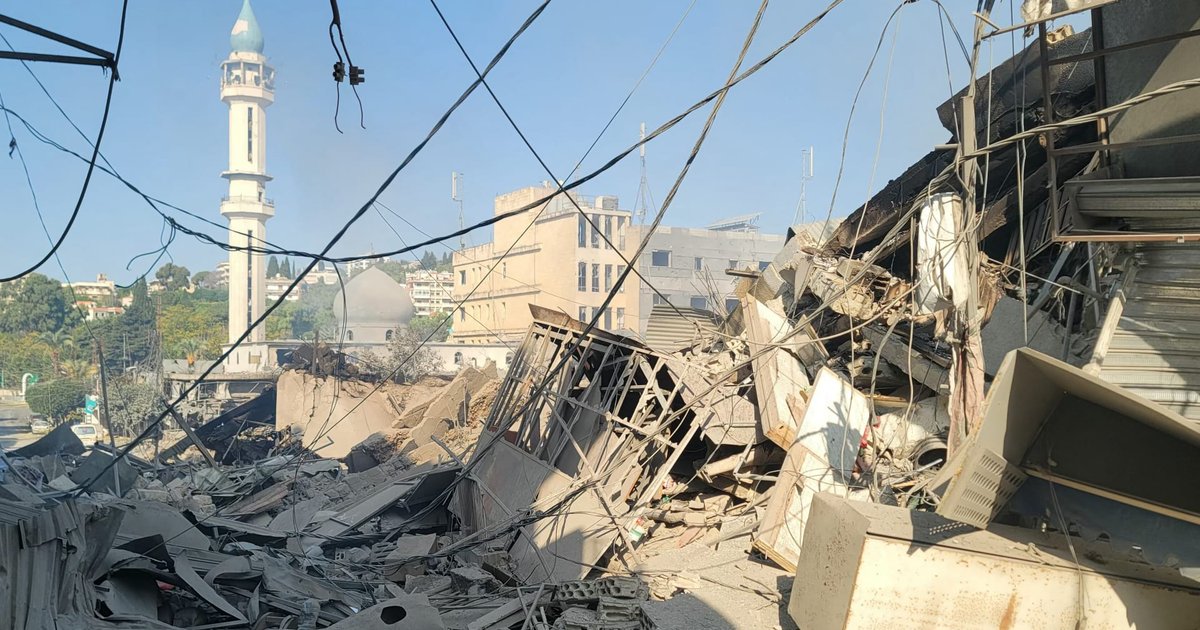
Local reports indicate that the Israeli army continues to carry out military operations aimed at isolating southern Lebanon, a stronghold of Hezbollah, from the rest of the country. The destruction of key bridges has led to road blockages, making access to the capital, Beirut, extremely difficult for local residents and displaced individuals.
This development is particularly alarming, as around 20,000 people live in Tyre alone, including displaced individuals from other areas, who are suffering from severe shortages of basic supplies. With the bridges destroyed, they have only one route left to reach the capital, raising their concerns about the possibility of receiving humanitarian aid.
Details of the Incident
These Israeli actions come at a sensitive time, as the region has been experiencing increasing tensions since the onset of the recent conflict. Reports have noted that Israeli forces are employing new tactics aimed at undermining Hezbollah's ability to move and communicate, further intensifying the conflict in the area.
Images circulated on social media show the devastation left by military operations, with infrastructure severely damaged, reflecting the extent of suffering endured by civilians in this region. The humanitarian situation is deteriorating rapidly, as residents face difficulties in obtaining food, water, and healthcare.
Background & Context
Historically, southern Lebanon has been a theater for conflicts between Israel and Hezbollah, witnessing numerous wars and armed disputes. Since the withdrawal of Israeli forces from Lebanon in 2000, the region has remained under Hezbollah's influence, which many Lebanese view as a resistance force against occupation.
In recent years, tensions between Israel and Hezbollah have escalated, particularly following recent events in the region. These tensions have heightened fears of a new war, placing civilians in an extremely precarious position.
Impact & Consequences
The repercussions of these events extend beyond Lebanese borders, affecting regional stability as a whole. Isolating southern Lebanon from the rest of the country could exacerbate the humanitarian situation, placing additional pressure on the Lebanese government, which is already grappling with economic and political crises.
Moreover, the continuation of Israeli military operations may provoke reactions from other countries in the region, complicating the security situation further. Any escalation in the conflict could lead to unforeseen consequences for regional security and increase tensions between neighboring countries.
Regional Significance
The events in Lebanon are part of a larger picture of conflicts in the Arab region, where political and military interests intersect. The situation in Lebanon affects relations between Arab countries and reflects the challenges faced by the region in dealing with ongoing crises.
Under these circumstances, Arab nations must collaborate to provide support to Lebanon and work towards alleviating civilian suffering. The current situation requires an urgent response from the international community to ensure the protection of civilians and the provision of necessary humanitarian aid.