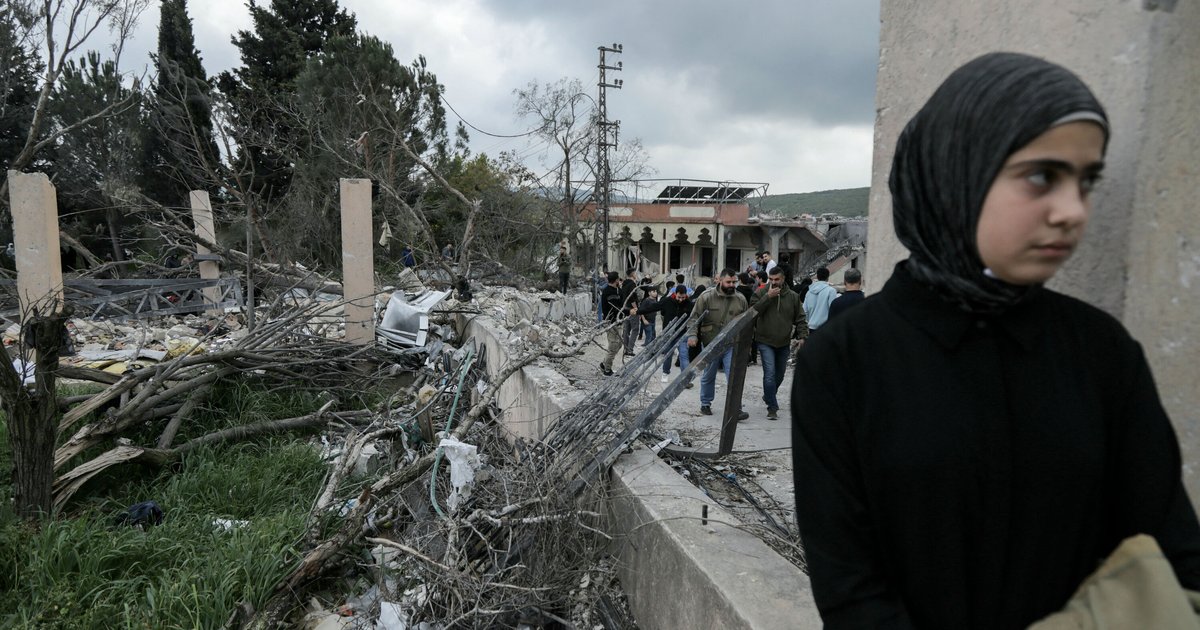
In a notable shift, the Israeli army has stated that disarming Hezbollah is not a primary goal in the current war on Lebanon, indicating that achieving this aim would necessitate a complete occupation of Lebanese territory.
This statement comes at a time when tensions in the region are escalating, as previous threats had suggested the Israeli army's intention to take direct military action to disarm the party. However, it seems the army has reassessed its strategies under the current circumstances.
Details of the Event
According to Hebrew media reports, the Israeli army has retracted some previous threats that indicated a possibility of using force to disarm Hezbollah. Instead, it has been emphasized that current military operations are not directly targeting the disarmament of the party, but rather focus on achieving other objectives related to Israeli security.
The statements came after a military escalation in the region, where repeated clashes have been witnessed along the Lebanese-Israeli border. It appears that the Israeli army is seeking to avoid entering into a comprehensive conflict that could lead to greater repercussions than anticipated.
Background & Context
Hezbollah, which is considered a terrorist organization by the Israeli occupation, possesses an arsenal of weapons that raises concerns for the Israeli government. Over the years, there have been numerous Israeli attempts to disarm the party, but these attempts have failed to achieve their goals.
Historically, relations between Israel and Hezbollah have seen increasing tensions, especially after the 2006 war that led to widespread destruction in Lebanon. Since then, the party has become an integral part of the political and military landscape in Lebanon, making it difficult for any external force to achieve its disarmament objectives.
Impact & Consequences
The Israeli army's retreat from its previous threats may have significant implications for the security situation in the region. This could lead to a de-escalation of tensions along the border, but at the same time, it may encourage Hezbollah to enhance its military capabilities.
Moreover, this change in Israeli strategy could affect relations with other countries in the region, particularly those that support Hezbollah. Israeli statements may provoke reactions from the party's allies, further complicating the security situation in the area.
Regional Significance
The current developments in Lebanon are part of a broader picture concerning security and stability in the Arab region. Ongoing conflicts in the Middle East, including disputes in Syria and Iraq, directly impact the situation in Lebanon.
Any military escalation in Lebanon could have repercussions for neighboring countries and heighten tensions among regional powers. Additionally, the situation in Lebanon may influence peace and stability efforts in the region, necessitating greater international attention.
In conclusion, it appears that the Israeli army has reassessed its strategy towards Hezbollah, reflecting the complexities of the security situation in the region. As tensions continue, the outlook remains uncertain, calling for careful monitoring of upcoming developments.