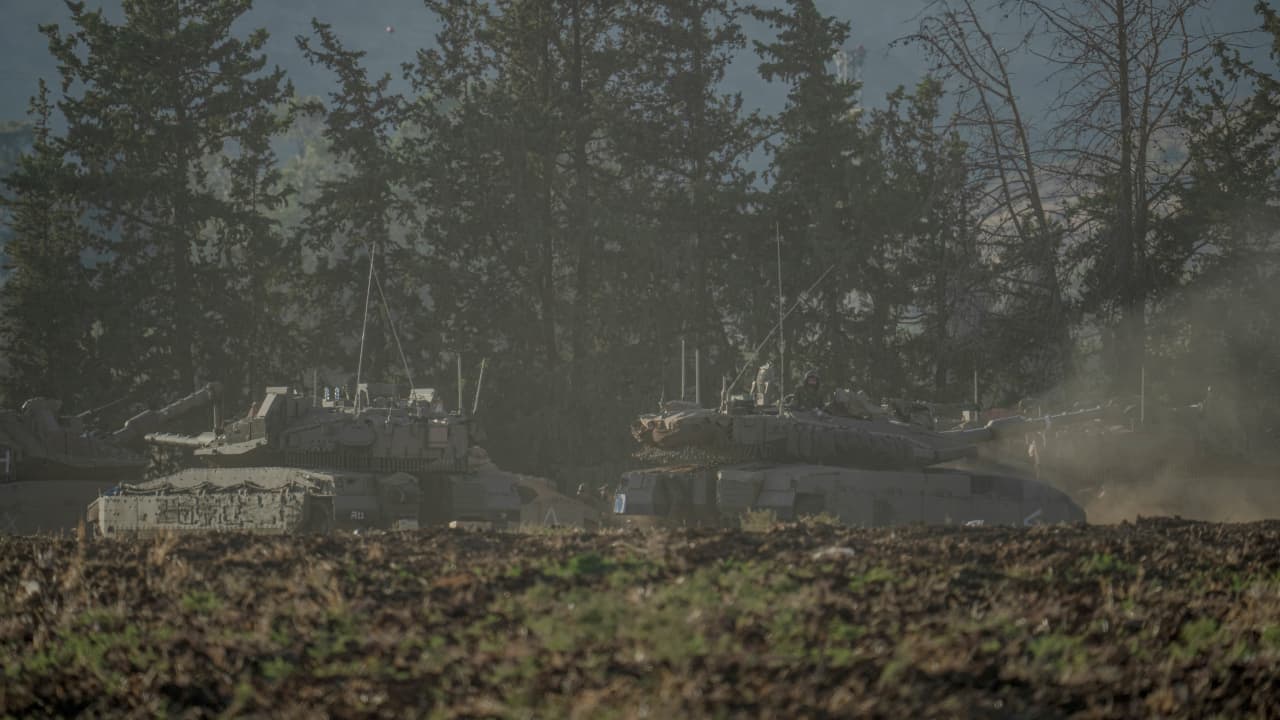
The Israeli army has announced an enhancement of its forces in southern Lebanon, with the 162nd Brigade joining the 91st and 36th Brigades in a move aimed at expanding the ground incursion. These developments come at a time when the security situation in the region is witnessing a noticeable escalation, raising concerns among local residents and neighboring countries.
This step is part of a military strategy aimed at strengthening Israeli control in border areas, especially amid ongoing tensions with Hezbollah. Israeli military reports have detected suspicious movements along the border, prompting the army to take these precautionary measures.
Details of the Event
The 162nd Brigade, which has recently joined military operations, is considered one of the elite units in the Israeli army, equipped with advanced technology and high combat capabilities. This military expansion follows a series of intermittent clashes between Israeli forces and Hezbollah fighters, further intensifying tensions in the region.
At the same time, local sources have reported that Israeli shelling on certain sites in southern Lebanon has caused significant damage, leading to the displacement of some families from border areas. These events raise fears of a larger escalation in the conflict, especially with international calls for de-escalation.
Background & Context
Historically, the Lebanese-Israeli border has witnessed ongoing tensions, as this area is considered a flashpoint for military conflicts. Since the July 2006 war, which saw a significant escalation between Hezbollah and Israel, clashes have not ceased entirely, leaving the security situation fragile.
Through these movements, Israel seeks to bolster its strategic position against Hezbollah, which the Israeli army views as a major threat to its national security. In turn, Hezbollah continues to enhance its military capabilities, complicating the security landscape in the region.
Impact & Consequences
The expansion of the Israeli incursion into southern Lebanon could lead to greater military escalation, threatening the stability of the entire region. This move may provoke strong reactions from Hezbollah, which might feel compelled to respond to these military maneuvers.
Moreover, military escalation could affect relations between Lebanon and Israel and increase political pressure on the Lebanese government, which is already facing internal and external challenges. This situation may exacerbate humanitarian crises in the region, where many residents live under difficult conditions.
Regional Significance
The developments in southern Lebanon are of great importance to the Arab region as a whole, reflecting the ongoing tensions between Israel and Hezbollah and their broader implications for regional security. These events may influence relations between Arab countries and Israel, especially amid attempts by some nations to normalize relations with Israel.
In conclusion, the situation in southern Lebanon remains under observation, with expectations that tensions will continue to rise, necessitating international intervention to calm the situation and prevent the outbreak of conflict.