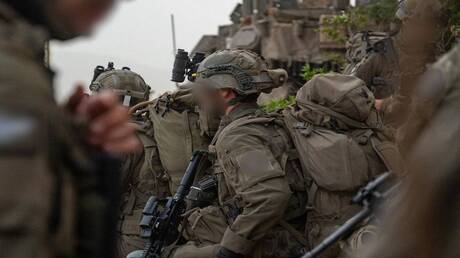
The Israeli army has announced the expansion of its ground operations in southern Lebanon, with the 98th Division joining the ongoing military efforts. This expansion comes at a critical time as Israeli forces seek to achieve additional objectives in the region, alongside operations from other divisions such as 91, 36, 146, and 162.
This step is part of the military escalation witnessed along the Lebanese-Israeli border, where military operations have increased recently, raising international concerns about the security situation in the area. Reports indicate that Israeli forces are targeting sites associated with Hezbollah, complicating the security landscape in Lebanon.
Details of the Event
The Israeli military operations in southern Lebanon are not new, but the inclusion of the 98th Division reflects a potential new strategy that Tel Aviv may adopt. This division is known for its high combat capabilities, underscoring Israel's seriousness in achieving its military objectives.
These operations coincide with rising tensions in the region, with the international community closely monitoring the situation. Images and videos circulating on social media have showcased some military operations, highlighting the scale of the escalation occurring in the area.
Background & Context
Historically, the Lebanese-Israeli border has seen numerous armed conflicts, with Hezbollah being a key player in this region. Since the 2006 war, there have been repeated attempts by Israel to curb Hezbollah's influence, but these efforts often lead to escalated violence.
In recent years, tensions between the two sides have increased due to several factors, including disputes over maritime and land borders, as well as the volatile regional situation. Israel's engagement in new military operations could have severe consequences for regional security.
Impact & Consequences
The military escalation in southern Lebanon could lead to serious ramifications for regional security. This may increase tensions between Lebanon and Israel, potentially leading to a broader conflict. Additionally, military operations could adversely affect civilians in the area, exacerbating their suffering.
Moreover, these operations may impact Lebanon's relations with other countries, especially those that support Hezbollah. The continuation of military actions could prompt some nations to reassess their relationships with Lebanon, further complicating the political situation in the region.
Regional Significance
The situation in southern Lebanon has direct implications for neighboring Arab countries. The military escalation could lead to a flow of refugees into adjacent nations, increasing pressure on these countries. Furthermore, any escalation could affect stability across the entire region, negatively impacting both the economy and security.
The situation in Lebanon reflects the challenges faced by Arab nations in dealing with armed conflicts. It may be necessary for Arab countries to collaborate more closely to prevent the escalation of disputes and provide support to affected nations.
In conclusion, the situation in southern Lebanon remains under close observation, with growing concerns about the implications of Israeli military operations. It is crucial that both international and local efforts are combined to mitigate escalation and ensure the safety of civilians in the region.