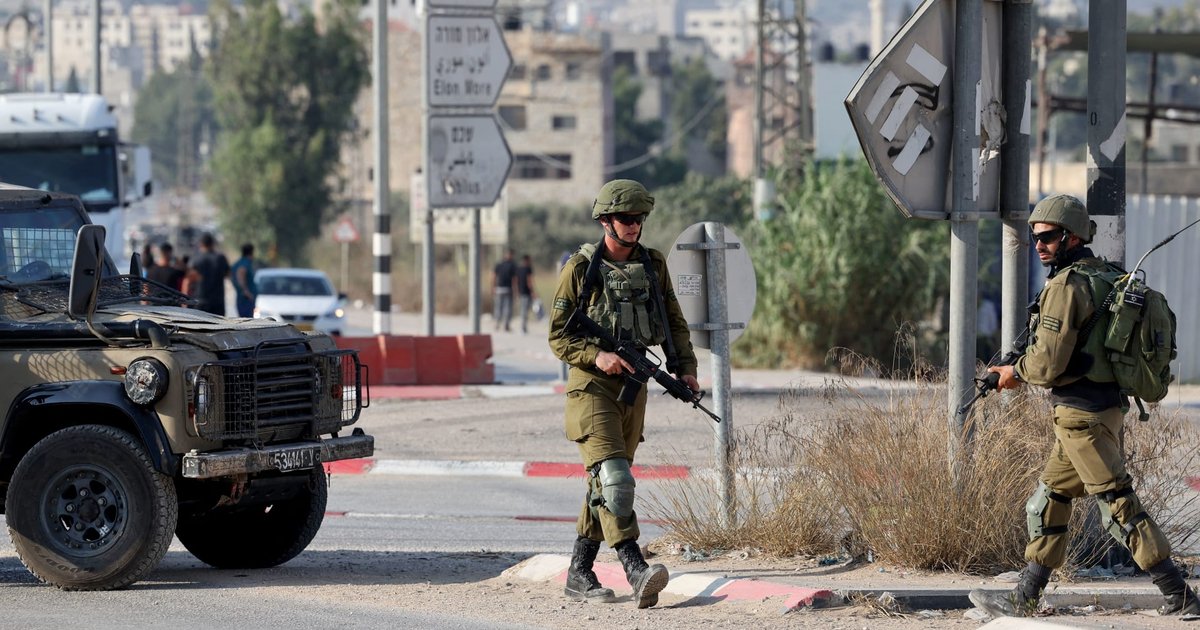
The Israeli army has announced an expansion of its occupation to cover 59% of the Gaza Strip, amidst preparations to resume military operations against Palestinians. Since October 7, 2023, Gaza has been experiencing a genocide that has resulted in the deaths of over 72,000 Palestinians and injuries to more than 172,000 others, most of whom are women and children.
These developments come at a time when pressure is increasing on the Israeli government from senior officials, who are calling for more severe actions against Palestinians. An Israeli army radio report indicated that there are intensive preparations to resume military operations, raising international community concerns about the escalation of violence in the region.
Details of the Military Operations
In the context of military escalation, Israeli military sources confirmed that the army plans to carry out new operations aimed at controlling more Palestinian territories. The past few days have witnessed a noticeable increase in military activity, including airstrikes and ground operations, leading to a deterioration of humanitarian conditions in Gaza.
This step is considered part of a broader Israeli strategy aimed at eliminating what it describes as threats from Palestinian factions. The ongoing military actions have drawn widespread condemnation from various international organizations, which have called for an immediate ceasefire and the protection of civilians.
Background & Context
The conflict in Gaza has deep historical roots, with tensions escalating significantly in recent years. The Israeli government has justified its military actions as necessary for national security, citing ongoing rocket fire from Gaza and the need to dismantle militant infrastructure. However, critics argue that these operations disproportionately affect civilians and exacerbate the humanitarian crisis.
Since the beginning of the current conflict, the humanitarian situation in Gaza has deteriorated sharply, with shortages of food, water, and medical supplies becoming increasingly severe. The United Nations has warned that the situation could reach catastrophic levels if the violence continues.
Impact & Consequences
The escalation of military operations has had dire consequences for the civilian population in Gaza. The high number of casualties and injuries has overwhelmed local hospitals, which are struggling to cope with the influx of patients. Many families have been displaced, seeking refuge in overcrowded shelters.
Moreover, the psychological impact on the population, particularly children, is profound. Reports indicate that many children are suffering from trauma and anxiety due to the constant threat of violence and loss of loved ones. The international community has expressed alarm over the rising death toll and the urgent need for humanitarian assistance.
Regional Significance
The ongoing conflict in Gaza has significant implications for regional stability. Neighboring countries are closely monitoring the situation, fearing that the violence could spill over into their territories. Additionally, the conflict has reignited debates over the Israeli-Palestinian peace process, with many calling for renewed efforts towards a diplomatic resolution.
As the situation continues to evolve, the international community faces challenges in addressing the humanitarian crisis while also seeking to mediate a ceasefire. The complexity of the conflict, coupled with geopolitical interests, makes finding a solution increasingly difficult.