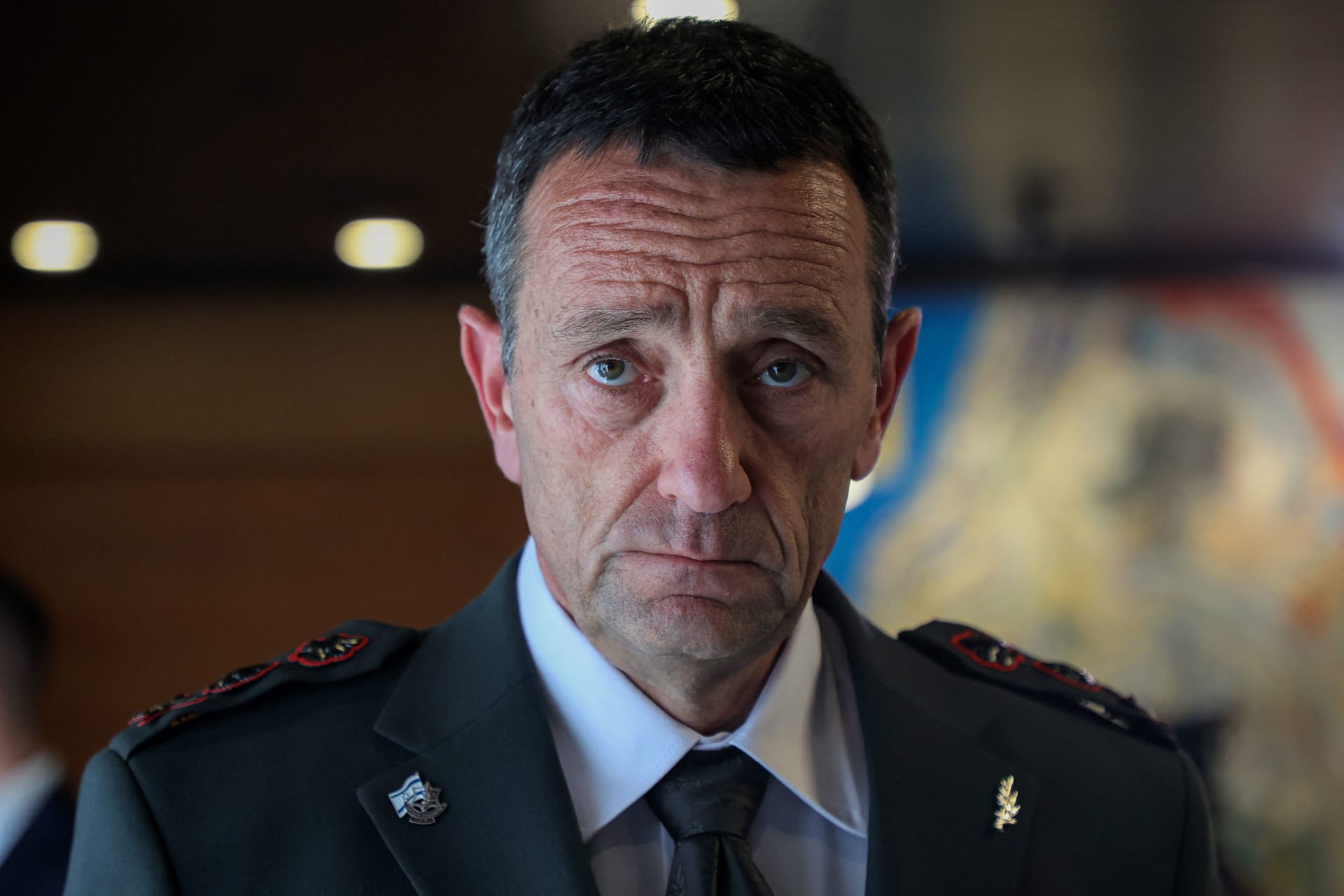
Informed sources have reported that the reserve forces of the Israeli army are facing significant challenges due to the escalating pressures they are under. These pressures, which have been intensifying over time, suggest that the army's capacity to continue military operations may be at risk.
This development comes at a sensitive time for Israel, as tensions in the region are rising, further increasing the strain on the armed forces. Experts have pointed out that the continuation of these pressures could have serious implications for Israeli national security.
Details of the Situation
Reports indicate that the reserve forces, which are considered the backbone of the Israeli army, are struggling to maintain the required performance levels. Polls have shown that many reservists feel exhausted and unable to continue serving, raising concerns about the army's ability to effectively carry out its missions.
In this context, military sources have confirmed that the Israeli army is seeking to bolster its forces by calling up more reservists; however, this may not be sufficient to meet the current challenges. Additionally, the psychological and social pressures faced by soldiers play a significant role in deteriorating their morale.
Background & Context
Historically, the Israeli army has heavily relied on reserve forces, which represent an essential part of its military strategy. However, ongoing tensions in the region, including conflicts with Palestinians and armed groups in Lebanon and Syria, have increased the pressures on these forces.
In recent years, Israel has witnessed a surge in military operations, leading to the depletion of reserve forces. Previous studies have shown that reservists are experiencing increasing psychological stress due to ongoing operations, which affects their ability to withstand challenges.
Impact & Consequences
If pressures on the reserve forces continue, this could lead to negative effects on Israeli national security. A decline in soldiers' morale may result in weakened military performance, exposing the country to greater risks in the face of external threats.
Moreover, the increasing pressures on reserve forces could lead to rising discontent among soldiers and their families, which may negatively impact Israeli society as a whole. This dynamic could erode trust in the military institution, which is considered dangerous in the context of the ongoing conflict in the region.
Regional Significance
These developments are of significant importance to the Arab region, as they reflect the challenges faced by the Israeli army under current conditions. Increased pressures on reserve forces may lead to changes in military strategies, affecting the balance of power in the region.
Additionally, the deterioration of the Israeli military situation could open the door for Palestinian factions and other armed groups to strengthen their positions, complicating the conflict in the region. Under these circumstances, tensions between Israel and its neighbors may escalate, threatening regional stability.
In conclusion, the situation in the region remains tense, and it appears that the pressures on the Israeli army will continue to impact its military strategies. It will be important to monitor developments in this issue and their implications for regional security.