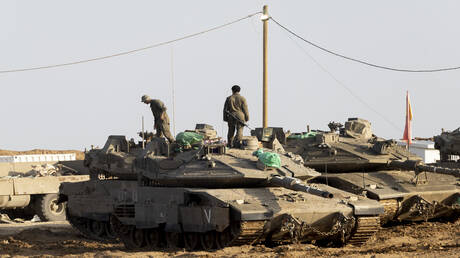
A senior officer in the Israeli army has revealed that Chief of Staff General Eyal Zamir's statements regarding the urgent need to bolster troop numbers reflect a genuine crisis threatening the army's stability. The current situation necessitates immediate intervention to prevent a collapse of forces.
These statements come at a highly sensitive time for the Israeli army, which is facing multiple challenges on various fronts. The officer noted that the shortage of soldiers could negatively impact the army's ability to carry out its missions effectively, increasing security risks in the region.
Details of the Situation
In remarks made by General Zamir, he emphasized that the army is in dire need of additional soldiers, warning that the current situation could lead to a complete collapse if swift action is not taken. These statements have raised significant concern within military and political circles in Israel, as the shortage of soldiers is considered one of the biggest challenges facing the country at present.
The officer also indicated that the Israeli army may need to reconsider its military strategies, including increasing recruitment and expanding training programs, to ensure that forces are prepared to face potential threats. This crisis appears to be a result of changes in military policies and strategies in Israel over recent years.
Background & Context
Historically, the Israeli army has experienced periods of soldier shortages, particularly during security crises. However, the current situation seems more acute, as threats from various entities, including armed groups in Gaza and Lebanon, are on the rise. This has led to increased pressure on the Israeli government to make swift and effective decisions.
Demographic changes within Israeli society, including declining recruitment rates among youth, have also contributed to exacerbating this crisis. The army faces challenges in attracting new recruits, making it more difficult to maintain an effective military force.
Impact & Consequences
If this crisis is not addressed urgently, it could lead to serious implications for Israeli national security. A shortage of soldiers may weaken the army's ability to respond to threats, potentially worsening security conditions in the region. This situation could also affect citizens' confidence in the army's ability to protect the country.
Moreover, this crisis may impact Israel's relationships with its allies, as they may perceive the Israeli army as unable to fulfill its security commitments. This could lead to a reduction in military and political support for Israel from allied nations.
Regional Significance
The current crisis in the Israeli army is particularly significant for neighboring Arab countries, as it may lead to changes in military balances in the region. If the shortage of soldiers continues, some Arab nations may feel that the opportunity is ripe to enhance their military capabilities or adopt bolder stances against Israel.
This crisis could also escalate tensions in the region, as armed groups may exploit the situation to their advantage. Therefore, the situation requires close monitoring by Arab nations and the international community.
In conclusion, General Zamir's statements reflect a genuine crisis in the Israeli army, necessitating a swift and effective response from the government. Addressing this crisis will be crucial to ensuring the stability of Israeli national security and its impact on the region as a whole.