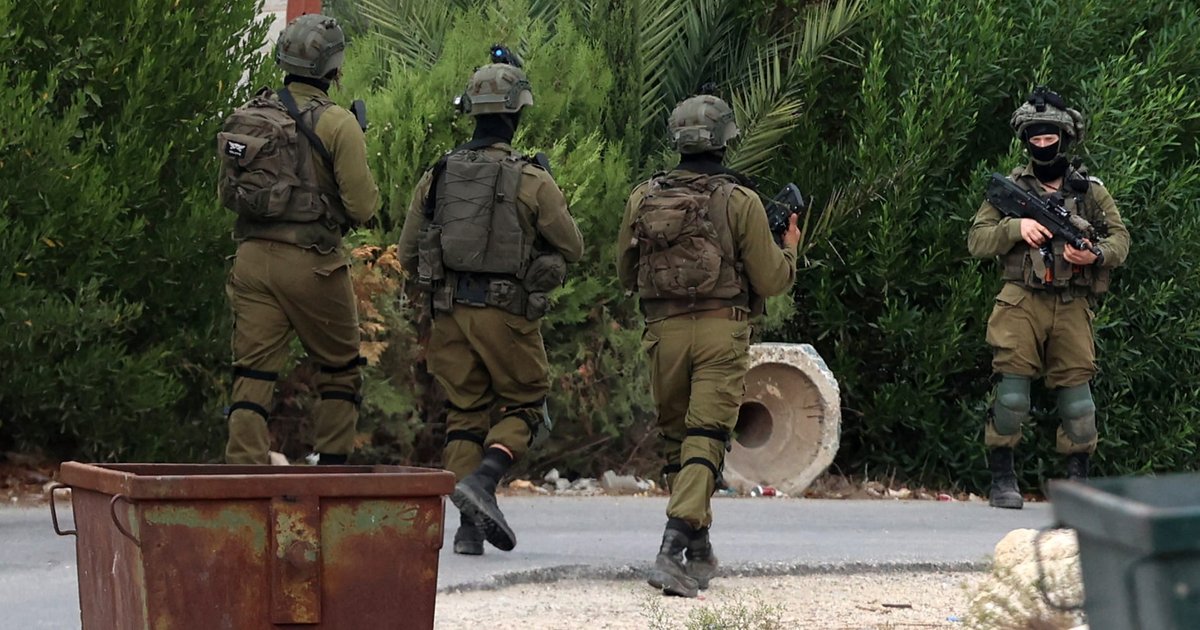
The Israeli army disclosed on Monday that the 'Hashmonaim' Brigade has joined the ongoing aggression against Lebanon, which commenced on March 2 of this year. A statement from the army indicated that the brigade's soldiers executed airstrikes in southern Lebanon, targeting multiple regions over the past few weeks.
It is noteworthy that the 'Hashmonaim' Brigade comprises soldiers who previously participated in military operations in several areas such as Syria, the West Bank, and Gaza Strip, raising concerns among observers about the expansion of Israeli military operations in the region.
Details of Recent Developments
This step by the Israeli army comes in the wake of ongoing escalations between itself and Hezbollah in Lebanon, as the frequency of Israeli airstrikes has noticeably increased recently. These operations coincide with intense military mobilization from both sides, heightening fears of a significant military escalation.
Over the past weeks, military reports have detected substantial movements of the Israeli army along the border and various security gaps on the Lebanese front, which has led to increased combat activity in the region.
Background & Context
Historically, Israeli military operations in Lebanon are intertwined with a deep-rooted conflict that dates back several decades. From the 1982 war to the events of 2006, the conflict between Israel and Hezbollah has remained embedded in a historical dispute that evokes feelings of national and religious significance in the region.
The inclusion of the 'Hashmonaim' Brigade reflects a clear shift in Israeli military strategy. This ongoing military pressure by the Israeli army on Lebanese territory indicates a determination to break any potential opposing forces in the area, whether from Hezbollah or other factions.
Impact & Consequences
The bolstering of Israeli forces in Lebanon could exacerbate security situations, as the international community emphasizes the need for calm and restoring stability. With the continued escalation, this may manifest in increased displacement and humanitarian strains on both sides.
Moreover, these military operations may provoke violent reactions from local parties in Lebanon, which could result in a resurgence of resistance movements, signaling a potential increase in the intensity of the conflict and its broader scope.
Regional Significance
The repercussions of these military operations extend beyond Lebanon, impacting the entirety of the region. Concerns grow regarding the spillover of the conflict into neighboring countries, threatening the aspects of regional stability and increasing feelings of animosity between various Arab states and Israel.
Additionally, the movements of the Israeli army complicate the situation in the Middle East at a time when Arab nations are seeking peaceful solutions to enhance stability and reconciliation. In this context, the role of the international community remains pivotal in establishing effective mechanisms for achieving lasting peace in the region.
In conclusion, as Israeli military operations deepen, attention remains focused on regional and international responses that could herald new shifts in the course of the conflict.