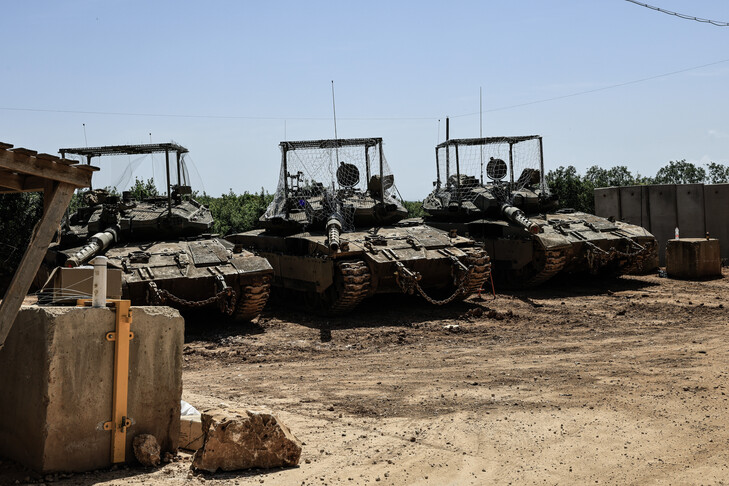
Informed sources have reported that the commander of the Israeli ground forces intends to travel to the United States in the coming days to follow up on military purchases related to the growing threat posed by drones. This move comes after a series of drone attacks carried out by Hezbollah, which targeted Israeli military sites, raising serious concerns in Tel Aviv.
This step is part of a broader Israeli strategy to confront the increasing security challenges in the region, as Hezbollah's capabilities in using drones are on the rise, necessitating urgent updates and developments in the Israeli military's defensive capabilities.
Details of the Event
Israel is seeking to enhance its military capabilities to counter the escalating threats from Hezbollah, which is considered one of the primary adversaries in the region. Recent reports indicate that the recent drone attacks have caused damage to some military sites, prompting the Israeli army to consider strengthening its air defenses.
The upcoming visit of the Israeli ground forces commander to the United States will include discussions on purchasing advanced air defense systems, as well as sharing intelligence regarding potential threats. This move is believed to help improve Israel's response level to any future attacks.
Background & Context
Historically, Israeli-American relations have seen close military cooperation, with the United States being one of Israel's foremost supporters in facing regional threats. American military aid has significantly enhanced the capabilities of the Israeli army, making it one of the strongest militaries in the region.
In recent years, tensions between Israel and Hezbollah have escalated, particularly following the increase in the party's military activities in Lebanon. Hezbollah is considered a significant military force, possessing a stockpile of advanced weapons, including drones, complicating the security situation in the region.
Impact & Consequences
Analyses suggest that enhancing military cooperation between Israel and the United States could lead to a shift in the balance of power in the region. If Israel succeeds in bolstering its defensive capabilities, it may be able to deter any future attacks from Hezbollah or other armed groups.
However, this move could also escalate tensions in the region, as it may be perceived as a provocation by Hezbollah, increasing the likelihood of new military confrontations.
Regional Significance
These developments are of great importance to the Arab region, reflecting the ongoing tensions between Israel and Hezbollah. The enhancement of Israeli military capabilities could also impact neighboring countries, prompting them to reassess their security strategies.
At the same time, Arab nations must be aware of these developments, as they could affect the overall stability of the region. Arab cooperation in facing common threats may be essential for maintaining regional security.