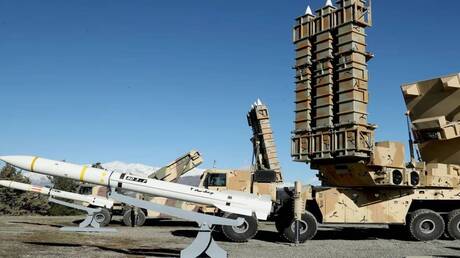
On Saturday, the Israeli army detected a missile launch from Yemen, successfully intercepting it with their air defense systems. This incident comes at a time when fears are growing regarding escalating tensions between Israel and neighboring countries, particularly given the volatile situation in the Middle East.
The Israeli army did not provide additional details about the type of missile or its launch location, but this incident raises questions about the military capabilities possessed by armed groups in Yemen, which could impact regional security.
Details of the Incident
In an official statement, the Israeli army confirmed that its air defense systems successfully intercepted the missile, reflecting the effectiveness of these systems in countering threats. The missile was launched late at night, making the interception process more challenging, but Israeli forces demonstrated their competence in dealing with such threats.
This incident is part of a series of events in the region, where missile attacks by armed groups in Yemen have increased, increasingly targeting Israeli territory. These attacks are part of the ongoing conflict between Iran-backed Houthi rebels and Israel, complicating the security situation in the area.
Background & Context
The Middle East has been experiencing escalating tensions for years, with regional conflicts intertwining with political and economic crises. Yemen, which has been embroiled in a civil war since 2015, has become a battleground between Iran-backed Houthis and the internationally recognized Yemeni government, supported by a Saudi-led Arab coalition.
In recent years, the Houthis have utilized missiles and drones as a means to attack targets in Saudi Arabia and Israel, reflecting the evolution of their military capabilities. These events indicate that the conflict in Yemen has broader implications for regional security, including direct threats to Israel.
Impact & Consequences
This incident raises new concerns regarding security in Israel, as increasing missile attacks could lead to greater military escalation in the region. Additionally, these events may affect relations between Israel and Arab countries, especially in light of the normalization attempts witnessed in recent years.
These tensions may lead to increased Israeli military support for defensive operations, potentially contributing to further escalation in the region. Any military response from Israel could provoke reactions from the Houthis, complicating the security situation even further.
Regional Significance
This incident serves as an indicator of rising security threats in the region, with growing concerns that regional conflicts could have negative impacts on neighboring countries. Given the difficult economic conditions faced by many Arab nations, these tensions could exacerbate humanitarian and political crises.
Moreover, these events could hinder peace efforts in the region, potentially obstructing any attempts to reach lasting solutions to ongoing conflicts. It is crucial for Arab nations to collaborate in addressing these security challenges and work towards achieving stability in the region.
In conclusion, this incident underscores the importance of enhancing defensive systems in the face of rising threats and highlights the need for comprehensive political solutions to address the crises in the region.