The Israeli army has announced that it successfully killed three fighters from Hamas, including a military commander, during military operations in the Gaza Strip. The army clarified that the mentioned commander had infiltrated Israeli territory during the attacks that occurred on October 7, 2023. It also noted that the other casualties included a squad leader and an operative in Hamas's military intelligence unit, but did not specify the location or time of their deaths.
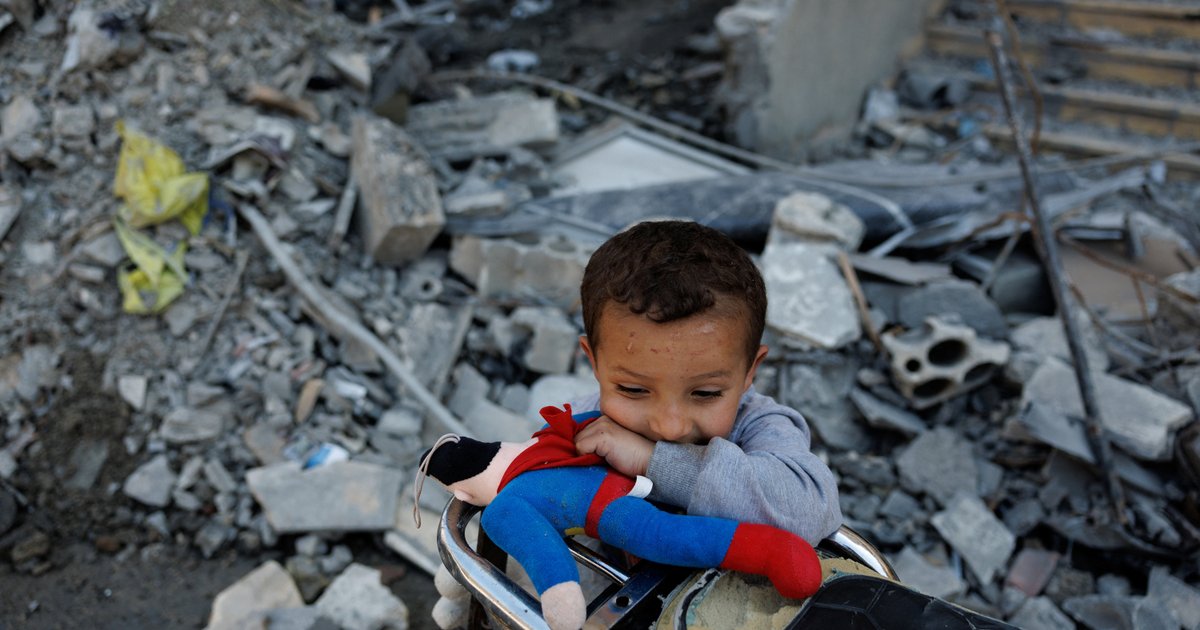
In related news, health authorities in the Gaza Strip reported that the number of Palestinian casualties since the start of the Israeli war in October 2023 has surpassed 72,585, with the vast majority of victims being women and children. This figure reflects the devastating impact of the war on civilians in Gaza, where Israeli attacks continue to escalate.
Details of the Incident
These developments come at a highly sensitive time, as international pressure on Israel to halt military operations in Gaza is increasing. Recent days have seen an escalation in Israeli attacks, leading to a deterioration of the humanitarian situation in the region. Reports indicate that more than 809 Palestinians have been killed since the "ceasefire" agreement reached in October of last year, raising concerns about the ongoing violence in the area.
These operations are part of a broader Israeli strategy aimed at dismantling Hamas's military infrastructure, but they come amid rising international criticism regarding the excessive use of force against civilians. Human rights organizations have called for investigations into potential human rights violations that may arise from these operations.
Background & Context
The history of the conflict between Israel and Hamas spans several decades, with the region witnessing numerous wars and conflicts. Since 2007, when Hamas took control of the Gaza Strip, the area has become a theater for escalating tensions between the two sides. Repeated wars have led to widespread destruction of infrastructure in Gaza, exacerbating the humanitarian situation.
In recent years, the region has experienced an escalation of violence, particularly following the attacks that occurred in October 2023, which were considered among the worst in the history of the conflict. This escalation has elicited varied international reactions, with some countries calling for a ceasefire while others supported Israel's right to defend itself.
Impact & Consequences
Recent events underscore the continuation of the cycle of violence in the region, complicating peace efforts. The ongoing military operations by Israel may worsen the humanitarian conditions in Gaza and increase civilian suffering. Furthermore, the military escalation could affect relations between Israel and Arab countries, as pressures mount on Arab governments to intervene or take a firmer stance against Israel.
Moreover, these events could impact regional stability, as extremist groups may exploit the situation to expand their influence. The continuation of violence could lead to a greater escalation in the region, threatening both regional and international security.
Regional Significance
Considering the regional dimensions of the conflict, the events in Gaza directly affect neighboring Arab countries. The increasing number of Palestinian casualties may lead to waves of protests in Arab nations, intensifying pressures on governments to address the Palestinian issue more seriously. Additionally, the situation in Gaza may influence relations between Arab countries and Israel, especially in light of normalization attempts seen in the region in recent years.
In conclusion, the situation in Gaza remains under scrutiny, with growing fears of worsening humanitarian conditions. The continuation of violence could have dire consequences for civilians and complicate peace efforts in the region.